History and Critical Analysis


The Edible Idol of Empire – Part 2: The Machinery Behind the Moral Language
·1075 words·6 mins
Institutions at the edge of force

The Edible Idol of Empire
·255 words·2 mins
This three-part series examines how the United States turned democracy from a political principle into the moral packaging of imperial power. It traces the machinery beneath that language—institutions, law, finance, and force—and shows how these structures sustained hierarchy while preserving the image of universal order. It concludes by arguing that Trump did not create this contradiction, but exposed it by openly consuming the very myth America once sold to the world.


The Invisible Hegemon: Deciphering the Architecture of Global Control
·464 words·3 mins
Deciphering the Architecture of Global Control, provides a critical investigation into how the concepts of development and globalization have been utilized as strategic tools for United States hegemony and world domination. Drawing from the analytical framework of Henry Veltmeyer, the series challenges the conventional narrative of global progress, framing it instead as a sophisticated system of imperial extraction and political containment

The Invisible Hegemon – Part 2: From Market Orthodoxy to the Iron Fist
·747 words·4 mins
The transition from economic policy to military force.


The Unfinished Conquest: How Colonialism Remade Africa
·355 words·2 mins
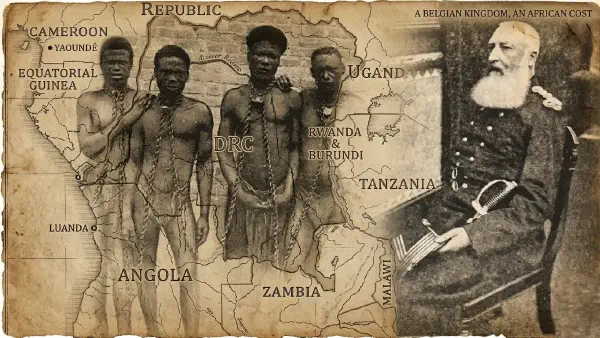
Explore the rapid conquest of Africa by European powers between 1880 and 1914, the brutal exploitation that followed, and the persistent legacies that continue to shape the continent.

The Architecture of Authenticity: Global Trade in the 9th Century
·197 words·1 min
Al-Jahiz's 9th-century treatise on trade reveals a world where merchants verified authenticity through taste, touch, and smell — a forensic economy that predates modern supply chains by a millennium.