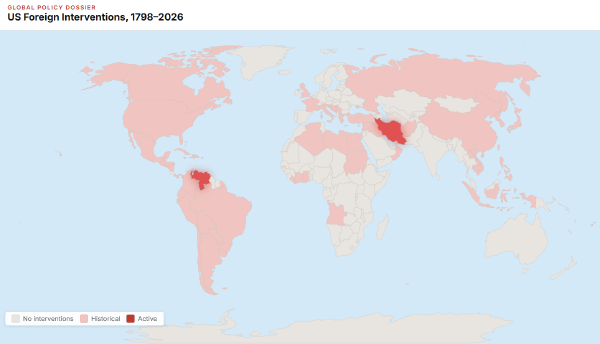
US Military and Clandestine Operations in Foreign Countries1 July 2026·2627 words·13 minsHistory and Critical Analysis US Foreign Policy Imperialism Geopolitics Political Economy Critical HistoryUS military and clandestine operations in foreign countries
Two Hundred and Fifty Years of Spreading Freedom1 July 2026·606 words·3 minsHistory and Critical Analysis US Foreign Policy Imperialism Geopolitics Political Economy Critical History250 years of spreading freedom by the United States
The Aleo - Part 10: The Broken Stick21 June 2026·1850 words·9 minsHistory and Critical Analysis Colonialism Crusades Medieval HistoryThe long, glittering ascent and final collapse of the House of Vila Real, ending in beheadings and the symbolic destruction of the aleo.
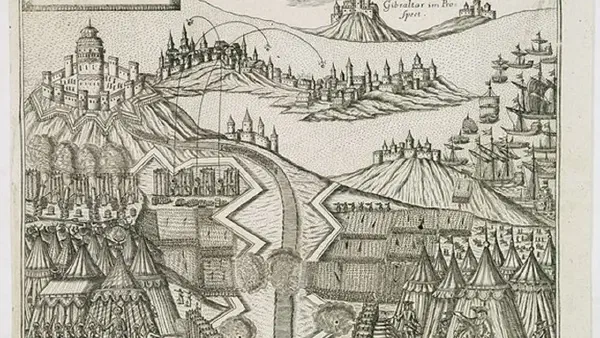
The Aleo - Part 9: The Day He Rode Out19 June 2026·2213 words·11 minsHistory and Critical Analysis Colonialism Crusades Medieval HistoryThe 1419 siege of Ceuta, where Pedro de Meneses faced overwhelming Marinid and Granadan forces with a desperate, offensive gamble.
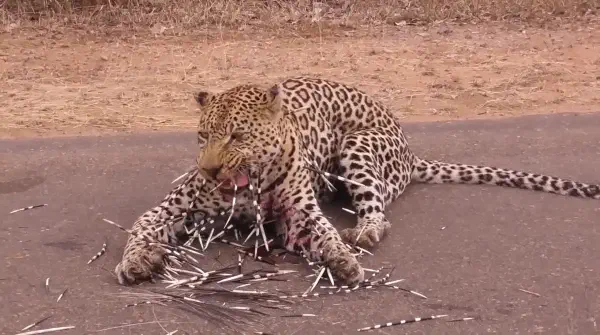
Operation Porcupine: How "Roaring Lion" ended with quills in its face19 June 2026·1596 words·8 minsHistory and Critical Analysis History War TrumpAssessing the 2026 peace agreement between the United States and Iran.
The Aleo - Part 8: Exiles of Tétouan17 June 2026·1797 words·9 minsHistory and Critical Analysis Colonialism Crusades Medieval HistoryThe story of the thousands who fled the fall of Ceuta to rebuild their lives and plan their revenge in the ruins of Tétouan.
The Aleo - Part 7: The Warlord's Ledger15 June 2026·1611 words·8 minsHistory and Critical Analysis Colonialism Crusades Medieval HistoryHow Pedro de Meneses turned a strategic outpost into a profitable enterprise through the right of the fifth, privateering, and ransom negotiations.
The Aleo - Part 6: The Aleo and the Gambit13 June 2026·1855 words·9 minsHistory and Critical Analysis Colonialism Crusades Medieval HistoryThe moment of decision when Pedro de Meneses, a landless noble and son of traitors, accepted the governorship of Ceuta when all others refused.
The Aleo - Part 5: The Garrison of Ghosts11 June 2026·1830 words·9 minsHistory and Critical Analysis Colonialism Crusades Medieval HistoryA look at the grim reality of life in occupied Ceuta, where a small garrison faced disease, hunger, and constant pressure from the continent.
The Aleo - Part 4: Financing a Crusade in Secret9 June 2026·1774 words·9 minsHistory and Critical Analysis Colonialism Crusades Medieval HistoryThe secret financing of the Portuguese armada through a web of private loans and international misdirection, bypassing the public scrutiny of the Cortes.