The Unbreakable Myth – Part 1: The Aluminum Improvisation10 April 2020·745 words·4 minsHistory and Critical Analysis Historical Case Studies Design and Innovation Military and Logistics Consumer PsychologyHow post-war scarcity and a surplus of aircraft aluminum accidentally created an automotive icon.
The Master and the Machine - Part 3: The Architect of Silence: Disdain and the Suppression of Agency19 December 2019·522 words·3 minsHistory and Critical Analysis Ethnic Hierarchy Authoritarianism Civil Society Resistance Mohamed Ali Pasha Historical Case Studies Military and Logistics Policy and Critique Development and InequalityExploring the ethnic hierarchies and suppression of civil leadership that defined Mohamed Ali's reign.
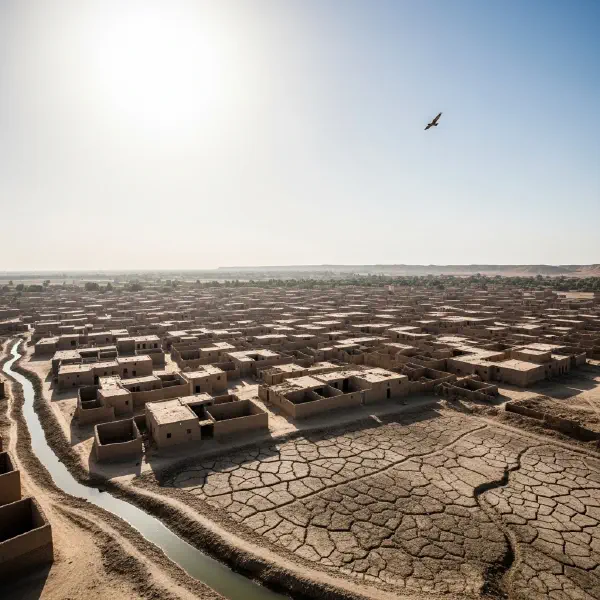
The Master and the Machine - Part 2: The First Colony: The Systematic Extraction of Upper Egypt18 December 2019·529 words·3 minsHistory and Critical Analysis Upper Egypt Sa'id Monopoly Economic Extraction Regional Inequality Historical Case Studies Military and Logistics Policy and Critique Development and InequalityHow Upper Egypt was transformed into an extraction zone to fund Mohamed Ali's dynastic ambitions.
The Master and the Machine: Mohamed Ali’s Brutal Blueprint for Egypt17 December 2019·254 words·2 minsHistory and Critical Analysis Egypt Mohamed Ali Pasha State-Building Industrialization Authoritarianism Sa'id Historical Case Studies Military and Logistics Policy and Critique Development and Inequality Political EconomyA historical analysis of Mohamed Ali Pasha's industrialization and state-building in Egypt, examining the human cost of his brutal 'New Order' and the systematic extraction of Upper Egypt.
The Master and the Machine - Part 1: The Blood of the Fallaheen: Conscription as Dehumanization17 December 2019·620 words·3 minsHistory and Critical Analysis Conscription Nizam Jadid Social Control Egyptian History Human Rights Historical Case Studies Military and Logistics Policy and Critique Development and InequalityHow Mohamed Ali's military reforms began with the literal breaking of his people's bodies.
The Road to Fracture - Part 3: Coupled with Risk: Assessing the Durability of Steel Railway Connectors4 December 2019·689 words·4 minsHistory and Critical Analysis Railway Connectors Fatigue Probabilistic Design Heavy Transit Engineering Historical Case Studies Design and Innovation Systems Thinking Policy and CritiqueProbabilistic assessment of fatigue durability in steel railway couplings under variable service conditions.
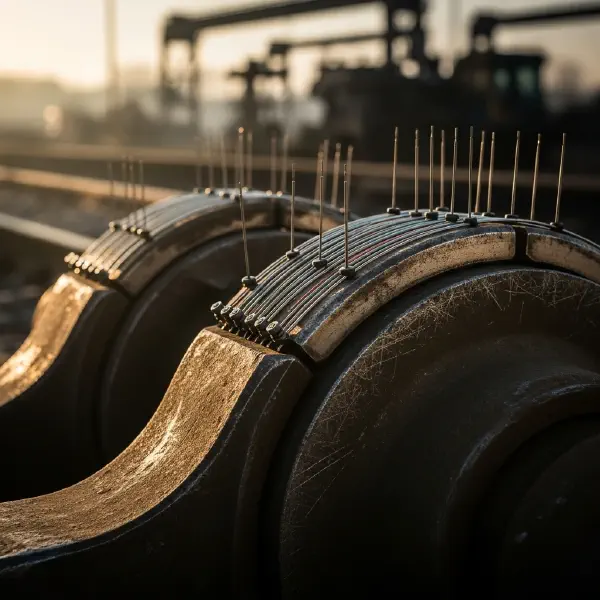
The Road to Fracture - Part 2: The Torsional Tax: Why Heavy Axles Fail Under Improper Handling3 December 2019·684 words·4 minsHistory and Critical Analysis Torsional Failure Axles Casting Defects Heavy Transit Engineering Historical Case Studies Design and Innovation Systems Thinking Policy and CritiqueAnalysis of torsional failures in heavy truck axles due to manufacturing defects and handling issues.
The Road to Fracture: Structural Integrity in Heavy Transit2 December 2019·286 words·2 minsHistory and Critical Analysis Engineering Failure-Analysis Structural Integrity Heavy Transit Fatigue Historical Case Studies Design and Innovation Systems Thinking Policy and CritiqueAn examination of structural failures in heavy transport systems, from automotive chassis to railway couplings.
The Road to Fracture - Part 1: Cut-Edge Calculus: Preventing Fatigue in High-Strength Steel Chassis2 December 2019·666 words·4 minsHistory and Critical Analysis Fatigue Steel Chassis Manufacturing Structural Integrity Engineering Historical Case Studies Design and Innovation Systems Thinking Policy and CritiqueHow manufacturing processes affect the fatigue life of high-strength steel chassis components.
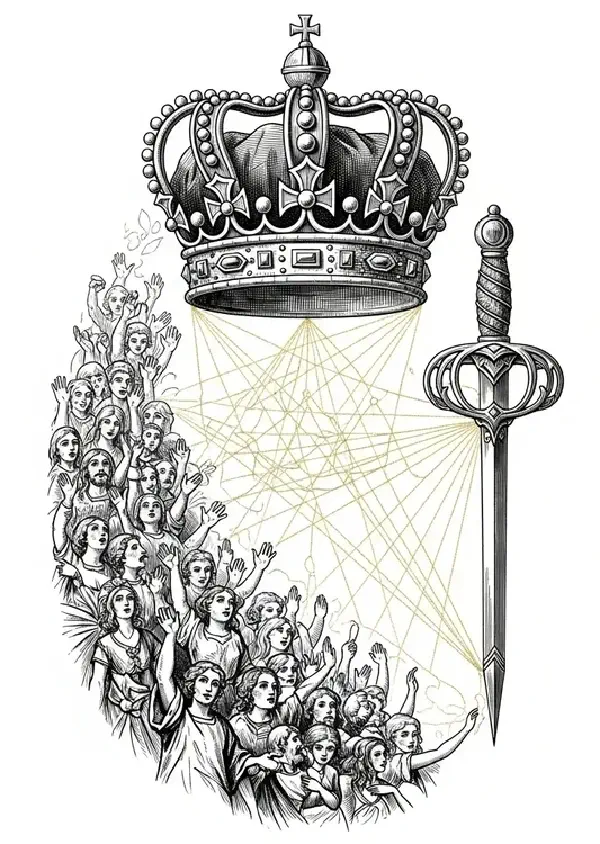
The Friction of Force: Clausewitz and the Architecture of Modern War - Part 5: The Politician’s Sword: Reintegrating Violence into Statecraft18 November 2019·612 words·3 minsHistory and Critical Analysis Clausewitz War Theory Military-Strategy Political Violence Strategic Thinking Military and Logistics Leadership and Crisis Decision-Making and Bias Historical Case StudiesHow Clausewitz viewed war as a political instrument, subordinate to governmental objectives and policy.