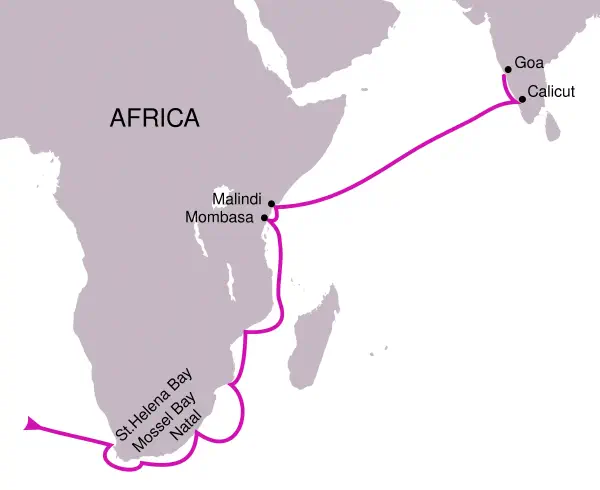
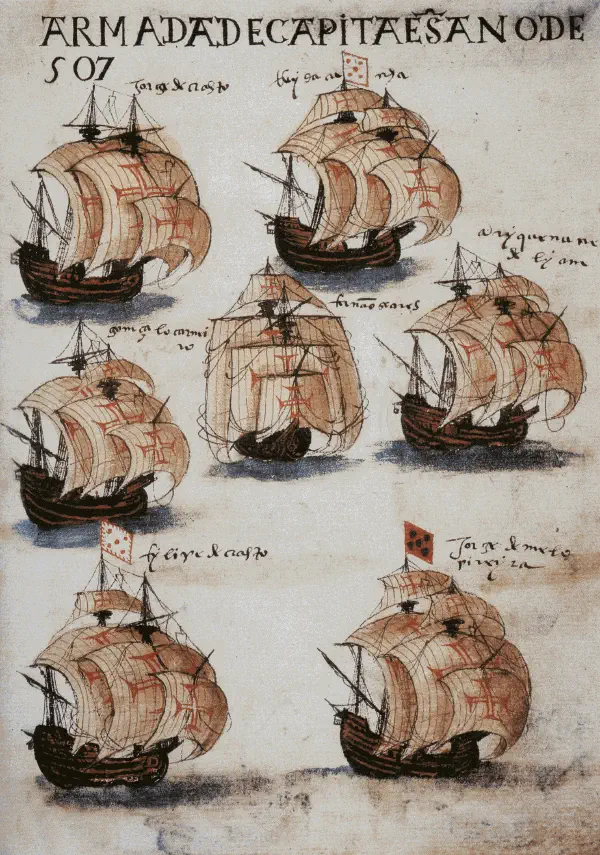
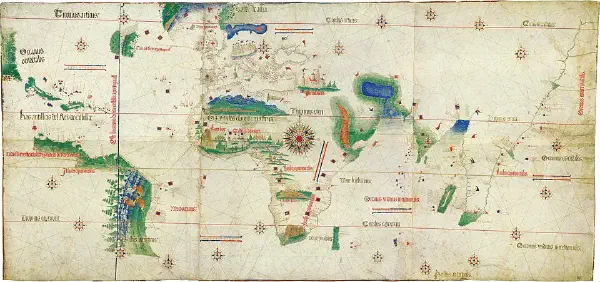
A peppercorn bought in Calicut for three cruzados sold in Antwerp for fifty. How Portugal collapsed a three-thousand-year supply chain and remade European commerce.
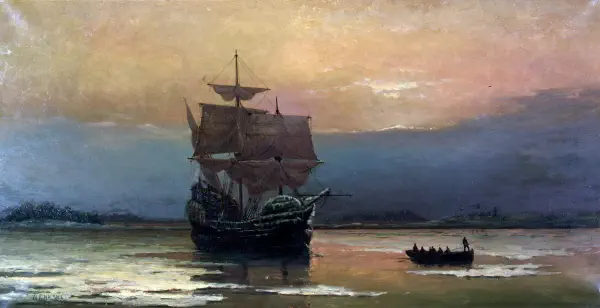
The first British Empire was held together not only by ships and finance, but by a shared Protestant identity. Puritans to Massachusetts, Huguenots to the City of London, Scots-Irish to the colonial backcountry: the religious migrations that populated an Atlantic world.
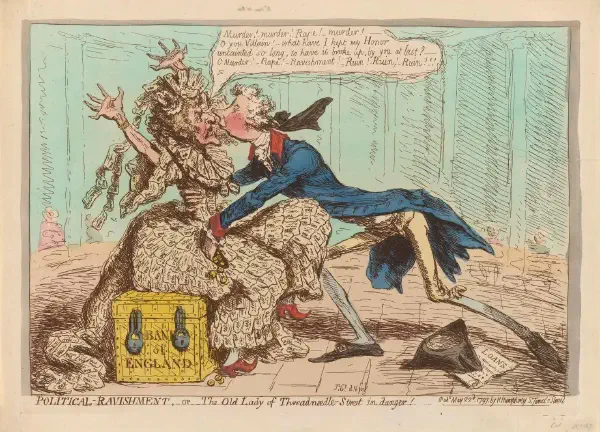
Before the redcoats and the frigates, there were ledgers. The Navigation Acts, the Bank of England, bills of exchange drawn on Bengali merchants, and admiralty courts that enforced contracts across oceanic distances. How paper knitted the British world together.
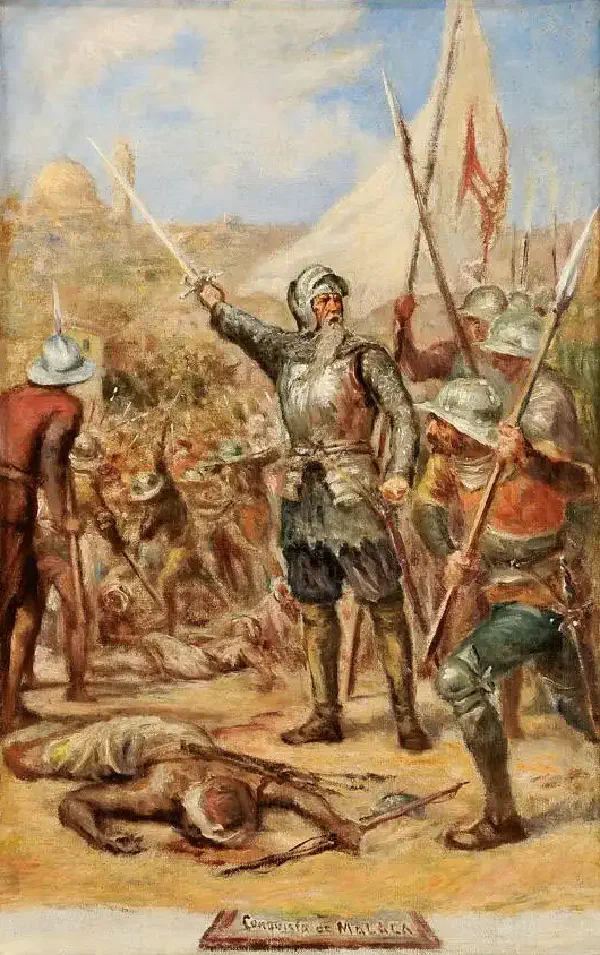
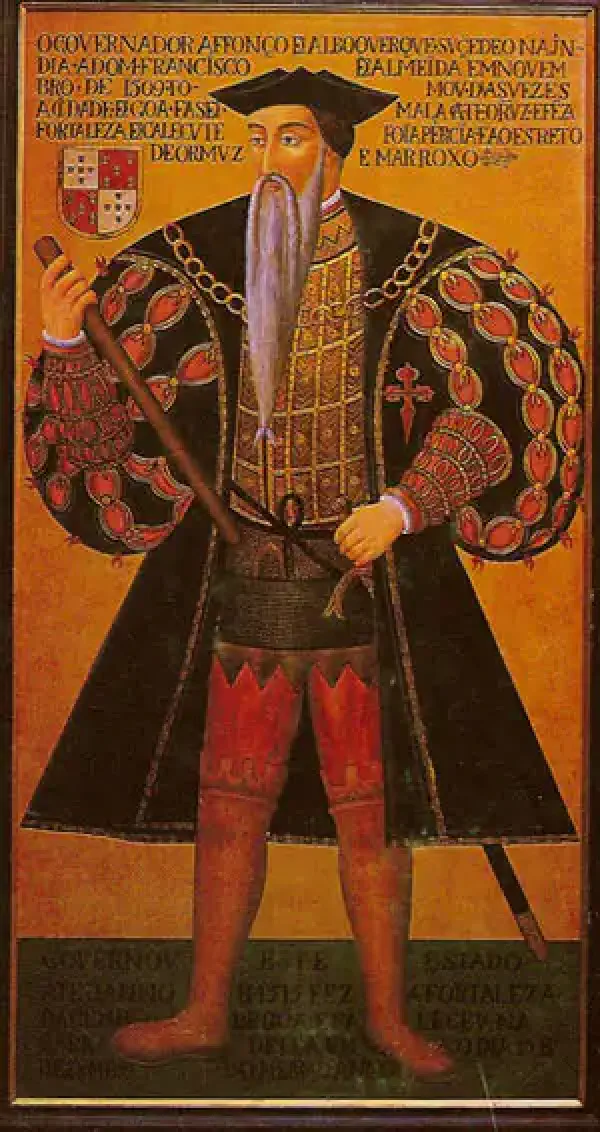
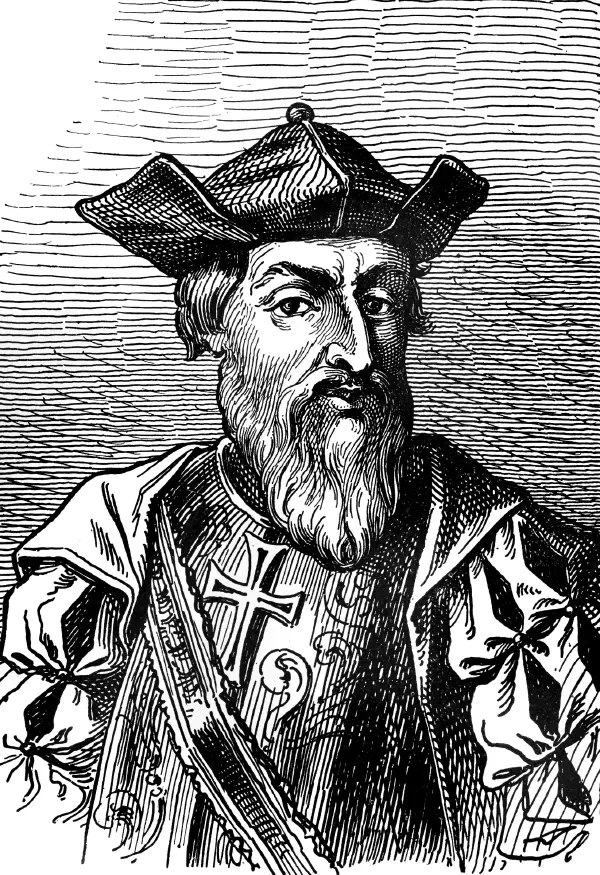
Cabral's fleet came to trade. When the factory burned and fifty-three men were killed, it returned to bombard Calicut. How the Portuguese turned commerce into conquest.
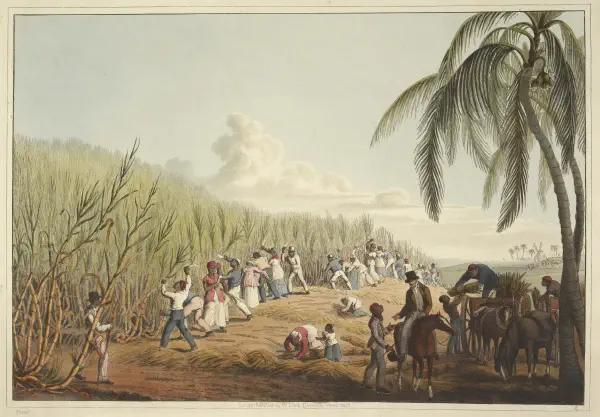
In 1700, Barbados generated more wealth for England than all of North America combined. The Caribbean sugar economy was the empire's true engine—and it ran on enslaved African labour at a mortality rate that made replacement cheaper than sustaining a population.
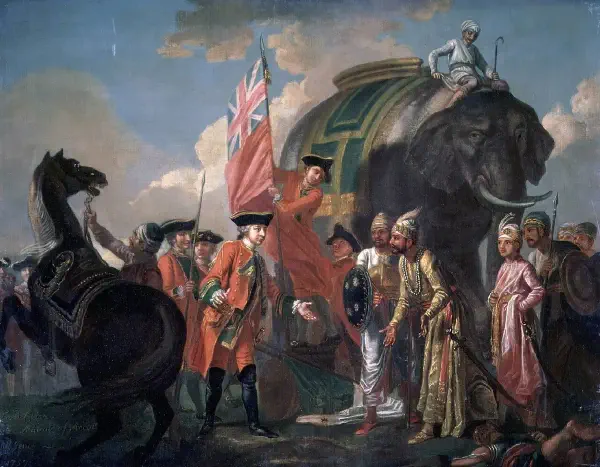
How a London joint-stock company founded to trade pepper ended up ruling the richest province of Mughal India. The East India Company's trajectory from warehouse to taxman, and the corporate sovereign that Edmund Burke and Adam Smith could not quite categorise.