Series Overview
#History is littered with grand ambitions, hyper-calibrated operational plans, and supreme imperial declarations that dissolved into utter absurdity. Yet, the most instructive disasters are not those involving catastrophic body counts or apocalyptic warfare, but the bloodless, bizarre operational breakdowns where complex human systems collided head-on with unyielding baseline realities.
This four-part series investigates four historical episodes where elite leadership, premature technological standardization, authoritarian censorship, and environmental decay produced spectacular systemic failures—where nobody died, but everything went wrong.
Series Architecture
#| Item | Title | Rationale & Focus |
|---|
| Post 1 | The Leporidae Triumph: Napoleon Bonaparte and the Battle of the Bunnies | Leadership and Cognitive Bias: Evaluates how elite assumptions of absolute authority and outsourced logistics blind leaders to baseline operational realities. |
| Post 2 | The Orthographic Collision: The Great Vowel Shift and the Fragmentation of English Spelling | Systems History and Technology: Examines the systemic failure of English spelling, frozen mid-evolution by the rapid commercialization of the printing press. |
| Post 3 | The Silent Gallows: Domenico Fontana and the Physics of the Vatican Obelisk | Operational Systems and Tension: Explains how rigid authoritarian censorship during a high-stakes engineering feat created a system-wide failure point, only averted by frontline insubordination. |
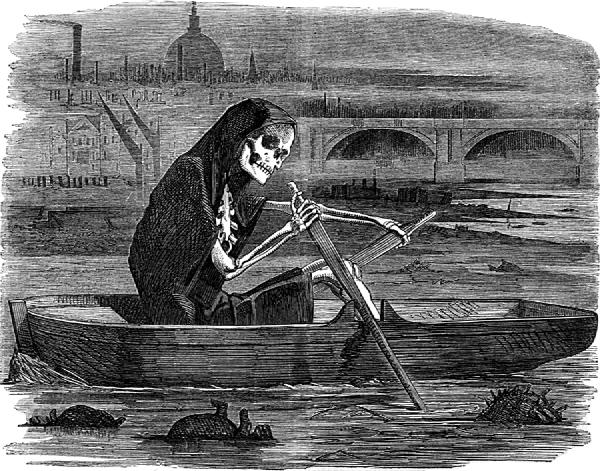
| Post 4 | The Great Stink of 1858: How Olfactory Trauma Forced London's Engineering Renaissance | Disaster Analysis and Policy: Details how an unavoidable public health crisis overcame decades of political inertia to build the world's most sophisticated subterranean infrastructure. |
References
#- Bazalgette, J. W. (1865). On the Metropolitan System of Drainage, and the Interception of the Sewage from the River Thames. Minutes of the Proceedings of the Institution of Civil Engineers, 24(1865), 280-313.
- Clodd, E. (1892). The Story of Creation: A Plain Account of Evolution. Longmans, Green, and Co.
- Crystal, D. (2018). The Story of English in 100 Words. St. Martin's Press.
- Dobraszczyk, P. (2014). London's Sewers. Shire Publications.
- Fontana, D. (1590). Della Trasportatione dell'Obelisco Vaticano et delle Fabriche di Nostro Signore Papa Sisto V. Appresso Domenico Basa.
- Hall, J. (1994). The Great Stink of London: Sir Joseph Bazalgette and the Cleansing of the Victorian Metropolis. Sutton Publishing.
- Millard, A. (2005). The Great Obelisk Relocation: Engineering, Ritual, and Authority in Sixtus V's Rome. Journal of Renaissance Studies, 19(3), 345-368.
- Pakenham, T. (2001). The Scramble for Africa: White Man's Conquest of the Dark Continent from 1876 to 1912. Avon Books.
- Salmon, V. (1999). The Spelling Reformers of the Sixteenth Century and the Printing Press. Language and History, 42(2), 112-124.
- Soyer, A. (1853). The Pantropheon; or, History of Food and its Preparation. Ticknor, Reed, and Fields.