Series Overview
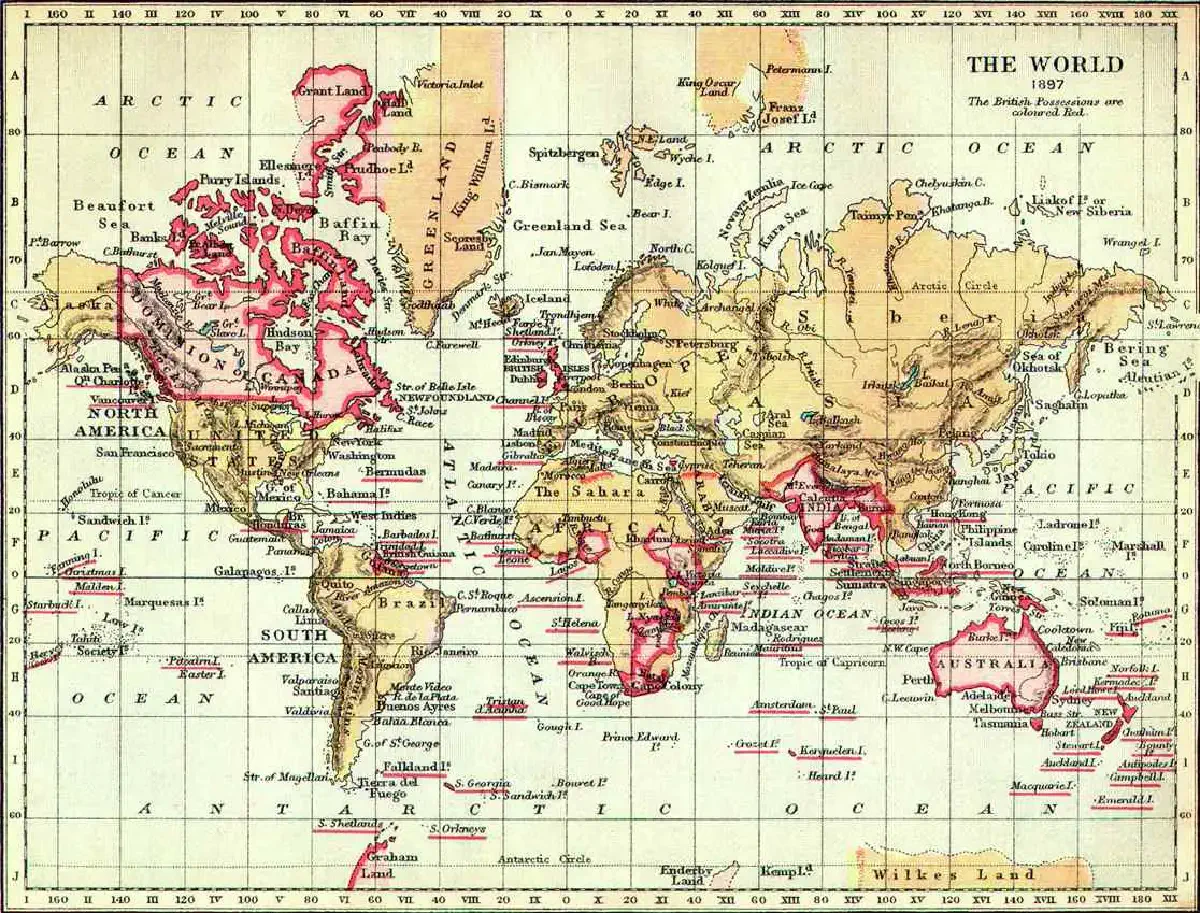
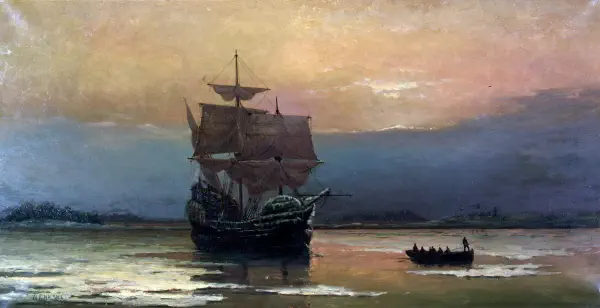
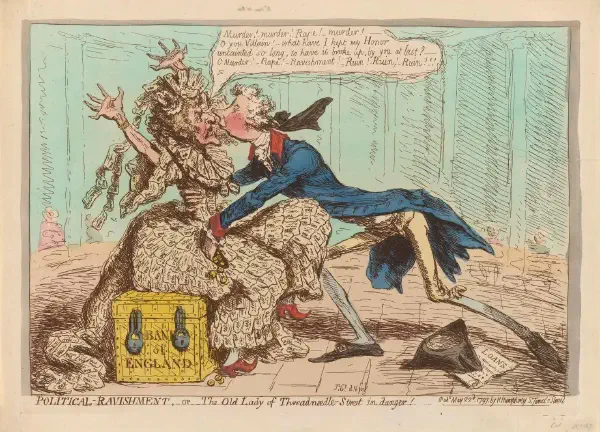
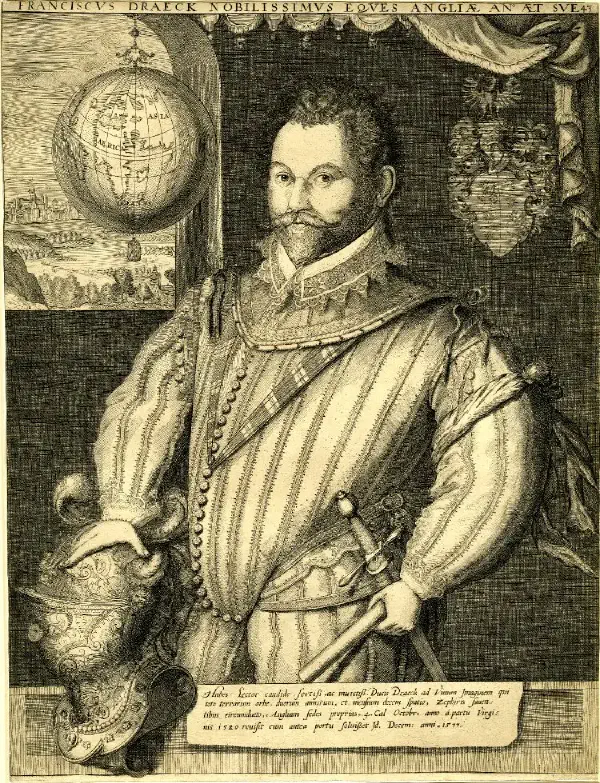
#Nobody planned the British Empire. It grew from piracy, providence and commercial opportunism, each generation inheriting an improvised structure they did not design and enlarging it for reasons their predecessors would not have recognised. The Elizabethan privateers who chased Spanish treasure ships were not building an empire; they were filling the Crown's coffers and their own. The merchants who chartered the East India Company in 1600 were looking for pepper; they ended up with Bengal. The Puritan settlers who sailed for Massachusetts Bay were building a city upon a hill, not the demographic foundation of an Atlantic empire. And the Treasury officials who devised the Bank of England and the national debt were solving a war-finance problem; they inadvertently created the most powerful credit machine in history.
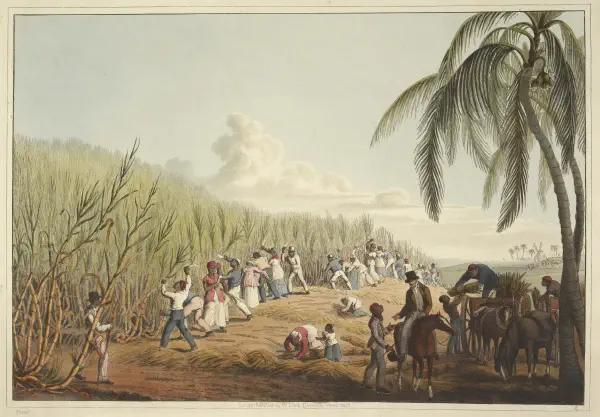
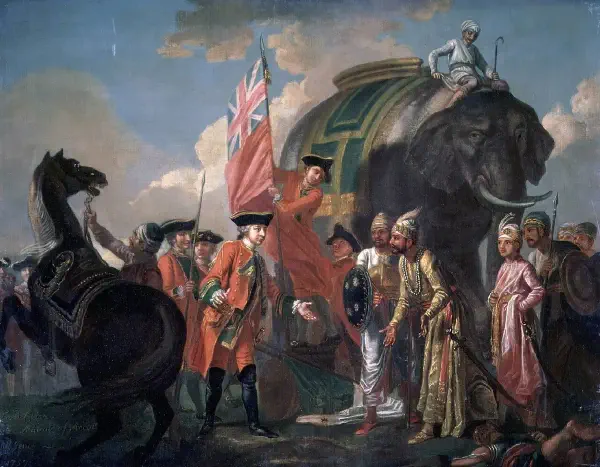
This six-part series traces the formation of the British Empire from the Elizabethan era to the end of the Napoleonic Wars. Each article examines a different mechanism of imperial power: the violence and ideology of Elizabethan expansion; the corporate logic of the East India Company; the plantation economy of the Caribbean and the slave trade that fuelled it; the financial and legal paper infrastructure that bound the imperial world together; the confessional identity of a Protestant empire that stretched from New England to Bengal; and the long aftermath of an empire that dissolved into institutions rather than disappearing. The argument running through all six is that the British Empire was not a coherent project but a system, one that generated patterns of power almost independently of the intentions of its individual actors.
Series at a Glance
#| Part | Title | Core Question |
|---|
| 1 | Pirates, Protestants and Plantations | Why did the Elizabethan era produce an imperial ideology before it produced a single permanent colony? |
| 2 | The Company That Owned a Continent | How did a London joint-stock company become the government of a subcontinent? |
| 3 | The Sugar Engine | Why were the tiny Caribbean islands, not the vast North American mainland, the economic core of the 18th-century empire? |
| 4 | The Paper Empire | How did bills of exchange, national debt and admiralty courts hold the empire together across oceanic distances? |
| 5 | The Protestant Internationale | How did a shared religious identity knit together English dissenters, French Huguenots and Scots-Irish Presbyterians into a single Atlantic world? |
| 6 | Empire Without End? | What did the making of the British Empire leave behind, and what does it tell us about how power works? |
The Shape of the Argument
#The standard story of British imperial expansion runs from sea power to settlement to sovereignty: ships, then forts, then flags. This series tells a different story. The empire's most durable structures were not territorial but institutional. The bond market that financed the Seven Years' War was more decisive than any battle. The bills of exchange that connected a Calcutta merchant to a London counting house were more important to imperial coherence than the Bengal infantry. The Protestant migrations that sent 20,000 Puritans to New England in a single decade created a demographic and ideological foundation that no fleet could have laid.
The series is also an argument about contingency. The British Empire was not inevitable. At any number of turning points, a different outcome was possible: Spain's Armada could have succeeded; the East India Company could have been wound up after its first bankruptcy scare; the American colonies might never have revolted, or might have revolted successfully enough to take Canada with them. That the empire grew as it did was the result of specific decisions, specific accidents and specific financial innovations that compounded over generations. Understanding those contingencies is more interesting, and more useful, than treating the empire as the inevitable product of British character or geographic destiny.
References
#- Andrews, K. R. (1964). Elizabethan privateering: English privateering during the Spanish War, 1585–1603. Cambridge University Press.
- Canny, N. (1988). Kingdom and colony: Ireland in the Atlantic world, 1560–1800. Johns Hopkins University Press.
- Chaudhuri, K. N. (1978). The trading world of Asia and the English East India Company, 1660–1760. Cambridge University Press.
- Bowen, H. V. (2006). The business of empire: The East India Company and imperial Britain, 1756–1833. Cambridge University Press.
- Smith, A. (1976). An inquiry into the nature and causes of the wealth of nations (R. H. Campbell & A. S. Skinner, Eds.). Oxford University Press. (Original work published 1776)
- Williams, E. (1944). Capitalism and slavery. University of North Carolina Press.
- Dunn, R. S. (1972). Sugar and slaves: The rise of the planter class in the English West Indies, 1624–1713. University of North Carolina Press.
- Eltis, D., & Richardson, D. (2010). Atlas of the transatlantic slave trade. Yale University Press.
- Davis, R. (1979). The industrial revolution and British overseas trade. Leicester University Press.
- Homer, S., & Sylla, R. (2005). A history of interest rates (4th ed.). John Wiley & Sons.
- Rodger, N. A. M. (2004). The command of the ocean: A naval history of Britain, 1649–1815. W. W. Norton.
- Fischer, D. H. (1989). Albion’s seed: Four British folkways in America. Oxford University Press.
- Bailyn, B. (1986). The peopling of British North America: An introduction. Vintage Books.
- Kidd, T. S. (2007). The great awakening: The roots of evangelical Christianity in colonial America. Yale University Press.
- Elliott, J. H. (2006). Empires of the Atlantic world: Britain and Spain in America, 1492–1830. Yale University Press.
- Pincus, S. (2009). 1688: The first modern revolution. Yale University Press.
- Peacey, J. (Ed.). (2020). Making the British Empire, 1660–1800. Manchester University Press.
- Maddison, A. (2007). Contours of the world economy, 1–2030 AD: Essays in macro-economic history. Oxford University Press.
- Mitchell, B. R. (2007). International historical statistics: Europe, 1750–2005 (6th ed.). Palgrave Macmillan.
- Ferguson, N. (2003). Empire: How Britain made the modern world. Allen Lane.