The Aleo: The Legend of the Lion of Ceuta, Dom Pedro de Meneses

Series Overview
#

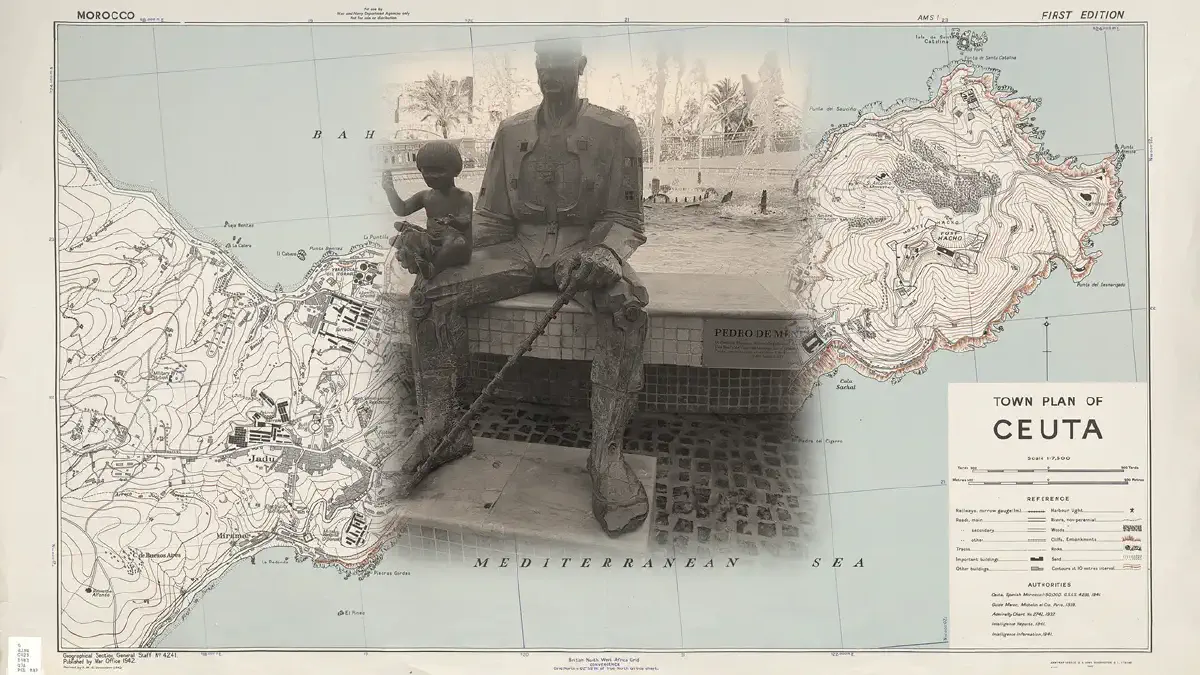
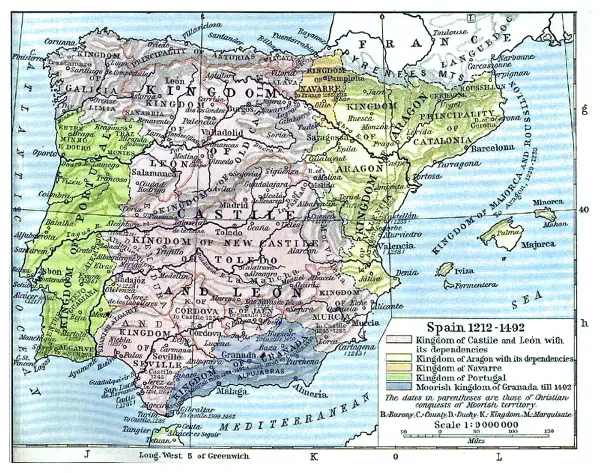
This series of historical narratives traces the extraordinary life of Dom Pedro de Meneses, a disgraced nobleman who rose from the ashes of civil war to become the legendary first governor of Portuguese Ceuta. It begins in the restless court of King John I, where a kingdom starved of war secretly plots an impossible crusade, and follows the meticulous espionage, deceptive diplomacy, and staggering logistical feat that enabled the conquest of the impregnable African fortress in 1415. At the heart of the story is Pedro himself—a landless, marginalized knight carrying nothing but a worn olive-wood gaming stick, the aleo. When every great lord refuses the suicidal task of holding the conquered city, Pedro steps forward and makes his immortal vow: “Lord, I will remain. And with this stick alone, I will defend Ceuta from all its enemies.”

The articles then plunge into the grim reality of the abandoned garrison, a ghost city under permanent siege, where Pedro transforms himself into a warlord. Through legal privateering, cross-border kidnapping for ransom, and cold financial acumen, he builds a vast personal fortune while the crown bleeds money. The narrative captures the human cost on both sides, including the Muslim exiles who found the corsair haven of Tétouan and nurse an undying vendetta. The drama culminates in the devastating Siege of 1419, when a vast Marinid-Granadan army surrounds Ceuta. Outnumbered ten to one, Pedro executes an audacious dawn cavalry charge directly into the enemy camp, shattering the siege, breaking the Marinid sultanate, and cementing his legend as the Lion of Ceuta.

The final chapters trace the dynastic masterpiece Pedro engineers through strategic marriages and a legal majorat, creating the powerful House of Vila Real that rises to the pinnacle of Portuguese nobility. The story then leaps across centuries to reveal the tragic irony of his legacy: the dynasty’s fatal loyalty to Spain, the public beheading of his last heirs in 1641, and the symbolic breaking of the aleo by the new king. The series closes with a reflective coda on memory, empire, and the enduring shadow of the olive-wood stick—a story that survives long after the fortress walls have crumbled and the dynasty has turned to dust.

References
#

  1. Zurara, G. E. de. (2010). The Chronicle of the Discovery and Conquest of Guinea (C. R. Beazley & E. Prestage, Trans.). Cambridge University Press. (Original work published c. 1453–1460)
  2. Anonymous. (2009). A Journal of the First Voyage of Vasco da Gama, 1497–1499 (E. G. Ravenstein, Trans.). Cambridge University Press. (Original work known as the Roteiro da Viagem de Vasco da Gama, c. 1500)
  3. Pires, T. (1944). The Suma Oriental of Tomé Pires: An Account of the East, from the Red Sea to Japan, Written in Malacca and India in 1512–1515 (A. Cortesão, Ed. & Trans.). The Hakluyt Society.
  4. Barbosa, D. (1918–1921). The Book of Duarte Barbosa: An Account of the Countries Bordering on the Indian Ocean and Their Inhabitants, Written Duarte Barbosa, and Completed about the Year 1518 A.D. (M. L. Dames, Ed. & Trans., 2 vols.). The Hakluyt Society.
  5. Correia, G. (1860–1866). Lendas da Índia [Legends of India] (4 vols.). Academia Real das Sciencias de Lisboa. (Original work written c. 1550)
  6. Barros, J. de. (1777–1788). Da Ásia: Dos feitos que os Portugueses fizeram no descobrimento e conquista dos mares e terras do Oriente [Asia: The Deeds of the Portuguese in the Discovery and Conquest of the Seas and Lands of the East] (24 vols.). Regia Officina Typografica. (Original work published in 1552–1563)
  7. Castanheda, F. L. de. (1924–1933). História do descobrimento e conquista da Índia pelos portugueses [History of the Discovery and Conquest of India by the Portuguese] (P. M. Laranjo Coelho, Ed., 9 vols.). Imprensa da Universidade de Coimbra. (Original work published 1551–1561)
  8. Couto, D. do. (1778–1788). Da Ásia: Continuação das Decadas de João de Barros [Asia: Continuation of the Decades of João de Barros] (15 vols.). Regia Officina Typografica. (Original work published 1602–1645)
  9. Boxer, C. R. (1969). The Portuguese Seaborne Empire, 1415–1825. Alfred A. Knopf.
  10. Crowley, R. (2015). Conquerors: How Portugal Forged the First Global Empire. Faber & Faber.
  11. Subrahmanyam, S. (1993). The Portuguese Empire in Asia, 1500–1700: A Political and Economic History. Longman.
  12. Diffie, B. W., & Winius, G. D. (1977). Foundations of the Portuguese Empire, 1415–1580. University of Minnesota Press.
  13. Newitt, M. (2005). A History of Portuguese Overseas Expansion, 1400–1668. Routledge.
  14. Russell-Wood, A. J. R. (1998). The Portuguese Empire, 1415–1808: A World on the Move. Johns Hopkins University Press.
  15. Disney, A. R. (2009). A History of Portugal and the Portuguese Empire: From Beginnings to 1807 (2 vols.). Cambridge University Press.