Series Overview
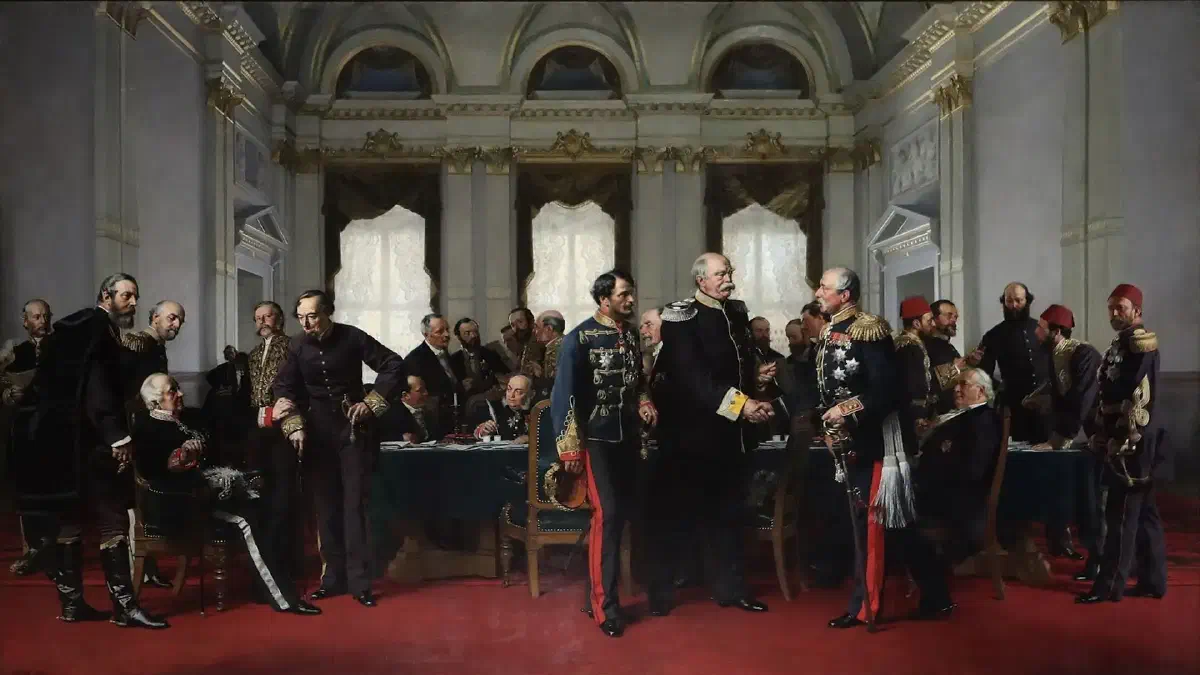
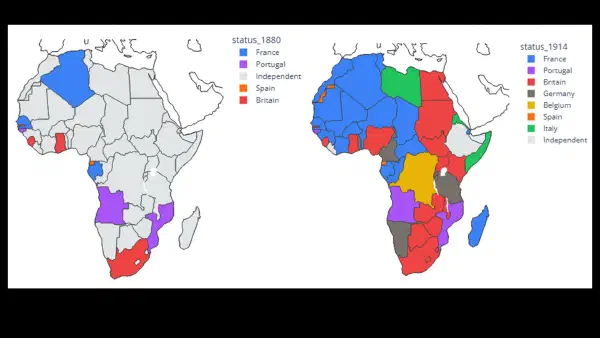
#The partition, conquest, and colonisation of Africa in the late nineteenth and early twentieth centuries was one of the most rapid and violent geopolitical shifts in modern history. In 1880, some eighty per cent of the continent was self-governing; by 1914, European powers had redrawn the map into approximately forty artificial dependencies. This five-part narrative series examines the economic engines that drove this conquest and the structural mechanisms that locked the continent into a system of long-term dependency. Rather than a civilising mission or a quest for national prestige, the scramble for Africa was primarily an exercise in resource extraction and market capture, designed to resolve Europe's crises of monopoly capitalism.
Each article in the series traces a distinct layer of this colonial ledger: the transition from informal trade to military pacification; the coercive labour systems that replaced subsistence agriculture with wage work; the twin strategies of land alienation and cash-crop monoculture; the physical and financial infrastructure built to evacuate raw materials; and the long-term impact of the Great Depression, which institutionalised growth without development. Together, they demonstrate how the modern African economy was structured from the outset to serve metropolitan interest at the cost of local self-sufficiency, leaving a legacy of structural inequality that persists to this day.
Series at a Glance
#| Part | Title | Core Question |
|---|
| 1 | The Imperial Taproot: Capitalism, Crisis, and the Scramble | Why did European powers partition and occupy eighty per cent of the African continent in a single generation after 1880? |
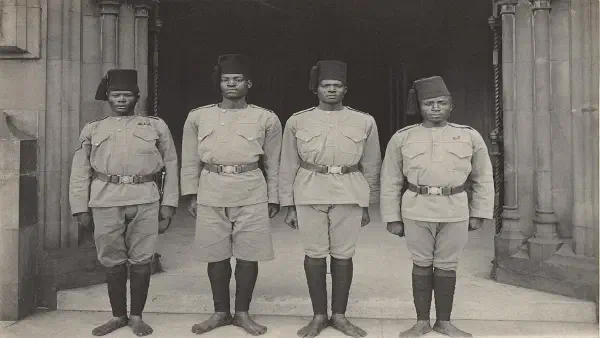
| 2 | The Sweat of the Subject: Coercion, Taxation, and the Labour Dilemma | How did colonial regimes secure cheap labour from self-sufficient populations, and what was the human cost? |
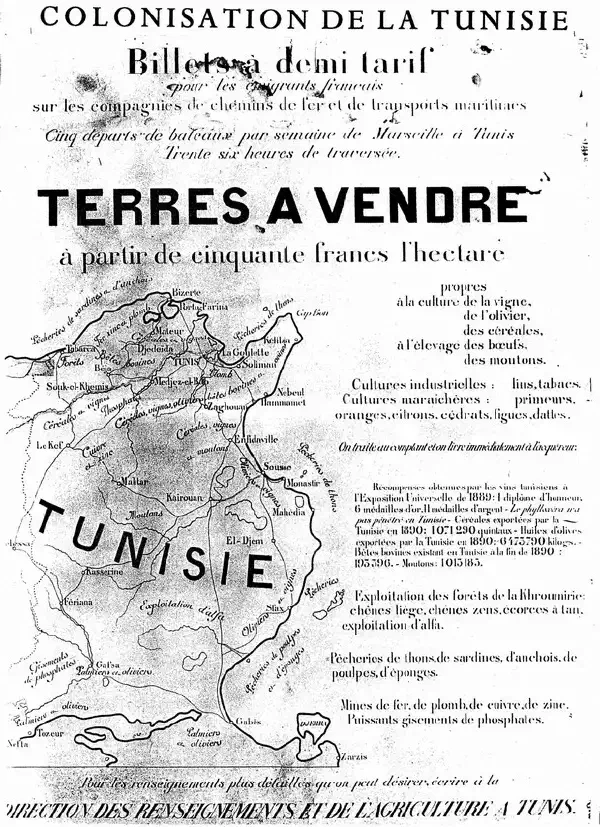
| 3 | The Settler, the Peasant, and the Land: Two Faces of Agricultural Exploitation | How did land alienation in settler zones and cash-crop exploitation in peasant zones reorient African agriculture? |
| 4 | The Architecture of Extraction: Infrastructure, Monopolies, and Finance | How did rail networks, European trade cartels, and banking monopolies systematically transfer African wealth to Europe? |
| 5 | The Great Depression and the Colonial Ledger: Growth Without Development | How did the global slump of 1929 expose the structural vulnerability of Africa's export monocultures? |
The Shape of the Argument
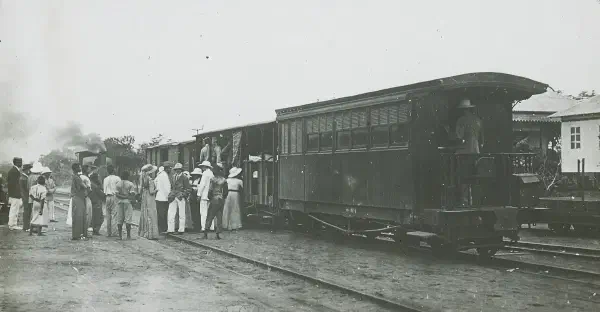
#The central argument of this series is that the colonial economy in Africa was not designed to foster development, but rather to construct a highly efficient mechanism of extraction. The infrastructures built by colonial regimes—railroads running in straight lines from mines to ports, commercial banking monopolies that systematically denied credit to indigenous merchants, and fiscal policies that used hut and poll taxes to force self-sufficient farmers into the wage labor pool—were all integrated components of a single system. This system created "growth" in export statistics, but it actively suppressed domestic industrialization, technological progression, and food security.
This structural lopsidedness made the continent uniquely vulnerable to external economic crises, as the Great Depression brutally demonstrated. When commodity prices collapsed, African societies were left with neither cash nor the traditional safety net of subsistence food cultivation, which had been dismantled to make way for export crops. By examining these historical dynamics, we can see that the post-colonial economic challenges of many African nations are not failures of local administration alone, but the path-dependent results of a colonial ledger that was balanced entirely in favour of European capital.
References
#- Boahen, A. A. (1966). Topics in West African history. London: Longman.
- Crowder, M. (1968). West Africa under colonial rule. London: Hutchinson.
- Curtin, P. D. (1969). The African slave trade: A census. Madison: University of Wisconsin Press.
- Dike, K. O. (1956). Trade and politics in the Niger Delta, 1830-1885. Oxford: Clarendon Press.
- Gann, L. H., & Duignan, P. (1967). Burden of empire. London: Pall Mall.
- Hargreaves, J. D. (1963). Prelude to the partition of West Africa. London: Macmillan.
- Iliffe, J. (1969). Tanganyika under German rule, 1905-1912. Cambridge: Cambridge University Press.
- Isaacman, A., & Isaacman, B. (1976). The tradition of resistance in Mozambique: The Zambesi valley, 1850-1921. London: Heinemann.
- Kuczynski, R. R. (1936). Population movements. Oxford: Clarendon Press.
- Oliver, R., & Fage, J. D. (1962). A short history of Africa. Harmondsworth: Penguin.
- Ranger, T. O. (1967). Revolt in Southern Rhodesia, 1896-1897. London: Heinemann.
- Rodney, W. (1972). How Europe underdeveloped Africa. Dar es Salaam: Tanzania Publishing House.