Empire on the Cheap - Part 3: The Administrative Matrix
·1924 words·10 mins
Indirect rule and bureaucratic extraction: how colonial regimes co-opted traditional elites, fabricated authority, and permanently severed the social contract.
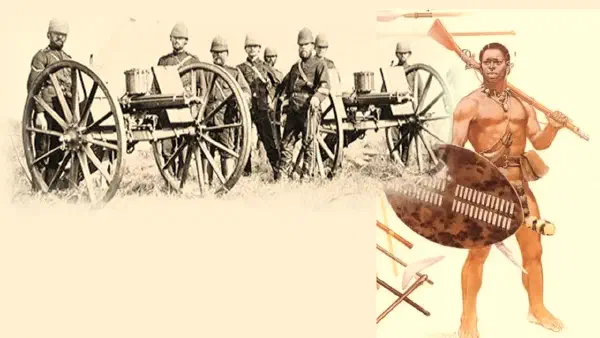
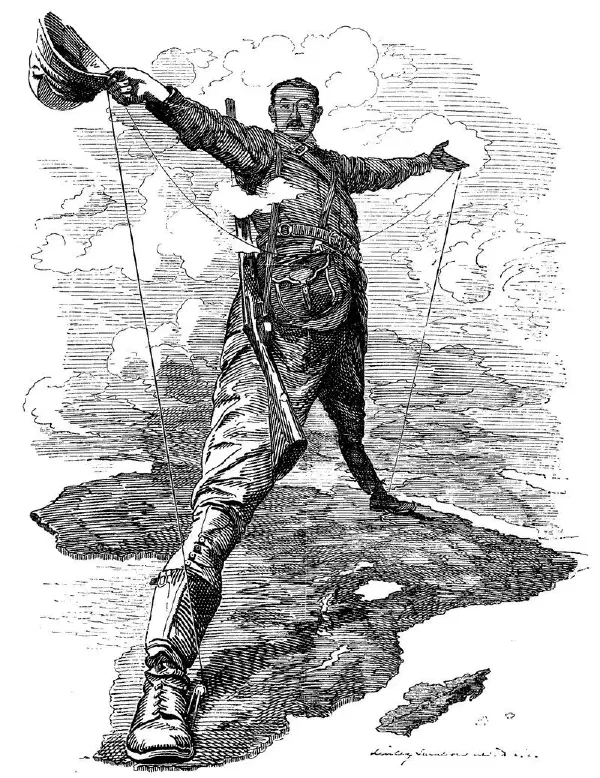
When European powers partitioned Africa at the close of the nineteenth century, the armies that marched under their flags were overwhelmingly African. The subjugation of a continent of over 28 million square kilometres was achieved not by a massive influx of European troops, but through a systematic co-optation of local African forces. Moralists have historically labelled this phenomenon "treason" or "collaboration," but structural analysis reveals a highly rational calculus of survival. African leaders, operating within fragmented regional power systems, allied with the encroaching Europeans to neutralize their immediate local rivals. This series of three articles—each strictly 1800 to 2000 words in length—will anatomize the mechanisms, feedback loops, and structural incentives that made Africans the primary military and administrative instruments of their own subjugation.
| Part | Title | Core Question |
|---|---|---|
| 1 | The Calculus of Alliance: Deconstructing the Myth of African Treason | Why did African rulers ally with encroaching Europeans, and how did pre-colonial political fragmentation prevent a unified response? |
| 2 | The Manpower Multiplier: The Military Architecture of Conquest | How did European powers use co-opted African infantry to overcome their demographic deficits and sustain the conquest? |
| 3 | The Administrative Matrix: Indirect Rule and Bureaucratic Extraction | How did colonial regimes co-opt traditional elites to operate "empire on the cheap," and how did this destroy their legitimacy? |
The central argument of this series is that the European colonization of Africa was not a triumph of foreign demographic strength, but rather a process of systemic co-optation that leveraged the continent's own internal political fragmentation. Operating under severe financial constraints and demographic deficits, European imperial powers could neither afford nor staff a unilateral military occupation. Instead, they engineered a load-bearing administrative and military architecture where conquered African populations provided the infantry to conquer subsequent territories, and co-opted traditional elites acted as the primary tax collectors and labor recruiters.
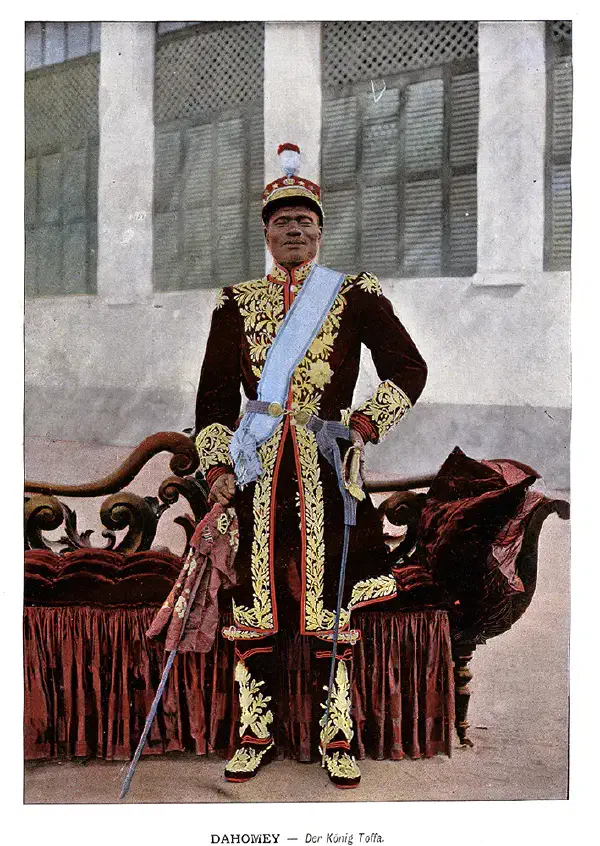
This "empire on the cheap" successfully minimized metropolitan expenditure, but it carried a profound structural cost. By integrating traditional authorities into the machinery of colonial extraction, it severed the historic social contract between rulers and their communities. Traditional leaders were transformed from custodians of the social order into salaried enforcers of alien taxation and forced labor quotas, alienating them from their people and establishing a legacy of institutional dependency that continues to characterize post-colonial governance.