From Ceuta to Empire - Part 12: Ghosts of the Padrão
·2588 words·13 mins
The fortresses crumbled and the fleets rotted, but the sediment remained. The linguistic, genetic, culinary, and cultural traces Portugal left across four continents.
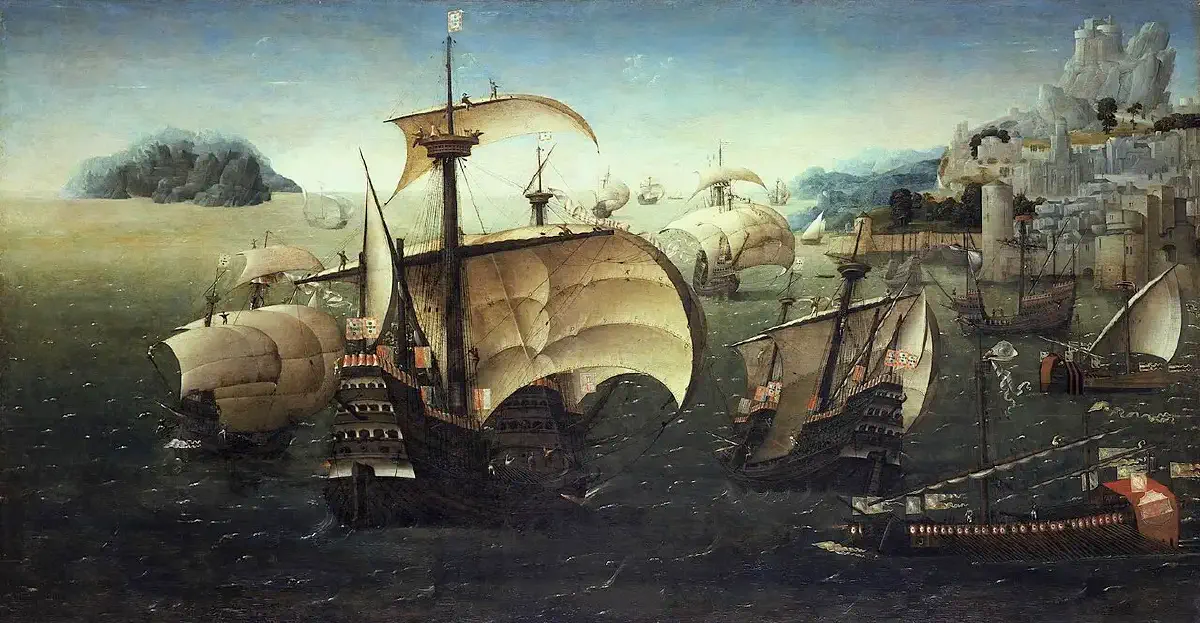
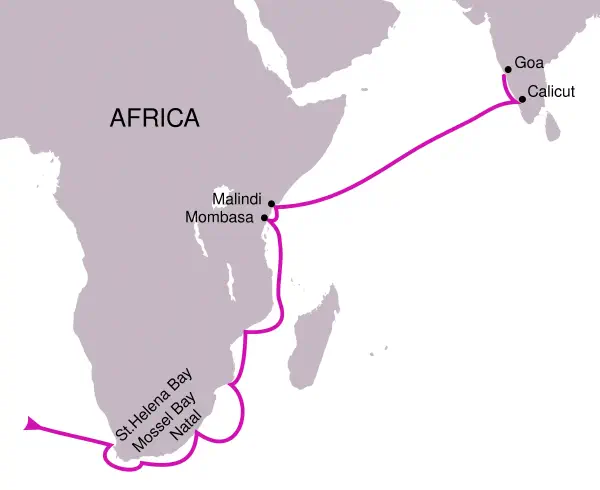
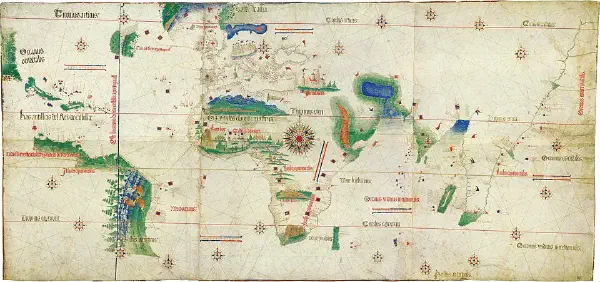
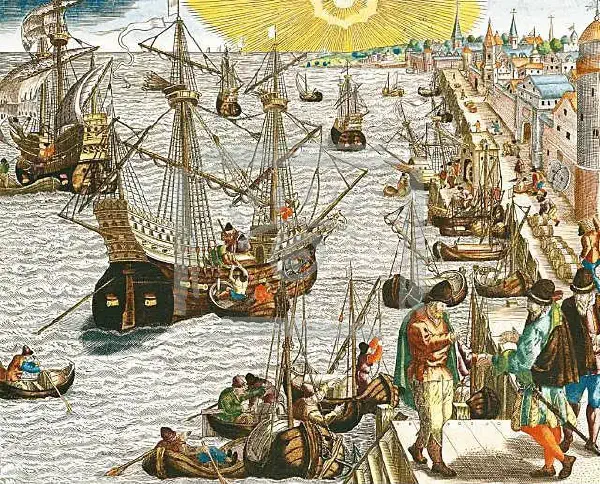
In the summer of 1415, a Portuguese fleet of 212 ships crossed the Strait of Gibraltar and seized the walled city of Ceuta from the Marinid sultanate. It was supposed to be a crusading raid, a way to buy glory for three royal princes and a trickle of gold for an empty treasury. It became the first act of a revolution. Over the next century, Portugal sent its ships south along the African coast, east around the Cape of Good Hope, and across the Indian Ocean to seize the choke-points of the spice trade. A kingdom of barely a million people created an empire that stretched from Brazil to Japan.
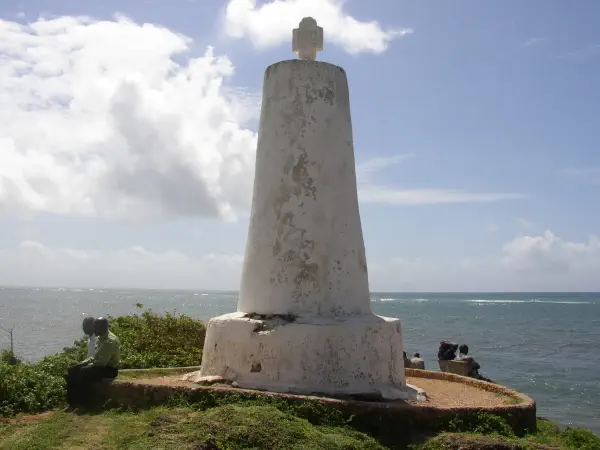
This twelve-part series follows that story from its origins in the geopolitics of a fractured Iberian peninsula to the cultural and linguistic sediment Portugal deposited across four continents. Each article takes a different angle: the technology of the caravel, the scientific program of João II, the monsoon clock that governed everything, the brutal economics of the pepper trade, the crusading ideology that justified conquest, the deserters and mixed-race families who built a shadow empire behind the official one, and the slow unravelling under Dutch and English pressure. The final article follows the ghosts: the stone pillars the Portuguese planted on every coast they claimed, and what remains where they stood.
| Part | Title | Core Question |
|---|---|---|
| 1 | The Theater | Why did a crusading raid on Ceuta become the opening move of a maritime empire? |
| 2 | The Navigator's Workshop | How did Prince Henry turn a headland at the edge of Europe into a machine for dismantling the fear of the unknown? |
| 3 | The Perfect Prince | What made João II's scientific approach to exploration unique in fifteenth-century Europe? |
| 4 | Into the Unknown | How did four ships and 170 men open the sea road to India? |
| 5 | Holy War at Sea | How did commerce turn to conquest, and what did that transformation cost? |
| 6 | The Lion of the Sea | How did Albuquerque propose to control an ocean with a few thousand men? |
| 7 | Prisoners of the Monsoon | How did the seasonal wind system govern trade routes, troop deployments, and the pace of imperial communication? |
| 8 | All the Riches of the World | How did Portuguese pepper destroy the Venetian-Mamluk system and reshape European commerce? |
| 9 | The Shadow of the Cross | How did the crusading impulse shape the empire's treatment of the peoples it encountered? |
| 10 | The Creole Empire | Who were the deserters, casados, and mestiço families who built a society no viceroy could control? |
| 11 | Twilight of the Conquerors | How did an empire built on speed and audacity fail to survive the same forces that built it? |
| 12 | Ghosts of the Padrão | What remains of Portugal's passage across four continents, five centuries later? |
Portugal in 1415 was a kingdom of perhaps 900,000 people, smaller than modern-day Lisbon's metropolitan area. Within a century, its ships had reached Brazil, India, Southeast Asia, China, and Japan. The empire it built was not held by settlers. It was held by a network of fortified harbours, a handful of ocean-going carracks, and a reputation for violence precise enough to be strategic. No other European state had attempted anything remotely comparable.
The series does not treat this as a story of Portuguese genius. It treats it as a story of contingency, of accidents and decisions that compounded across generations into something none of the original participants could have foreseen. The princes who took Ceuta in 1415 were crusaders looking for gold and glory. The pilots who rounded the Cape of Good Hope in 1488 were navigators solving a technical problem. The men who seized Goa and Malacca in 1510 and 1511 were soldiers following a strategy so audacious it bordered on delusion. And the deserters who faded into the forests and rivers of Asia were simply men who decided they had a better chance of survival on their own.
The empire emerged from all of them.