Series Overview
#Internet culture, Hollywood films, and nationalistic histories love a good story: Australia losing a war to emus, Mulan as an exceptional filial heroine, Scottish caves filled with cannibal clans, Roman legionaries settling in ancient China, and Lady Godiva riding naked through Coventry. Yet when subjected to rigorous historical, bio-archaeological, and economic analysis, these viral myths collapse, revealing far more interesting truths about ecological planning, demographic survival, state propaganda, and medieval gender politics.
This five-part series deconstructs five iconic historical myths to uncover the real structural forces that shaped our past.
Series Architecture
#| Item | Title | Rationale & Focus |
|---|
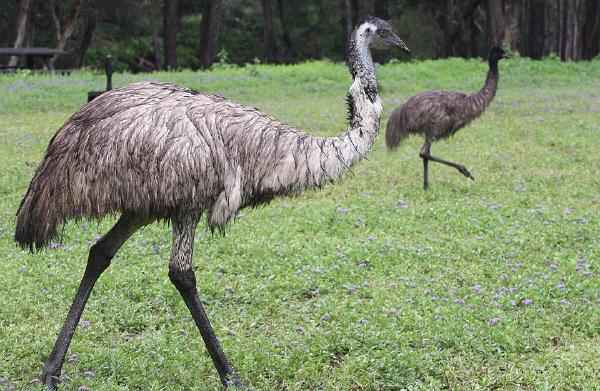
| Post 1 | The Feathered Guerrillas: Why the Great Emu War of 1932 Wasn't a War | Ecological & Institutional Analysis: Debunks the popular internet meme to expose the tragicomic systemic failures of post-WWI soldier-settler policies and agricultural hubris during the Great Depression. |
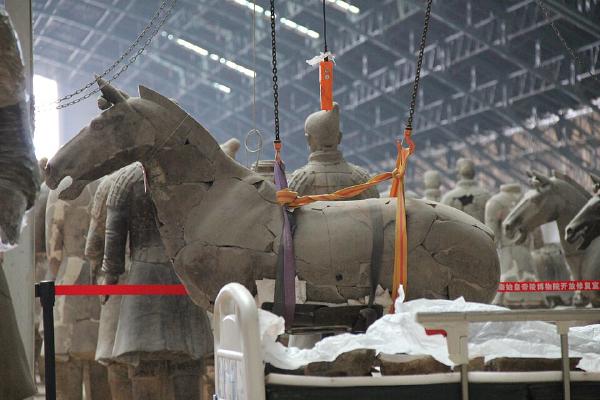
| Post 2 | Steel and Steppe: The Archaeological Reality of the Real Mulan | Gender & Nomadic Historiography: Subverts the sanitized, filial literary character of Mulan to explore the genuine, battle-scarred warrior women of the Xianbei and Xiongnu steppe confederacies. |
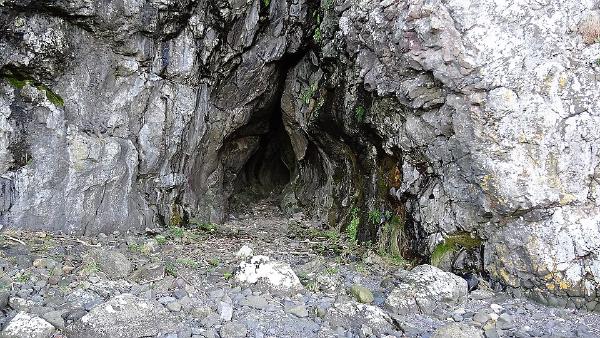
| Post 3 | The Cave of Whispers: How the Cannibal Clan of Sawney Bean Was Manufactured | Political Propaganda & Media Literacy: Exposes the graphic legend of Scotland’s cave-dwelling cannibals as a calculated 18th-century English print campaign designed to demonize Jacobite Scots. |
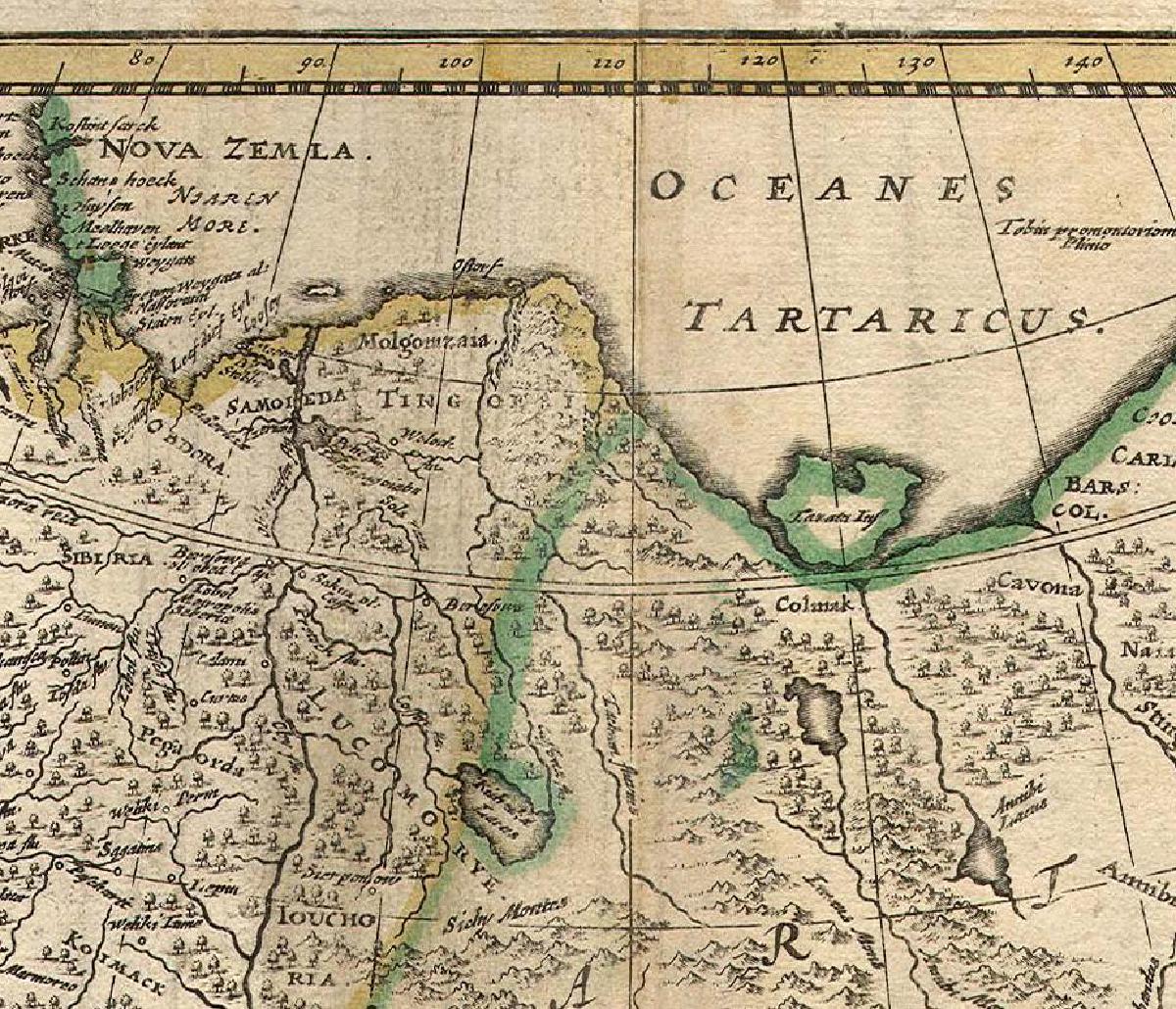
| Post 4 | The Gobi Legion: Deciphering the Myth of Rome's Lost Soldiers in China | Historiographical Forensics: Investigates the speculative theory of Roman soldiers settling in the Chinese village of Liqian, analyzing how academic bias and modern commercial tourism overwrite authentic Silk Road history. |
| Post 5 | The Naked Protest: Lady Godiva, the Druids, and the Fabrication of English Origins | Socio-Political Myth-Making: Deconstructs the legendary tax-protest ride of Godiva and the blood-soaked rituals of the Druids, showing how Norman monks and Roman conquerors rewritten history to pacify subjects. |
References
#- Caesar, J. (1917). The Gallic War (H. J. Edwards, Trans.). Harvard University Press. (Original work published c. 50 BC).
- Domm, S. (2002). The Great Emu War: A Tragicomic Clash of Civilizations. Western Australian Historical Society, 44(2), 112-125.
- Dubs, H. H. (1957). A Roman City in Ancient China. China Society.
- Mayor, A. (2014). The Amazons: Lives and Legends of Warrior Women across the Ancient World. Princeton University Press.
- Wendover, R. (1849). Flowers of History (J. A. Giles, Trans.). Bohn's Antiquarian Library. (Original work published c. 1235).
- Wood, J. (2011). The Myth of Sawney Bean: Politics, Propaganda, and the Galloway Cannibals. Scottish Historical Review, 90(1), 45-68.
- Young, R. (2007). DNA and the Silk Road: The Genetic Legacy of Zhelaizhai. Journal of Asian History, 41(3), 201-218.