
The Cannibal Patriarch: London Broadsheets and Scottish Savages#
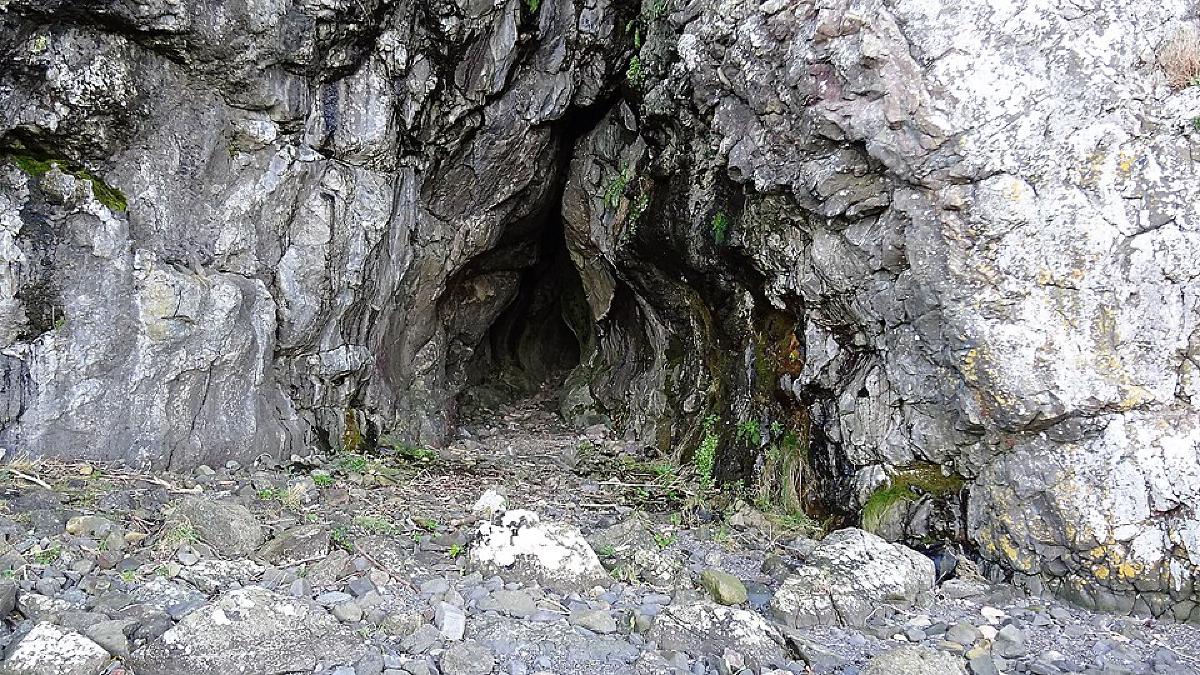
For nearly three centuries, the legend of Alexander "Sawney" Bean has stood as one of the most horrifying tales in British folklore. According to the standard narrative published in 18th-century London broadsheets and true-crime compilations, Bean was a 15th-century Scottish outlaw who, along with his incestuous, cave-dwelling clan of forty-eight children and grandchildren, lived in a remote sea cave on the coast of Galloway. For twenty-five years, this monstrous family allegedly ambushed, murdered, and cannibalized over 1,000 travelers, evading detection by dumping the inedible remains into the sea, until King James VI personally led a force of 400 soldiers and bloodhounds to capture them. The capture was reportedly followed by immediate, brutal executions without trial. While this gruesome tale is still celebrated in Scottish tourist attractions and horror films, critical historical analysis reveals a highly calculating truth: the entire legend of Sawney Bean is an elaborate, politically motivated piece of 18th-century English print propaganda. It was a highly successful media campaign designed to demonize the Scottish people and justify the aggressive expansion of the British imperial state.
The Anatomy of a Slur: Print Capitalism and Political Demonization#
The creation and dissemination of the Sawney Bean myth was a systematic process driven by the rise of mass media and intense geopolitical anxieties.
The Commercial Mechanics of the Penny Dreadful#
To understand how the Sawney Bean myth was constructed, one must analyze the economic pressures of the early modern London publishing industry. The 18th century saw the rapid expansion of print capitalism, driven by the deregulation of the press and the rise of cheap, mass-produced publications known as broadsheets, chapbooks, and "penny dreadfuls". These publications operated on razor-thin profit margins and relied on sensationalism, violence, and sexual deviance to capture the attention of a newly literate, urban working class. The story of a giant, incestuous family of Scottish cannibals living in a dark cave was the ultimate commercial clickbait of its day. Publishers systematically recycled, expanded, and illustrated the Bean narrative because it guaranteed massive sales, capitalizing on the public’s insatiable appetite for the bizarre and the transgressive, completely independent of any factual reporting or investigative journalism.
The Geopolitical Crucible of the Jacobite Rebellions#
The Sawney Bean legend was not a harmless horror story, but a highly targeted political weapon deployed during a period of intense constitutional crisis. The late 17th and early 18th centuries were marked by the Jacobite Rebellions, a series of armed uprisings in which Scottish clans repeatedly attempted to overthrow the Protestant Hanoverian monarchs of Great Britain and restore the Catholic Stuart dynasty. In the eyes of the London political elite, Scotland was a hotbed of sedition, lawlessness, and primitive rebellion. The English press actively sought to manufacture a narrative that painted the Scots as sub-human savages who were culturally, morally, and racially unfit for self-governance. By setting the Sawney Bean story in Scotland and giving the cannibal patriarch a highly common Scottish nickname ("Sawney" was the derogatory English slang for Alexander), the publishers created a powerful, visceral metaphor for the perceived barbarism of the entire Scottish nation, justifying the brutal military pacification of the Highlands by the British Army.
The Silence of the Archives#
The most damning indictment of the Sawney Bean legend is the complete, absolute absence of any contemporary historical records. The story claims that a twenty-five-year campaign of mass murder resulting in 1,000 victims occurred during the reign of James VI, a monarch obsessed with legal administration, witchcraft, and public trials, who kept highly detailed diaries and state papers. Yet, there is not a single mention of the Bean clan, the disappearances, the massive military manhunt, or the executions in any Scottish parish records, court registries, municipal charters, or personal correspondence of the era. The first recorded publication of the story did not appear until the 1700s in London—centuries after the events supposedly occurred. The entire narrative is a structural mirror of classical Roman anti-barbarian propaganda, utilizing the highly specific tropes of cave-dwelling, incest, and cannibalism to delineate the boundary between civilized English subjects and the wild, lawless Scottish periphery.
The Durability of the Constructed Savage#
The survival of the Sawney Bean legend demonstrates the power of mass media to fabricate national memory. Long after the political anxieties of the Jacobite Rebellions subsided, the myth persisted, gradually transitioning from an English anti-Scottish slur into a celebrated piece of Scottish gothic folklore used to drive modern tourism. This bizarre transformation highlights a profound lesson in media literacy: when a sensationalist narrative serves both the commercial interests of publishers and the political needs of the state, it can easily replace historical truth. By exposing the political machinery behind the myth of the Galloway cannibals, we gain a vital understanding of how easily fear, prejudice, and print technology can combine to rewrite the history of an entire people.