Scam City - Part 2: Mechanical Flesh and Thinking Beasts: The Scam of Enlightenment Automata
·908 words·5 mins
Unpacks how trained animals and mechanical ducks exploited philosophical debates on consciousness in Enlightenment Europe.

Scam City: History's Finest Grifts and Audacious Deceptions is a five-part historical series examining how cognitive biases, performative authority, and theatrical illusion shaped critical junctures in military strategy, philosophy, politics, social hierarchy, and media power.
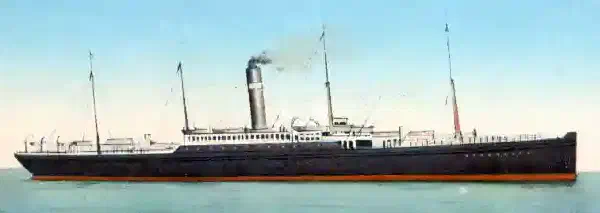
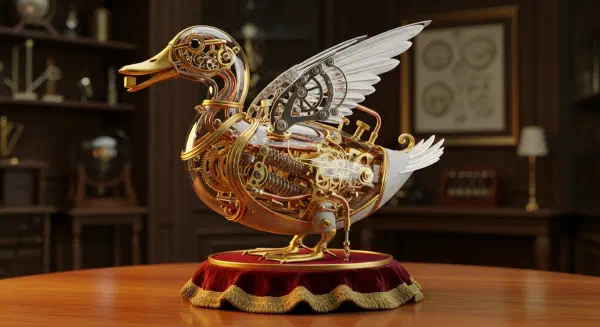
The journey begins in World War I with The Phantom Fleet, where the British Royal Navy deployed canvas-and-wood dummy dreadnoughts to manipulate German maritime reconnaissance and preserve real capital assets. It shifts to 18th-century Europe in Mechanical Flesh and Thinking Beasts, unpacking how performing animals and Vaucanson's clockwork duck exploited Enlightenment anxieties surrounding sentience and mechanical philosophy.
Moving to 1736 Corsica, The Improvised Crown traces how a penniless German baron conjured a legitimate political regime out of pure theatrical flair, destabilizing Mediterranean geopolitics. In early modern London, Fabricated Lives details how identity thieves Mary Carleton and George Psalmanazar weaponized class prejudices and colonial exoticism to infiltrate elite institutions. Finally, Sex, Power, and Ink explores the infamous 1501 "Banquet of Chestnuts," showing how a single, unverified Vatican rumor became an enduring historical truth through Renaissance print propaganda.
Together, these case studies demonstrate that human cognition remains the ultimate vulnerability, and that the illusion of power is often indistinguishable from power itself.
| Item | Title | Rationale & Focus |
|---|---|---|
| Post 1 | The Phantom Fleet: How Wooden Battleships Redefined WWI Naval Strategy | Military and Logistics / Systems Thinking: Evaluates how decoy dreadnoughts manipulated enemy reconnaissance. |
| Post 2 | Mechanical Flesh and Thinking Beasts: The Scam of Enlightenment Automata | Consumer Psychology / Design and Innovation: Unpacks how trained animals and mechanical ducks exploited philosophical debates on consciousness. |
| Post 3 | The Improvised Crown: Theodor von Neuhoff and the Sovereignty of Audacity | Leadership and Crisis / Social Dynamics: Traces how a penniless baron staged a performative monarchy to claim real geopolitical power. |
| Post 4 | Fabricated Lives: How Imposture Exposed the Class Prejudices of Early Modern London | Social Dynamics / Decision-Making and Bias: Details how identity thieves used performance to expose the arbitrary nature of class markers. |
| Post 5 | Sex, Power, and Ink: The Banquet of Chestnuts as a Masterclass in Renaissance Fake News | Policy and Critique / Historical Case Studies: Explores how a salacious rumor became an enduring historical truth via printed propaganda. |