The Great Panic - Part 5: The Fever in the Pages & Series Conclusion
·1261 words·6 mins
18th-century novel reading, female literacy, and the modern media panic recursion.
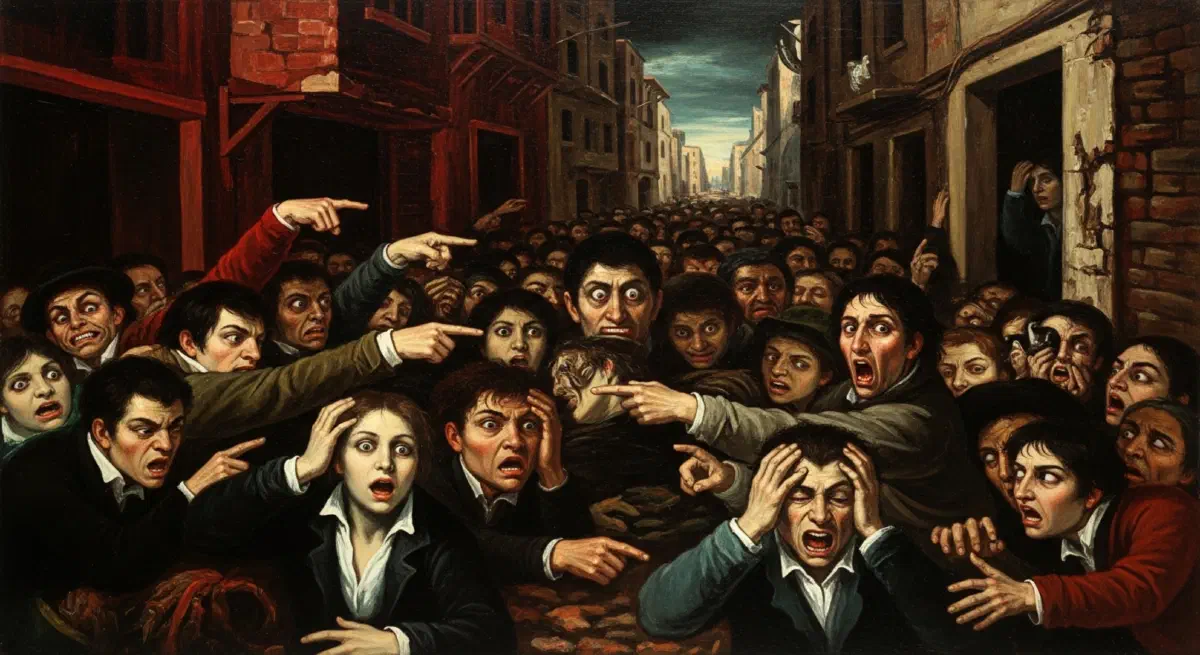
Throughout human history, collective baseline cognitive stability has proven deceptively fragile. When societies face acute ecological trauma, sudden material revolutions, or unmonitored horizontal communication channels, the boundary between individual agency and mass behavioral contagion can dissolve entirely. Under such pressure, the human mind does not collapse randomly; it executes culturally scripted feedback loops that translate psychological agony, political paranoia, or status anxiety into physical symptoms, state prohibitions, and violent moral panics.
This five-part series investigates the structural architecture of collective delusion and institutional panic. Spanning six centuries of European and Middle Eastern history, the series reveals how mass psychogenic illness, somatic delusions, substance prohibitions, etiquette wars, and media panics are not isolated historical curiosities, but predictable expressions of a single socio-cognitive dynamic: the systemic pathologization of human vulnerability and change.
The series is organized around five empirical deep dives, tracking how collective panics transition from physical bodily manifestations to state-sanctioned media policing:
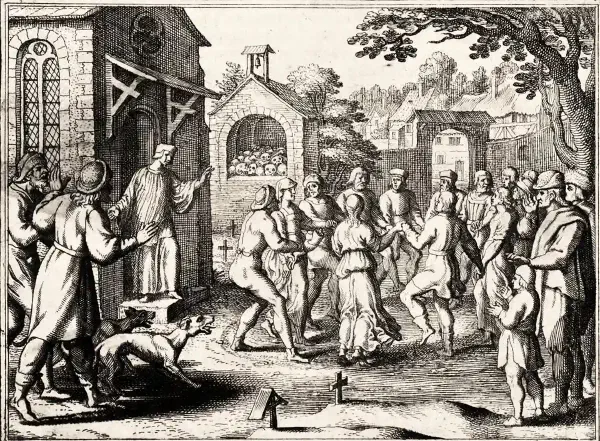
Part 1, The Rhythm of Madness examines The Strasbourg Dancing Plague of 1518 from the perspective of mass psychogenic illness (MPI) and somatic collapse. It deconstructs how extreme ecological devastation, starvation, and religious fatalism interacted with municipal policy failures to turn a localized breakdown into a lethal, self-replicating physical epidemic.
Part 2, The Transparent Monarch examines The Glass Delusion and the Fragility of Power (1392–1650) from the perspective of psychiatric somatization. It deconstructs how Renaissance elites, buckling under relentless public surveillance and state pressure, adopted the fragile physics of newly invented Venetian cristallo glass as a subconscious somatic armor to demand absolute isolation.
Part 3, The Trial of the Bean examines The Mecca Coffee Prohibition of 1511 from the perspective of political paranoia and space policing. It deconstructs how the introduction of caffeine disrupted chronic population sedation and created the first unmonitored, horizontal civic spaces (kahvehane), triggering an authoritarian state crackdown disguised as theological orthodoxy.
Part 4, The Devil's Prongs examines The European Resistance to the Fork (1004–1800s) from the perspective of theological rejection and class distinction. It deconstructs how a simple dining tool was branded as Satanic vanity for placing mechanical mediation between human mouths and divine creation, and how nobility weaponized manual etiquette to police social borders.
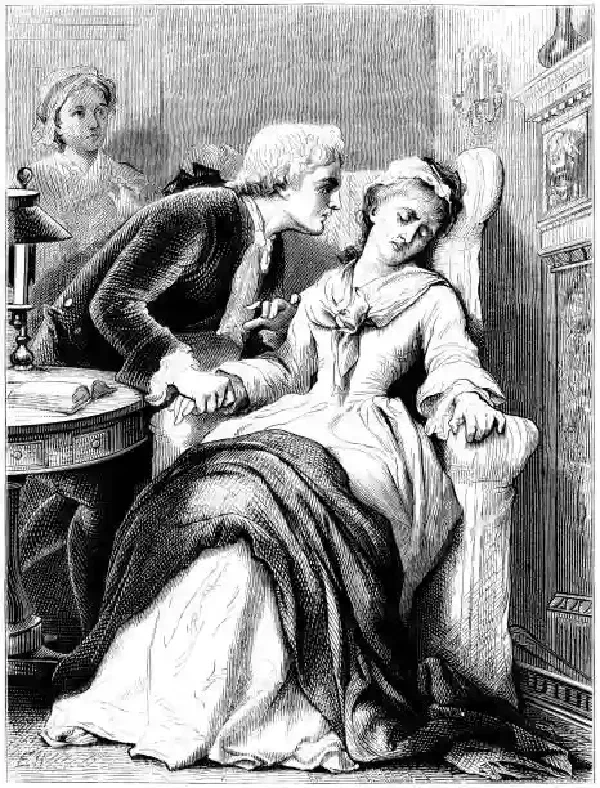
Part 5, The Fever in the Pages examines 18th-Century Novel Reading and Female Literacy (Lesewut) from the perspective of the medicalization of interiority. It deconstructs how the Enlightenment medical establishment invented "reading fever" to pathologize female psychological autonomy and private emotional lives, setting the structural template for modern digital screen panics.
Parts 1 and 2 deconstruct how severe acute stress and technological shifts manifest as biological and somatic breakdowns in both vulnerable crowds and isolated rulers.
Parts 3 and 4 expose how state and religious institutions police bodily habits and physical gathering spaces to preserve vertical power and manual class discipline.
Part 5 bridges historical print panics with modern algorithmic echo chambers, demonstrating how society repeatedly pathologizes new baselines of human attention.
The five articles collectively establish three systemic conclusions:
Mass Delusions Are Culturally Scripted: Psychological contagion does not produce random behavior. The human mind in crisis selects symptoms, somatic metaphors, and fears directly from the dominant religious, medical, or technological scripts of its era—whether Saint Vitus, Venetian glass, heretical pitchforks, or infectious novels.
State and Institutional Interventions Frequently Accelerate Hysteria: When authorities attempt to manage a panic through validation or moral policing—constructing dancing stages in Strasbourg, stacking court tribunals in Mecca, or medicalizing books—they systematically institutionalize the delusion, converting localized anxiety into systemic crisis.
Substance and Media Panics Guard Border Infrastructures: The state rarely bans tools or substances out of genuine concern for public health. Institutional resistance emerges when a new tool, stimulant, or media format enables unmonitored horizontal communication or private interiority outside of centralized control.
Damian, P. (1059). De Institutione Monialis (On the Institution of Nuns). Rome, Italy: Papal States Press.
Darnton, R. (1984). The Great Cat Massacre and Other Episodes in French Cultural History. New York, NY: Basic Books.
Foucault, M. (1961). Madness and Civilization: A History of Insanity in the Age of Reason. Paris, France: Librairie Plon.
Hattox, R. S. (1985). Coffee and Coffeehouses: The Origins of a Social Beverage in the Medieval Near East. Seattle, WA: University of Washington Press.
Hecker, J. F. (1844). The Epidemics of the Middle Ages. London, UK: Sydenham Society.
Midelfort, H. C. E. (1999). A History of Madness in Sixteenth-Century Germany. Stanford, CA: Stanford University Press.
Shorter, E. (1992). From Paralysis to Fatigue: A History of Psychosomatic Illness in the Modern Era. New York, NY: Free Press.
Standage, T. (2005). A History of the World in 6 Glasses. New York, NY: Walker & Company.
Uglow, J. (2002). The Lunar Men: Five Friends Whose Curiosity Changed the World. London, UK: Faber & Faber.
Waller, J. (2008). The Dancing Plague: The Strange, True Story of an Extraordinary Illness. London, UK: Aurum Press.