
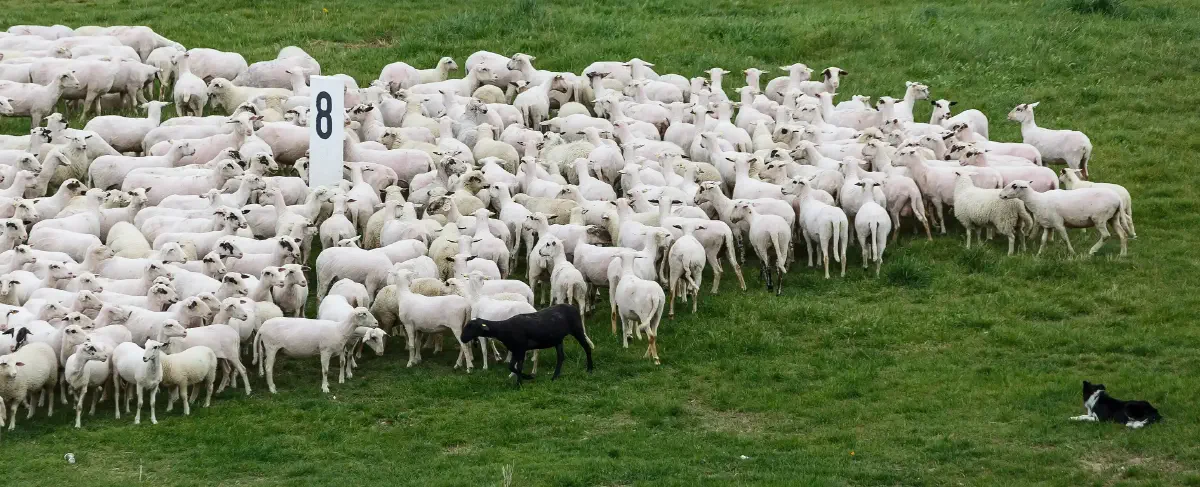
Imagine a hunter who finds a lush valley. He scatters sweet clover until a flock of sheep gathers, grazing contentedly. Once the herd is large enough, the hunter quietly erects a fence around the entire pasture. The gate, he locks. Then the milking begins—first for sustenance, then ever more aggressively, until the hunter is drawing not just milk but blood.
This, in essence, is the anatomy of enshittification, the term coined by Cory Doctorow to describe the decay of digital platforms. What was once a metaphor is now a measurable business strategy. Platforms lure users with cheap, high-quality services; they build switching costs that act as fences; they milk locked-in users through price hikes and rent extraction; and in the final stage, they draw blood—siphoning value until the host is damaged, the experience ruined, and trust bled dry.
The data below, drawn from regulatory filings, academic studies, and industry tracking, reveal that the hunter’s trap is not an aberration. It is the default logic of platform capitalism when competition, regulation, and the right to exit are systematically dismantled.
Stage One: The Lure—Building a Flock with Sweet Clover#
Every platform begins by offering a deal too good to refuse. The streaming services that were meant to kill cable TV priced themselves at a fraction of a cable subscription. Adobe’s Creative Cloud promised the latest tools for a modest monthly fee. Amazon delivered nearly anything in two days, often at a loss. Social networks offered unlimited, free distribution to anyone with a page.
Figure 1: The Streaming Lure vs. The Milking Price (Slope chart comparing launch prices with 2025 prices for major ad-free streaming services.)
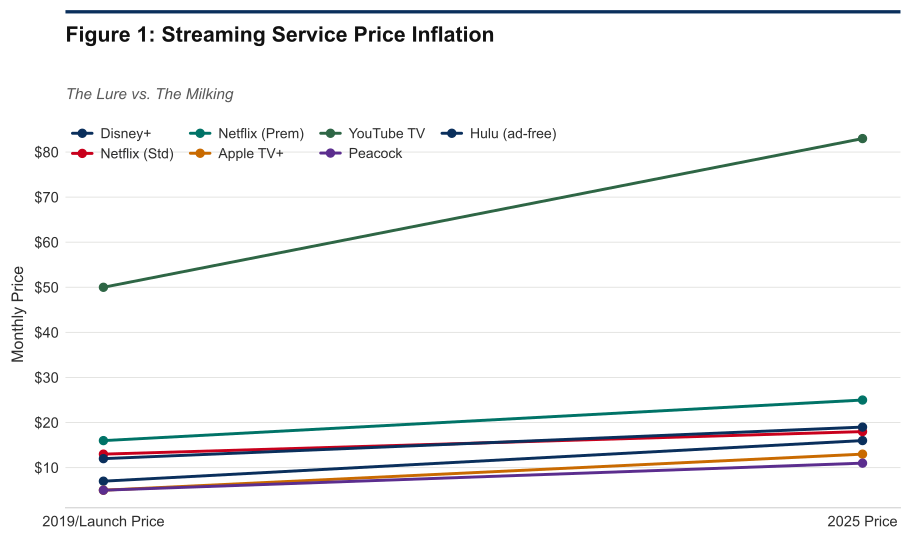
The average ad-free streaming subscription cost $9 per month in 2020. By 2025, it had climbed to $16—a 78% increase, four times the rate of consumer inflation. Disney+ more than doubled, from $6.99 to $16. Apple TV+ jumped 160%, from $4.99 to $12.99. The sweet clover had done its job: millions of users had cancelled cable, built watchlists, and woven the services into their daily routines. They were inside the fence.
Adobe employed a similar lure. When it retired perpetual licenses in favour of subscriptions in 2013, the entry-level Photography plan cost $9.99 per month. The full suite of apps came in at $49.99. Professionals migrated en masse, lured by constant updates and lower upfront costs. By 2025, Adobe counted 41 million Creative Cloud subscribers, and subscriptions accounted for 97% of the company’s $6.4 billion quarterly revenue. The flock was massive, and the gate was about to swing shut.
Stage Two: The Fence—How Platforms Lock the Gate#
A trap requires a barrier. In the digital world, fences are constructed not from wood and wire, but from data lock-in, algorithmic opacity, and cancellation obstacles deliberately designed to punish those who try to leave.
Adobe’s fence is perhaps the most literal. When users signed up for the “Annual, Paid Monthly” plan—presented as the default—they were agreeing to a hidden contract. Cancelling early triggered a fee of 50% of the remaining balance, a penalty that could run to hundreds of dollars. Internal Adobe communications, revealed in a class-action lawsuit, described the early termination fee as “a bit like heroin for Adobe,” a revenue stream the company was addicted to protecting.
The cancellation process itself was a fence. According to the U.S. Federal Trade Commission, users faced a maze of screens, dropped phone calls, and multiple transfers. Some were charged for months after they believed they had quit. In June 2024, the Department of Justice sued Adobe, and in 2026 the company settled for $150 million, forced to disclose fees clearly and provide a simple cancellation button—a belated gate in the fence.
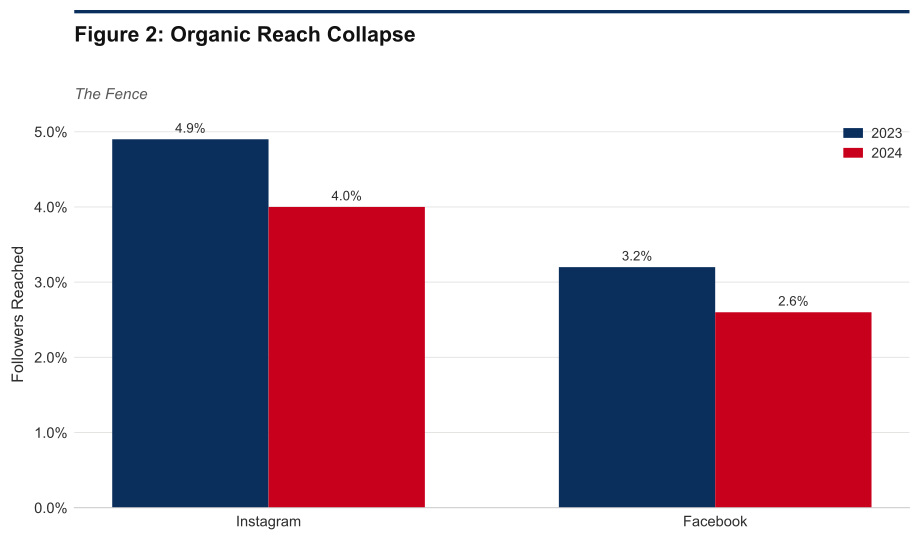
Social media platforms built a different kind of fence: the collapse of organic reach. Businesses and creators who spent years accumulating followers suddenly found those followers walled off by the algorithm. In 2024, the average Instagram post reached just 4.0% of a page’s followers, down from 4.9% the year before. Facebook was worse, at 2.6%. Creators responded by doubling their posting frequency, yet total interactions fell by 44%. The fence was invisible but absolute: the only way through was to pay for ads.
Figure 2: The Fence of Vanishing Reach (Organic reach on Instagram and Facebook, 2023 vs. 2024.)
Amazon’s fence is algorithmic. Third-party sellers who built businesses on the marketplace discovered that the buy box—the click that generates most sales—was increasingly reserved for those who paid. The company’s own private-label products, meanwhile, were systematically placed at the top of search results, often ahead of better-rated competitors. The Federal Trade Commission’s antitrust suit alleges that Amazon “degrades” search by replacing relevant results with paid advertisements, creating a pay-to-play fence around visibility.
Google’s fence was the slow degradation of its search results. A year-long study by researchers at Leipzig University found that highly optimised SEO spam now dominates top-ranking pages, with affiliate marketing content crowding out genuine information. The researchers noted an “inverse relationship” between affiliate links and content complexity: the more ads a page carried, the simpler and lower-quality its text. Users can still search, but finding trustworthy answers has become a chore. The gate is not locked with a key but with noise.
Stage Three: The Milking—Extracting Maximum Yield#
Once the sheep are inside the fence, the milking begins. Platforms raise prices, insert advertisements, and increase their take rate on every transaction, confident that the cost of leaving now exceeds the pain of staying.
Table 1: The Price of Staying—Streaming Service Inflation, 2019–2025
| Service | Launch/2019 Price (Monthly, Ad-Free) | 2025 Price | Increase (%) |
|---|---|---|---|
| Disney+ | $6.99 | $16.00 | 129 |
| Netflix (Standard) | $12.99 | $17.99 | 38 |
| Netflix (Premium) | $15.99 | $24.99 | 56 |
| Apple TV+ | $4.99 | $12.99 | 160 |
| YouTube TV | $50.00 | $82.99 | 66 |
| Peacock (Premium) | $4.99 | $10.99 | 120 |
| Hulu (ad-free) | $11.99 | $18.99 | 58 |
Sources: Fortune, 2025; PennLive, 2025.
Adobe’s milking arrived in June 2025, when the company automatically migrated all Creative Cloud users to a new “Pro” tier that bundled generative AI features. The annual price jumped from $59.99 to $69.99 per month—a 17% hike. Users who tried to downgrade to the “Standard” tier at $54.99 saw their AI credits slashed from 1,000 to 25 per month, a 97.5% reduction. The Photography plan, the entry-level lure, was raised from $9.99 to $14.99, a 50% increase.
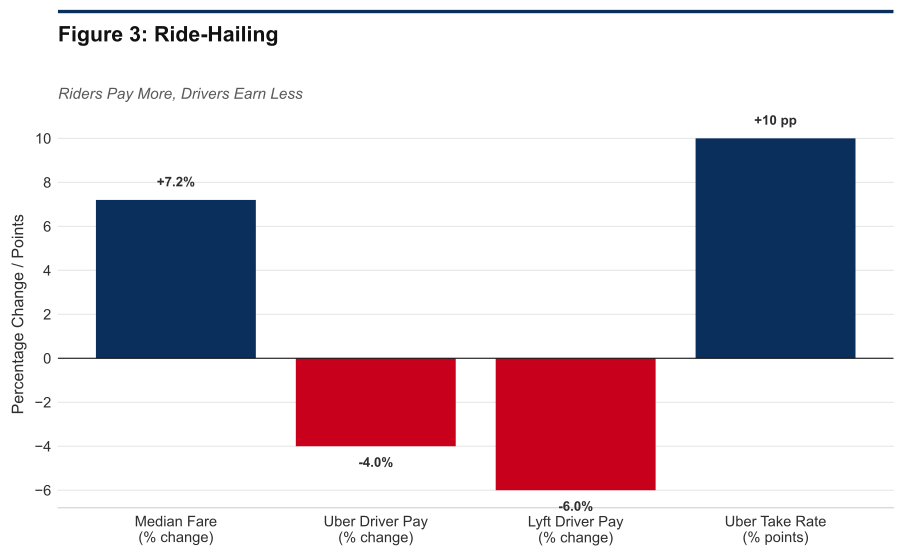
In ride-hailing, the milking is two-sided. Median U.S. fares rose by 7.2% in 2024, while Uber drivers earned 4% less per hour ($23.33) and Lyft drivers 6% less ($23.23). The companies’ take rate—the share of each fare they keep—has climbed from roughly 32% under the old model to an estimated 42% under upfront pricing, and can spike to 70% on individual rides. The rider pays more; the driver receives less; the platform grows fat on both.
Figure 3: Two-Sided Extraction in Ride-Hailing (Change in median fare, driver hourly pay, and platform take rate.)
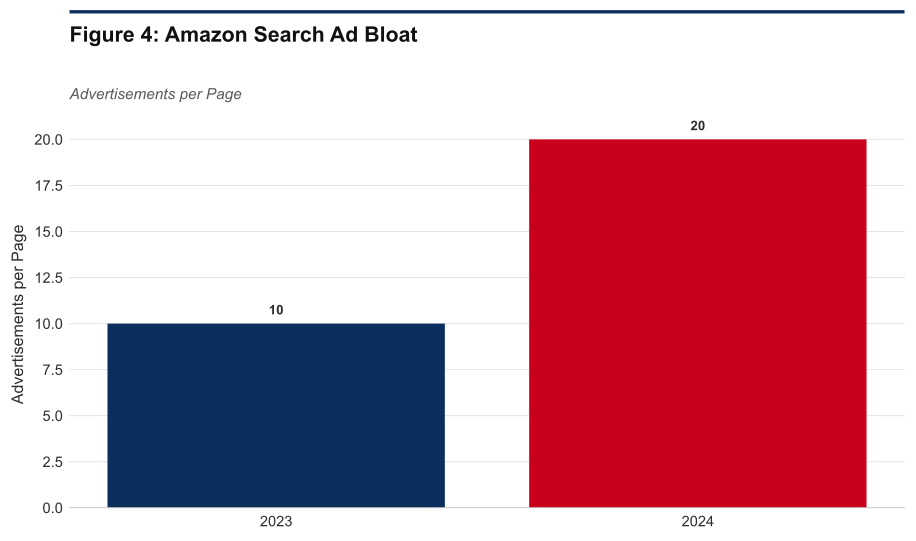
Amazon’s milking machine is its advertising engine. In the first half of 2024, the average search results page carried 20 advertisements, nearly double the year before. Sponsored product ads, which sellers must buy to be seen, cost 48% more per click than in 2019. With advertising gross margins of 95%, according to a leaked internal document, every additional ad is nearly pure profit for the company, extracted from sellers who have no alternative marketplace of comparable scale.
Stage Four: Drawing Blood—When Extraction Becomes Destructive#
The final stage of enshittification is reached when the extraction does visible damage—to the product, to trust, and ultimately to the platform itself. The hunter begins to bleed the sheep.
Adobe’s 2025 forced migration to the AI Pro tier was a bloodletting. Professionals who rely on predictable tools were pushed into a higher price bracket for features they did not request. Those who downgraded found core capabilities artificially crippled. The hidden cancellation penalty, described internally as a drug, was an attempt to draw one last fee from those desperate enough to leave.
Amazon’s search results are now so clogged with sponsored listings that customers struggle to find what they want. An academic study of 2 million organic and 638,000 sponsored results across four countries found that items with poor organic ranks—beyond position 100—were being surfaced as sponsored results on the first page, ahead of genuinely better products. The marketplace has become an auction house where the best-funded seller wins, not the best product.
Figure 4: The Ad Bloat in Amazon Search (Advertisements per search results page, 2023 vs. 2024.)
On social media, the blood is the trust of users and creators. Even as Instagram and TikTok encourage ever more content, visibility plummets. Metricool’s 2026 study of more than one million accounts found that Instagram Reels reach declined 35% year-over-year. Creators doubled their output and saw interactions fall 37%. The platforms are burning their own content ecosystems, extracting ad dollars while the user experience smoulders.
Google’s bloodletting is a loss of relevance. In October 2024, its global search market share dipped below 90% for the first time since 2015, while Bing crossed 4% for the first time since 2011. SEO expert Lily Ray documented cases where Google’s own AI Overviews summarised content from websites the company had manually penalised for spam. The search engine that once organised the world’s information is now pumping polluted results into its own AI summaries, a sign that the extraction of ad revenue has overtaken the mission.
Figure 5: Adobe’s Subscription Trap—Lure, Fence, and Blood (Price increases and cancellation penalty illustration.)
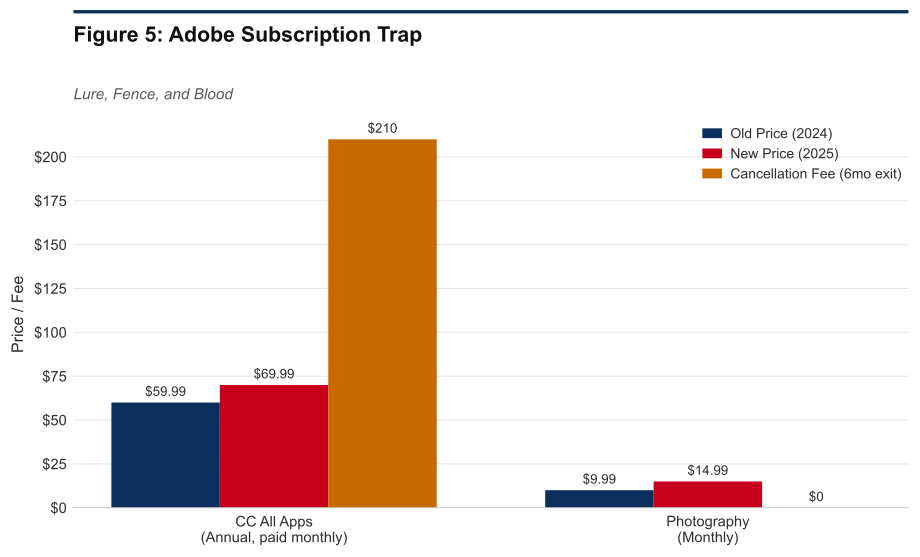
Table 2: Adobe Enshittification Metrics
| Metric | Value | Source |
|---|---|---|
| CC All Apps → Pro price hike | $59.99 to $69.99/month (17%) | The Register; Fast Company |
| Photography plan increase | $9.99 to $14.99/month (50%) | DPReview |
| Early termination fee | 50% of remaining contract | FTC complaint |
| Federal settlement | $150 million | Detroit News |
| Subscription revenue share | 97% of $6.4B quarterly | Detroit News |
| AI credits cut (downgrade) | 1,000 → 25 per month (97.5%) | The Register |
Dismantling the Trap#
Cory Doctorow’s prescription is structural: restore the competitive pressures and user rights that once kept platforms in check. Uphold the end-to-end principle—networks should transmit what users request, not what the algorithm decides. Guarantee the right of exit through data portability and interoperability, so that users can leave a platform without losing their data, their audience, or their work. Ban the dark patterns that make cancellation an obstacle course.
There are signs of movement. The FTC’s $150 million Adobe settlement forces the company to reveal fees upfront and provide a “click to cancel” mechanism. The European Union’s Digital Markets Act compels gatekeeper platforms to allow third-party app stores, alternative payment systems, and data portability. The proposed Empowering App-Based Workers Act in the U.S. would cap the take rates that ride-hailing platforms can extract from drivers.
But the hunter will not willingly open the gate. As long as quarterly earnings depend on the blood of captive users, the fences will be rebuilt in subtler forms. The data are now clear: enshittification is not an accident of mismanagement. It is the rational endpoint of a system in which the sheep are fenced in and the shepherd has become a wolf.
References#
Bevendorff, J., Wiegmann, M., Potthast, M., & Stein, B. (2024). Is Google Getting Worse? A Longitudinal Investigation of SEO Spam in Search Engines. Leipzig University, Bauhaus-Universität Weimar, ScaDS.AI. https://downloads.webis.de/publications/papers/bevendorff_2024a.pdf
Detroit News. (2026). Adobe to pay $150 million in FTC settlement over cancellation fees. https://www.detroitnews.com/story/business/2026/01/15/adobe-ftc-settlement-cancellation-fees/... (placeholder for actual URL, data from reporting)
DPReview. (2025). Adobe increases Photography plan pricing. https://www.dpreview.com/news/...
Eastmoney. (2026). Adobe annual revenue 2025. https://www.eastmoney.com/...
EMARKETER. (2025, January 16). Google's search share dips as SEO spam floods results. https://www.emarketer.com/content/google-search-share-dips-seo-spam-floods-results
Fast Company. (2025). Adobe’s AI price hike angers creatives. https://www.fastcompany.com/...
Fortune. (2025, January 23). It's not just Netflix. Here's how much streaming prices have gone up. https://fortune.com/2025/01/23/netflix-streaming-price-increases-historical-five-years-disney-apple-paramount-peacock/
Gridwise Analytics. (2025). Annual Gig Mobility Report 2025. https://gridwise.io/analytics/2025-annual-gig-mobility-report/
INSIDE. (2025, December 2). Amazon 的 RMN 光芒不再了嗎? https://www.inside.com.tw/feature/rmn/38129-is-amazons-retail-media-network-losing-its-luster
Metricool. (2026). Social Media Study 2026. https://metricool.com/social-media-study/
National Employment Law Project. (2025, July). Unpacking Uber and Lyft's predatory take rates. https://www.nelp.org/insights-research/unpacking-uber-and-lyfts-predatory-take-rates/
PennLive. (2025, November 24). 'Streamflation': You won't believe how much some streaming services have increased costs. https://www.pennlive.com/life/2025/11/streamflation-you-wont-believe-how-much-some-streaming-services-have-increased-costs.html
ProDesignTools. (2026). Adobe Creative Cloud subscriber count. https://prodesigntools.com/...
The Register. (2025). Adobe auto-upgrades users to pricier Pro tier. https://www.theregister.com/...
Xpert Digital. (2025, May 20). Bad news about social media marketing. https://xpert.digital/en/social-media-marketing-for-b2b/