
Systems and Innovation

Systems and Innovation


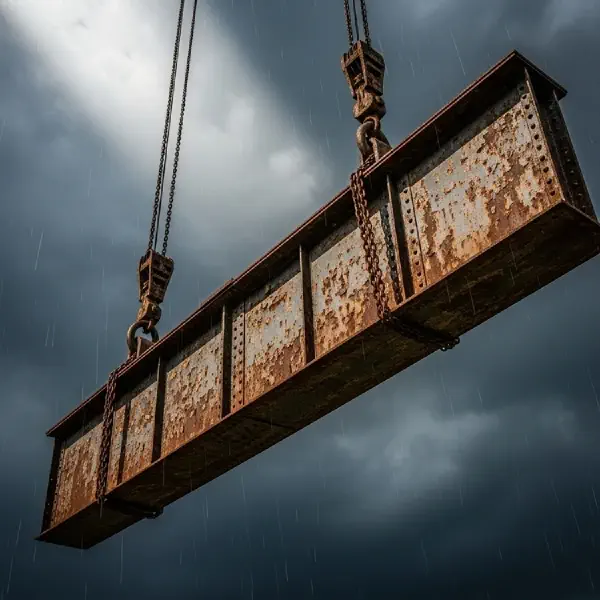
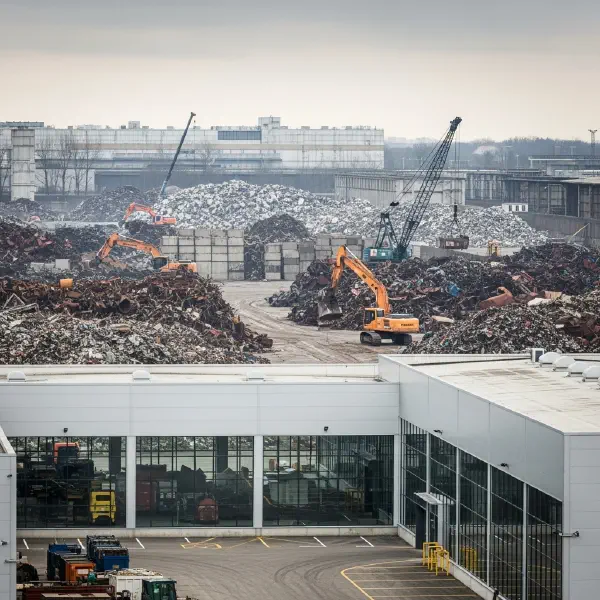
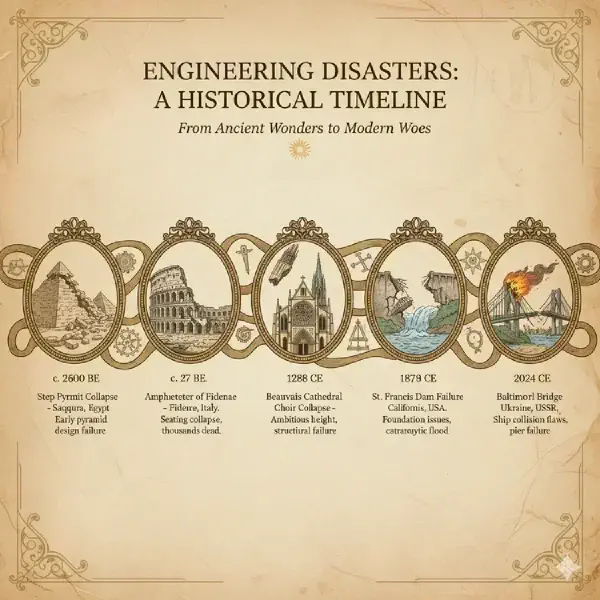
Good design is not enough. Systems fail because of the gap between how they were intended to work and how they actually perform under constraint, stress, and time. This category examines engineering decisions, failure forensics, and innovation dynamics: from structural collapses and logistical breakdowns to the hidden trade-offs embedded in every machine, infrastructure network, and technological system.


Series & Articles
#

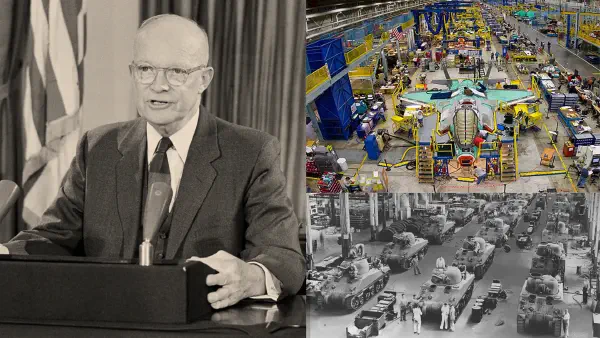
The Permanent Machine: Arms, Code, and the Architecture of Post-War Power

The military-industrial complex did not merely survive the Cold War. It metamorphosed into a global system of software dependencies, bilateral legal frameworks, and maintenance contracts that bind sovereign nations to exporters for decades after the last shot is fired.

Pressure & Protocol: The Anatomy of a Deep-Sea Disaster

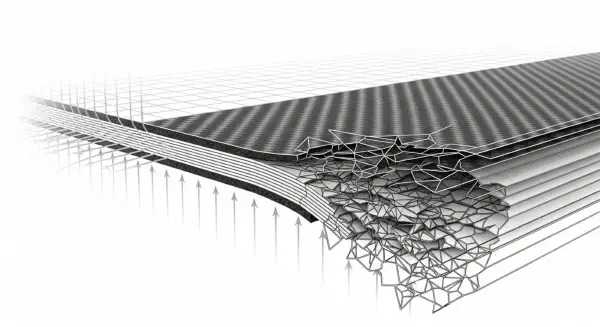
A three-part series examining the Titan submersible disaster through the lens of materials science, structural monitoring, and organizational failure — three interconnected analyses of a tragedy that was entirely preventable.

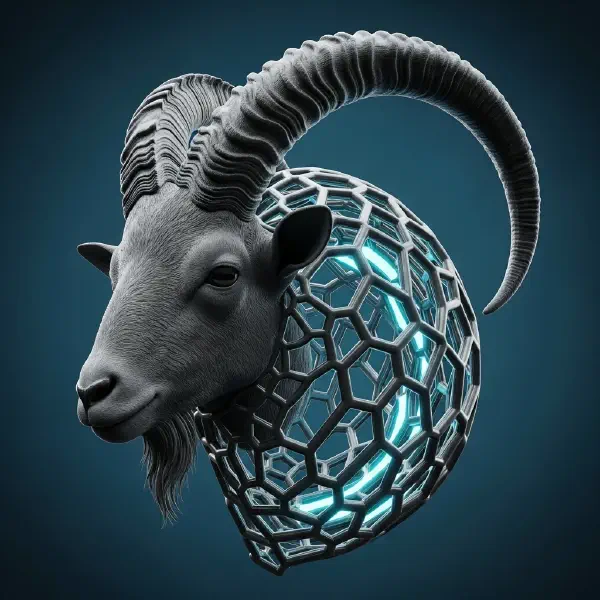
The Goat’s Skull and the Satellite: Engineering Infinite Resilience from Nature

An exploration of how Hannibal's unparalleled battlefield genius ultimately succumbed to Rome's systemic resilience, offering timeless lessons on the interplay between individual brilliance and institutional strength.

The Unbroken Code: Ancient Materials That Defy Time

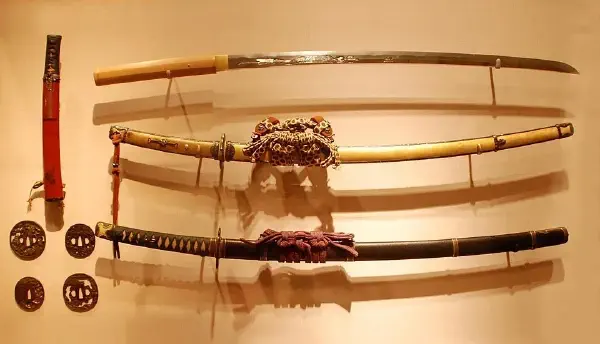
Exploring the remarkable ancient materials and chemical technologies that have endured for millennia, from self-healing Roman concrete to the mysterious Baghdad Battery, revealing secrets of durability and innovation.
The Fighter Jet and the State: A Tale of Two Systems

A critical analysis of how defense procurement decisions reveal deeper theories of state value, sovereignty, and economic welfare through the lens of two contrasting fighter jet programs.

The Design Engineering Journey: From Need to Realization

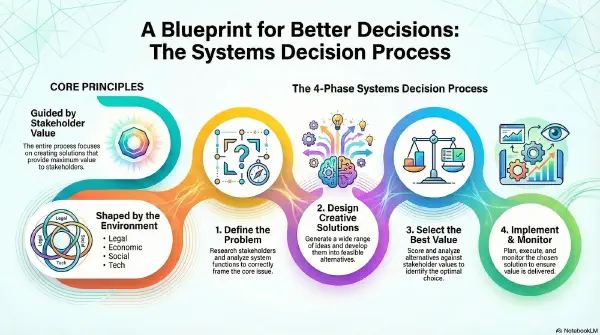
A comprehensive exploration of the engineering design process, from identifying needs through requirements gathering, concept selection, and digital realization, emphasizing ethical responsibility and sustainable innovation.
Harvesting the Elements: Pre-Industrial Energy & Extraction

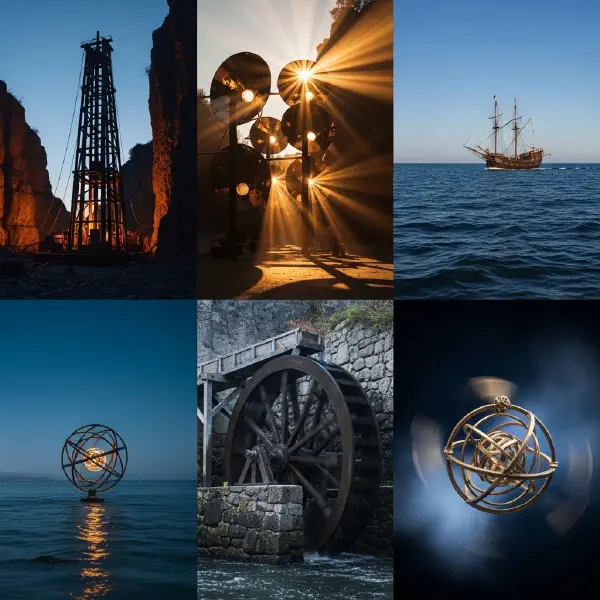
Exploring the remarkable energy and extraction technologies developed by ancient civilizations that harnessed natural forces long before the Industrial Revolution, from Chinese gas drilling to steam engines.

The Resource Curse: Why Oil Wealth Destroys Nations – And How One Country Escaped

Most oil-rich nations suffer economic decline, corruption, and political instability. Norway did the opposite. Here's the counterintuitive economics of why natural wealth usually destroys nations – and the specific policies that made Norway the exception.
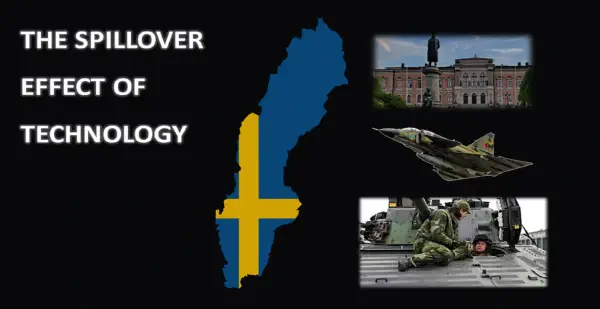
How a Fighter Jet Paid for Itself: The Hidden Economics of Military Spending

Military spending looks like a black hole for taxpayer money. But economic analysis of the Swedish Gripen jet reveals a counter-intuitive truth: the civilian spillovers were so valuable they paid for the entire program – and then some.

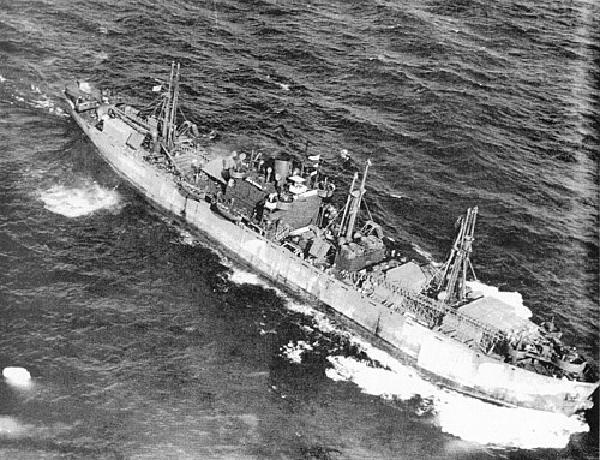
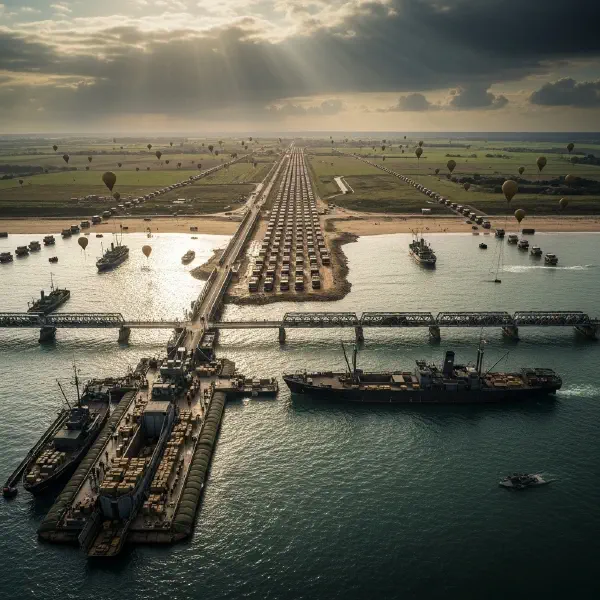
The Floating Lifeline: How Wartime Genius Built a Port on Water and Engineered D-Day Success

Discover how wartime engineers built floating ports, prefabricated bridges, and organized the greatest truck convoy in history to supply millions of troops during the D-Day invasion. The untold story of the engineering marvels that won World War II.

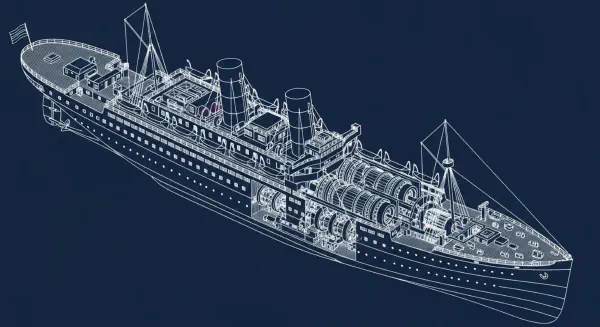
The Industrial Organism: Mechanics of the Early 20th-Century Steamship

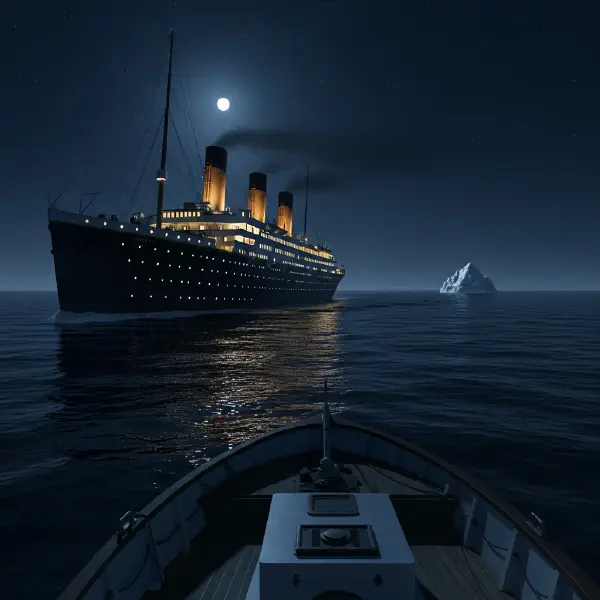
The early 20th-century steamship was a transitional industrial organism that achieved transoceanic scale by integrating high-density manual labor with a sophisticated 'closed-loop' thermodynamic system. Quantitative analysis reveals a critical dependence on thermal recycling, where steam volume expanded sixteen-hundredfold to drive quadruple-expansion engines before being condensed to prevent the catastrophic loss of fresh water. The structural mechanism of this integration was a steam-based nervous system that synchronized propulsion, navigation, and life support across a five-hundred-foot riveted steel hull. This analysis requires one post to synthesize the ship's mechanical and logistical unity.

Design Lessons from the World's Biggest Flops

Uncover the hidden reasons why great products fail—not from technical breakdowns, but from experience failures that frustrate users. Learn from Victor Lombardi's insights on turning flops into future successes through systematic learning, scientific testing, and customer-centric design.

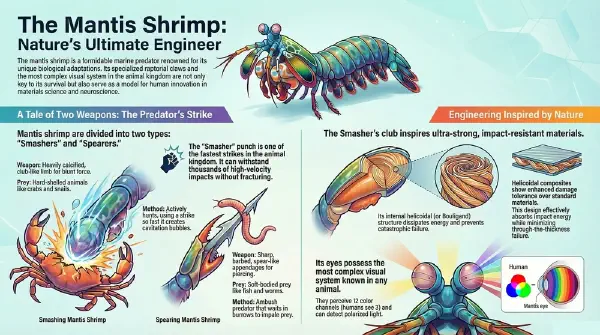
The Mantis Shrimp: Nature's Ultimate Engineer

The mantis shrimp is a masterpiece of evolution, featuring adaptations that inspire modern engineering. From its damage-tolerant clubs to its extraordinary visual system, this crustacean reveals nature's ultimate engineering prowess.