Colonial Economics

The Imperial Balance Sheet – Part 2: What the Ledgers Show — India

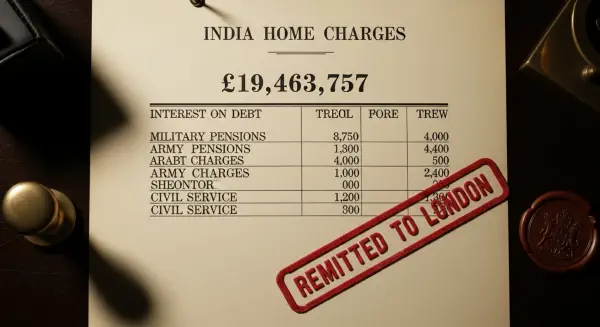
On February 19, 1906, a printed schedule was laid before the House of Commons. It listed, line by line, every payment India made to Britain in the financial year 1904–05: £19,463,757 in total. Interest on debt. Military pensions. Army effective charges. Store purchases. The document was not secret. It was published every year. It was the architecture of extraction, open to inspection, and largely uninspected.
The Imperial Balance Sheet

For most of the nineteenth century, British politicians debated whether empire paid. The question was never cleanly resolved. This series applies cost-benefit analysis to the imperial project — not as a moral verdict, but as a fiscal one. Who bore the costs? Who captured the gains? The ledgers have answers that the speeches avoided.

The Imperial Balance Sheet – Part 1: The Question Parliament Avoided

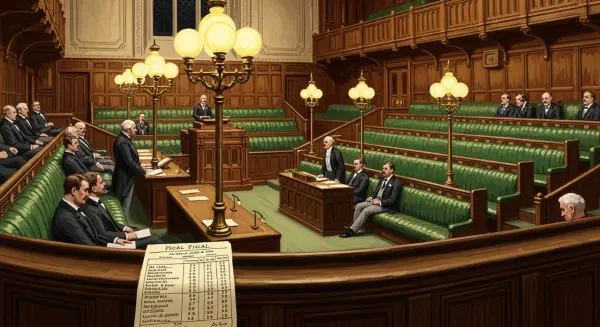
On the evening of June 12, 1879, Mr. Smollett rose in the House of Commons and read aloud a table that nobody wanted to hear. India's fiscal deficit over the previous seven years had reached £34.5 million. The empire, he argued, had been living beyond its income. The speeches that followed were long, brilliant, and ultimately inconsequential. This series begins where they left off.