The Debt Architecture – Part 1: The Double Bind
·1790 words·9 mins
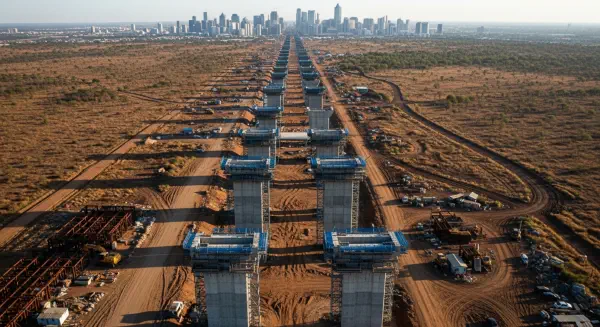
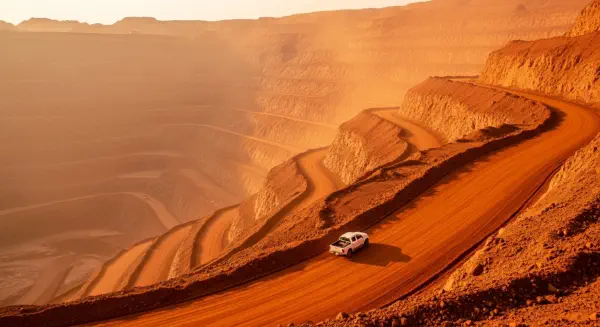
Zambia borrowed at 8.6% in US dollars to build infrastructure in a country whose primary export revenue comes from copper. In 2014, copper prices fell 45%. In 2022, the dollar strengthened 27%. By 2020, Zambia's debt service consumed 2.3 times its combined health and education spending. The trap was not corruption. It was arithmetic.