

Innovation

The Shock Doctrine of Progress: How Crisis Forges the Future
·218 words·2 mins
Exploring how systemic crises accelerate innovation and reshape societies through destruction and reconstruction.


The Spark of Ages - Part 3: The Creative Response to Catastrophe
·1194 words·6 mins
How crises and catastrophes force innovation and societal transformation.

The Spark of Ages - Part 1: The Four Engines of Human Progress
·1474 words·7 mins
Exploring the four biological engines that drive human progress: intellect, dexterity, language, and prolonged childhood.
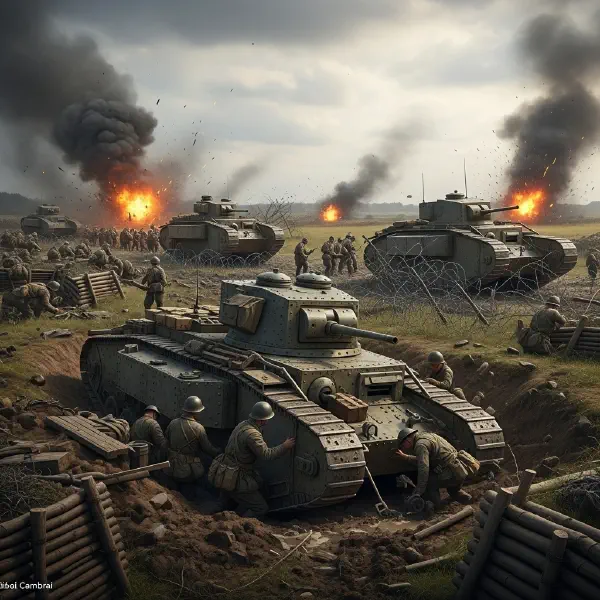
WWI Technology - Part 5: The Tank Paradox: Why the Wonder Weapon Almost Failed
·1614 words·8 mins
The tank was supposed to end the stalemate of trench warfare. Instead, it broke down constantly, got stuck in mud, and was nearly abandoned. How the most revolutionary weapon of WWI almost became history's most expensive failure.

WWI Technology - Part 4: The Hundred Days: How Britain Actually Won WWI
·1533 words·8 mins
Everyone knows WWI was a pointless stalemate that ended in exhausted armistice. Everyone is wrong. The Hundred Days Offensive was a stunning military achievement that broke the German Army—and nobody remembers it.
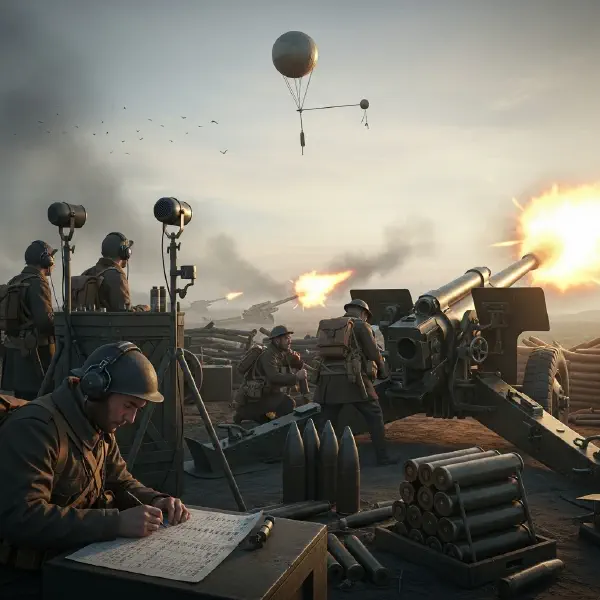
WWI Technology - Part 2: The Artillery Revolution: The Unglamorous Technology That Won the Trenches
·1756 words·9 mins
Tanks and aircraft captured the imagination, but artillery killed more soldiers than every other weapon combined. The revolution in gunnery—predicted fire, sound ranging, counter-battery work—was how the trenches were actually overcome.
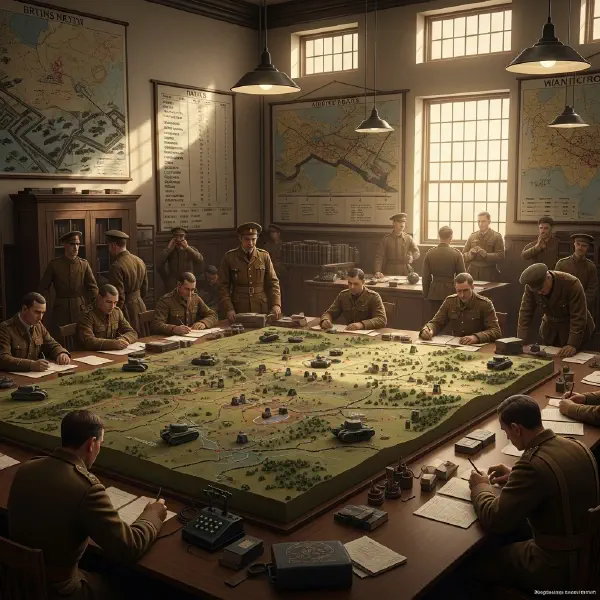
WWI Technology - Part 1: The 1918 System: How the British Army Became a Learning Organization
·1670 words·8 mins
Between 1916 and 1918, the British Army underwent one of history's most remarkable institutional transformations. How did a hidebound Victorian organization become a dynamic learning machine while fighting the deadliest war in history?

The Secret Life of Ordinary Objects - Part 4: From Quill to QWERTY: The Relentless March of Communication Innovation
·942 words·5 mins
The invisible network: how we conquered distance and time with codes, wires, and light.