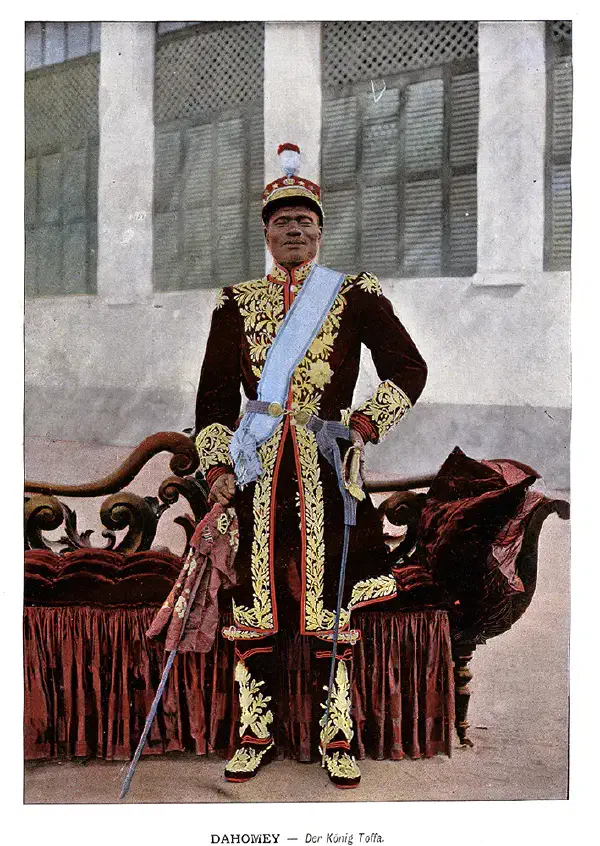
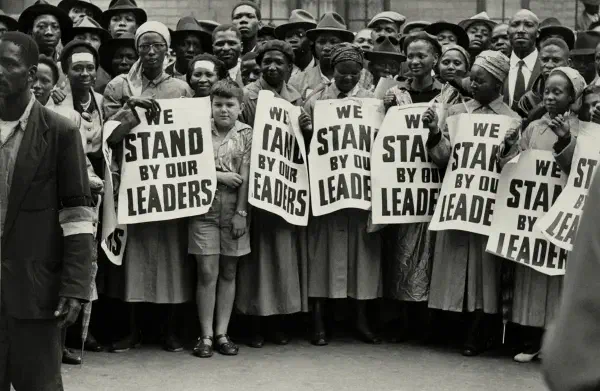
Indirect rule and bureaucratic extraction: how colonial regimes co-opted traditional elites, fabricated authority, and permanently severed the social contract.
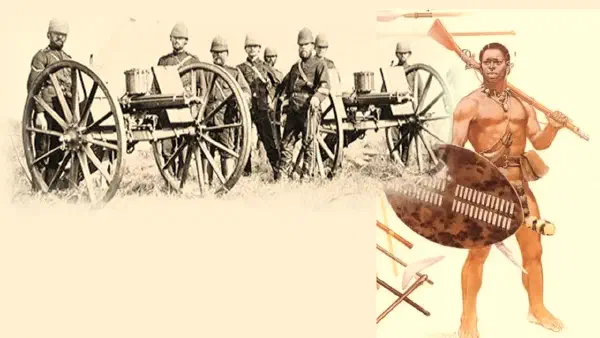
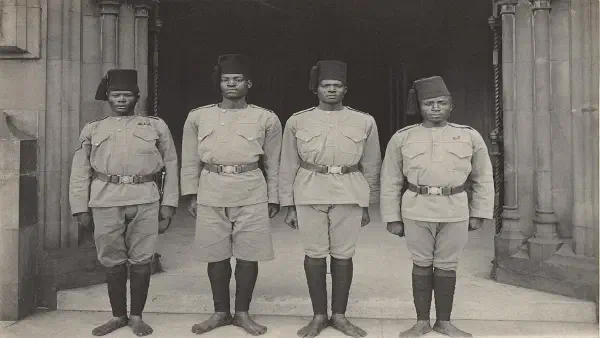
The military architecture of conquest: how European powers co-opted conquered African populations to provide the infantry and logistics needed for continental expansion.
Deconstructing the myth of treason: how pre-colonial political fragmentation and local rivalries drove African rulers to form strategic alliances with encroaching European powers.
A three-part narrative history of how European powers co-opted African military forces and administrative elites to conquer and rule the continent, analyzing the structural incentives and mechanisms of indirect rule.
Growth without development: how the global slump of 1929 exposed the vulnerability of African monocultures and the deliberate suppression of domestic industrialization.
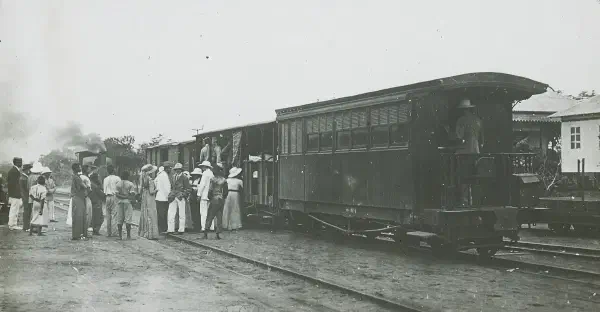
Infrastructure, monopolies, and finance: how railways designed for exports, European trading cartels, and banking monopolies systematically transferred African wealth to the metropole.
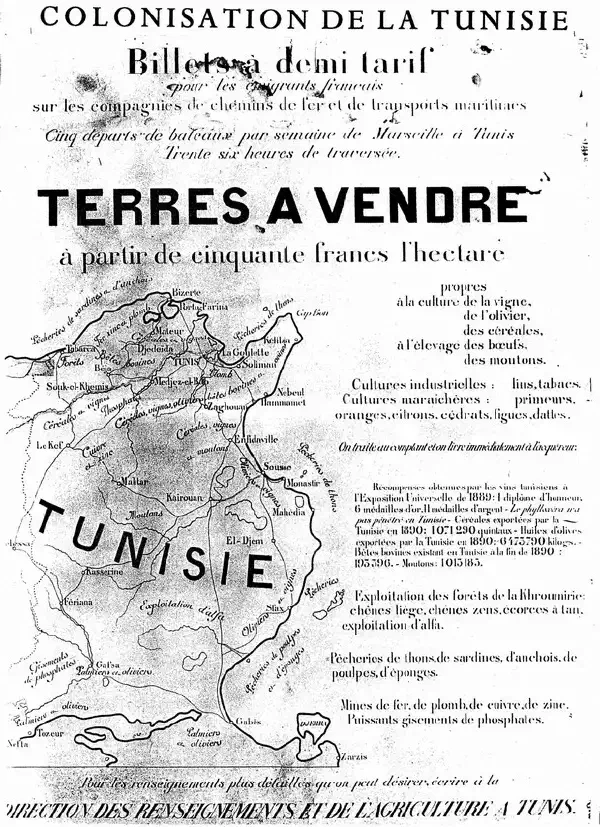
Two faces of agricultural exploitation in Africa: land alienation to subsidize a white settler class, and the structural manipulation of peasant cash-crop economies.
Coercion, taxation, and the labour dilemma in colonial Africa: how colonial administrations extracted labor from self-sufficient populations through forced work and direct taxes.
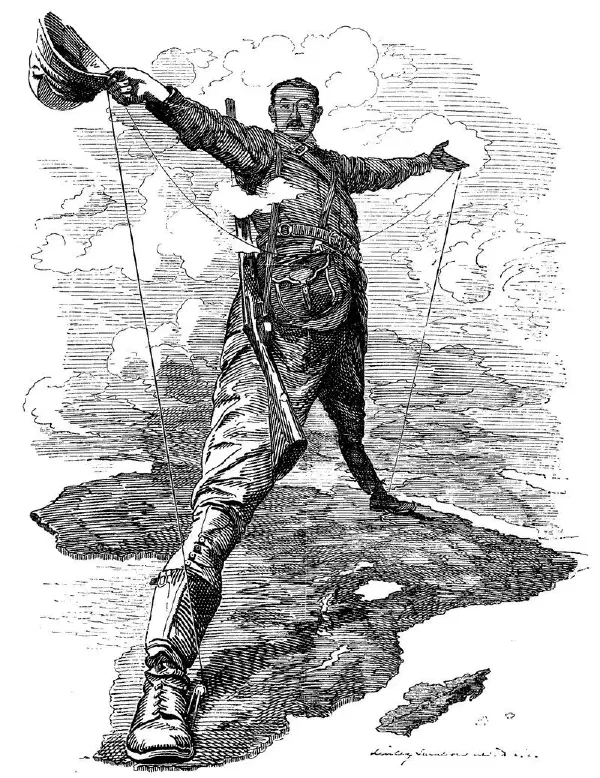
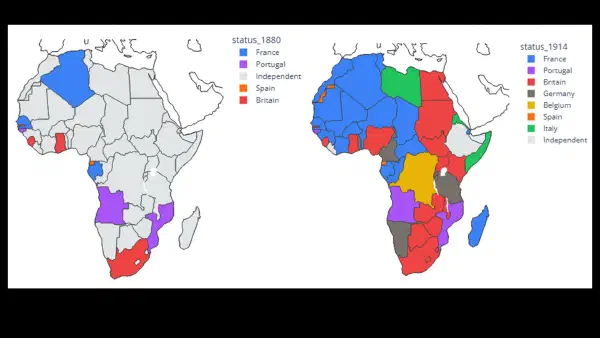
Capitalism, crisis, and the Scramble for Africa: how the transition to monopoly capitalism and commercial crises triggered the partition and military occupation of the continent.
A five-part narrative history of the economic conquest and exploitation of Africa, from the initial scramble and military pacification to the coercive labor systems, land alienation, and structural dependency that reshaped the continent.