

Disaster Analysis

The Shock Doctrine of Progress: How Crisis Forges the Future
·218 words·2 mins
Exploring how systemic crises accelerate innovation and reshape societies through destruction and reconstruction.

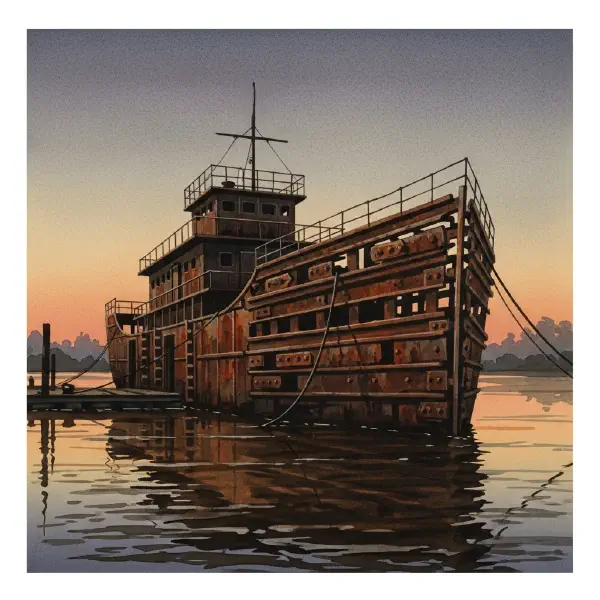
The Anchors of Hubris – Part 3: Iron Rails and Stationary Dreams
·614 words·3 mins
The story of the CSS Georgia, an ironclad built from railroad tracks that became a stationary relic.
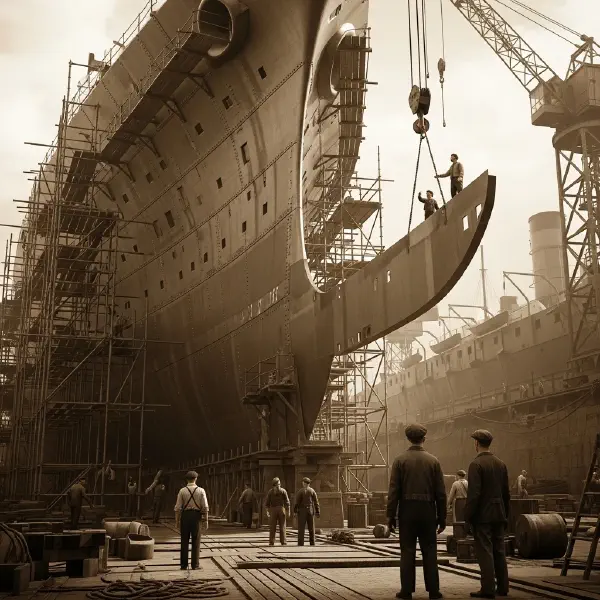
The Anchors of Hubris – Part 2: The Paper Fortress of the Adriatic
·605 words·3 mins
Examining the compromises in Austro-Hungarian battleship design that led to their vulnerability.

The Anchors of Hubris: Engineering Disasters on the High Seas
·174 words·1 min
Exploring three catastrophic naval engineering failures that highlight the dangers of hubris in technology and the human cost of prioritizing ambition over safety.
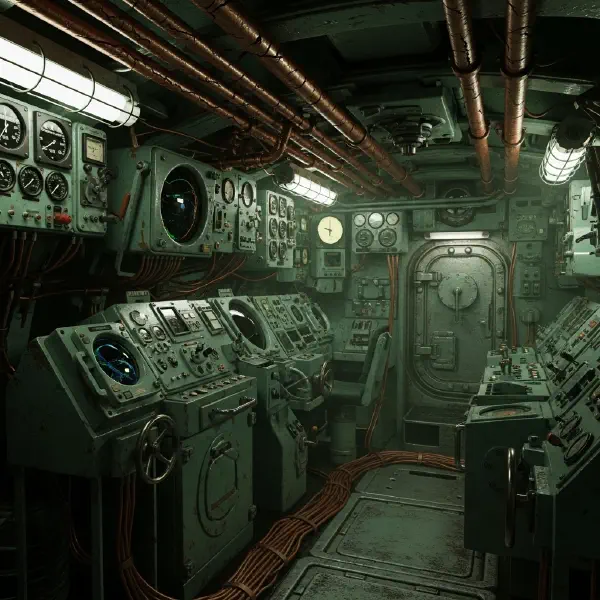
The Anchors of Hubris – Part 1: The Radioactive Shadow of Soviet Ambition
·690 words·4 mins
Exploring the engineering shortcuts in Soviet nuclear submarines that led to radiation disasters.
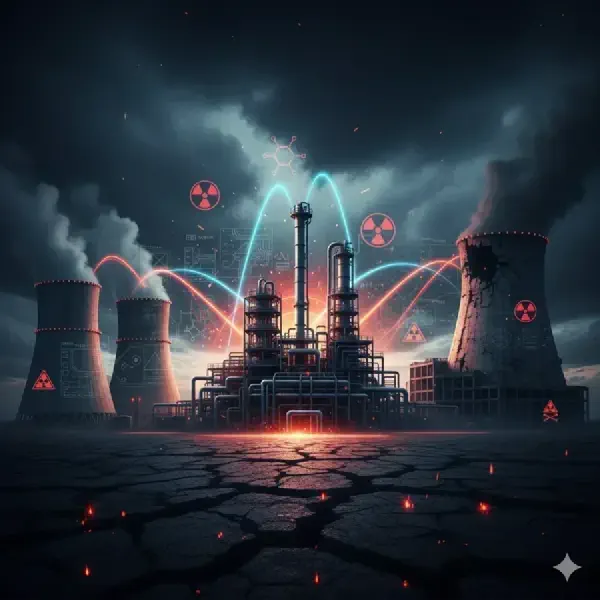
The Structural Post-Mortem - Part 10: 5 Counter-Intuitive Lessons from Three Legendary Engineering Disasters
·1053 words·5 mins
Chernobyl, Bhopal, and Three Mile Island weren't just nuclear or chemical failures—they were telling the same story we've been hearing since ancient Rome.
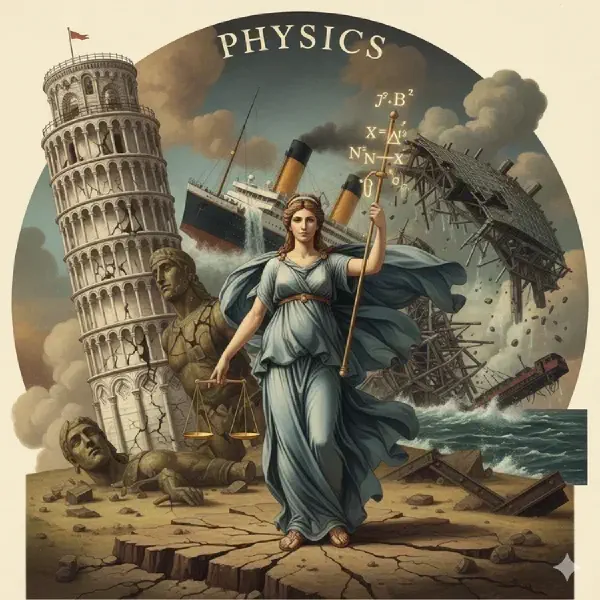
The Structural Post-Mortem - Part 9: Physics Always Wins: The Data Behind Engineering's Spectacular Failures
·609 words·3 mins
Sometimes, the simplest forces—like wind, heat, or inadequate foundations—are the ones that bring the biggest marvels crashing down.

The Structural Post-Mortem - Part 8: The London Fryscraper: When Architecture Became a Solar Death Ray
·668 words·4 mins
Solar physics data from the 2013 Walkie Talkie building reveal how curved glass facades can concentrate sunlight to 200°C, exposing the gap between computational modeling and real-world physics.