Historical Case Studies

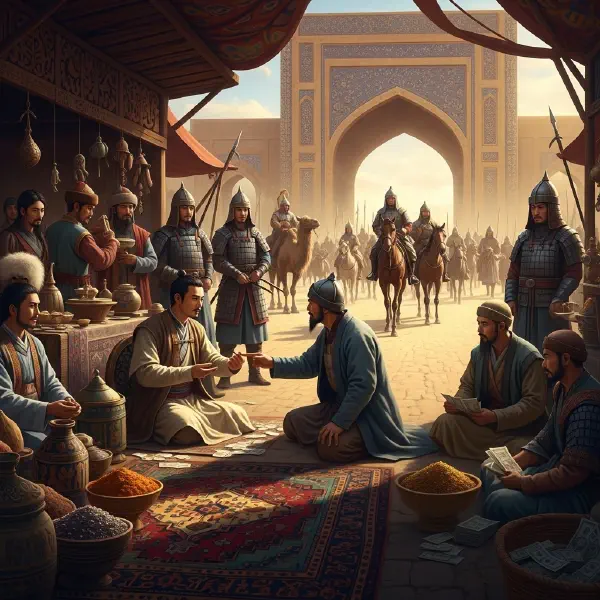
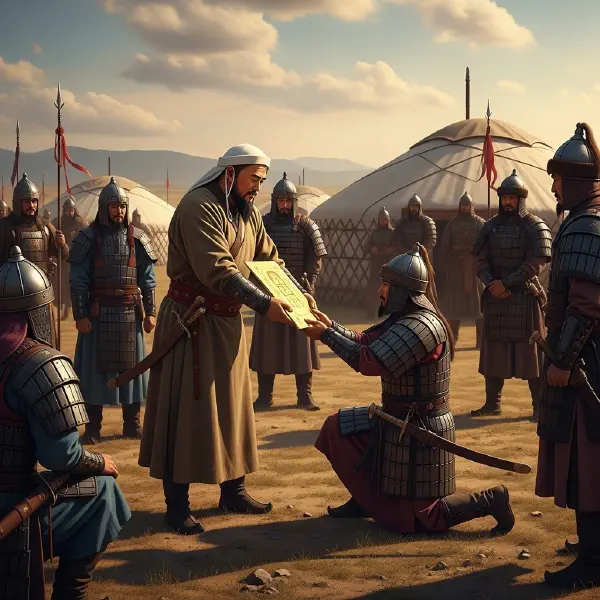
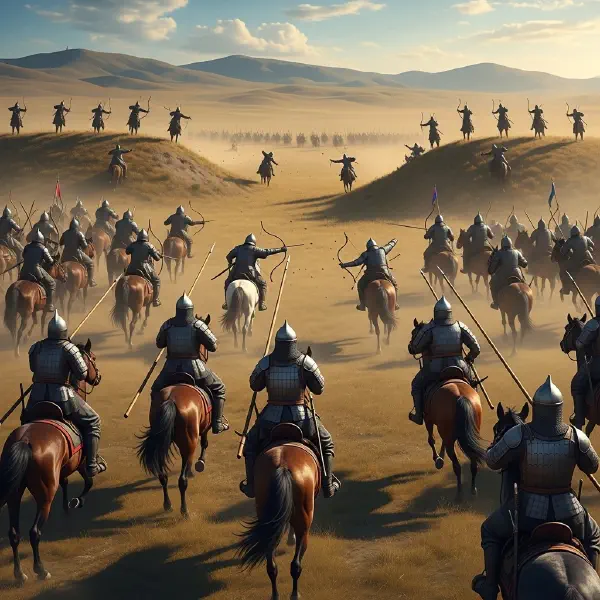
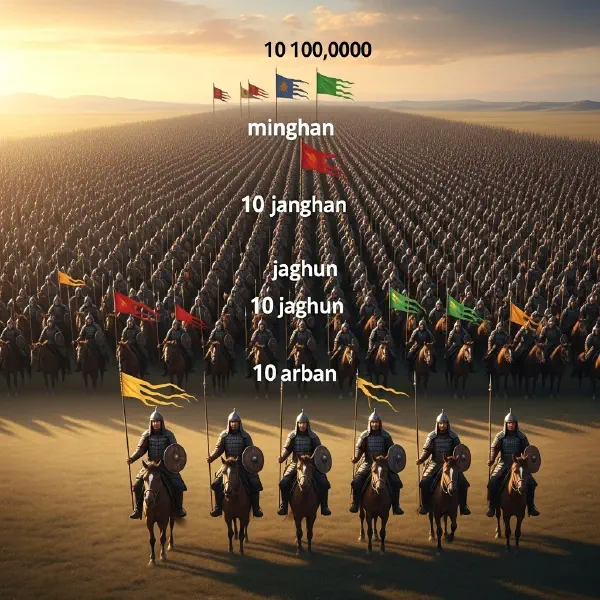
Mongol Empire - Part 4: Meritocracy of the Steppe: Promotion by Ability, Not Birth

In an age of hereditary aristocracy, the Mongols promoted blacksmiths' sons to supreme command. This radical meritocracy created the most effective military leadership in history – and offers lessons modern organizations still struggle to learn.

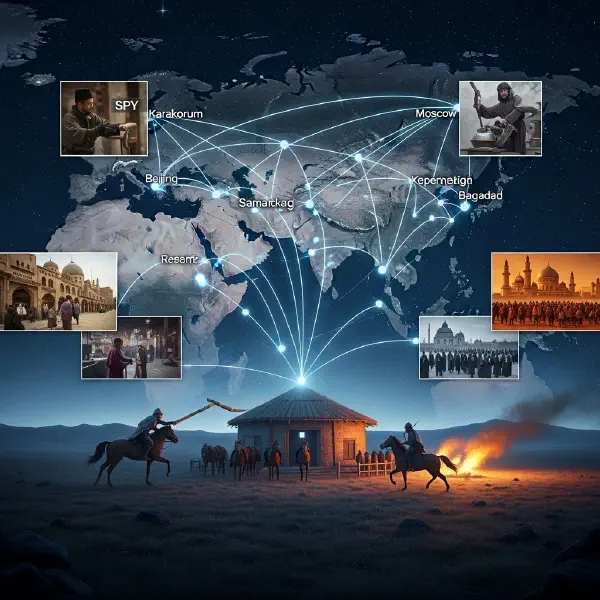
Mongol Empire - Part 3: Genghis Khan's Information Network: The Intelligence System That Conquered Empires

The Mongols built the ancient world's most sophisticated intelligence network – gathering information for years before attacks and communicating across thousands of miles. Here's how they did it, and why information supremacy was their decisive advantage.

The Soil Bank

Topsoil is civilisation's most critical non-renewable resource — taking 200 to 1,000 years to form per centimetre and eroding at 10 to 100 times that rate under industrial agriculture. The Soil Capital Depletion Rate quantifies how fast we are spending this inheritance, and why the arithmetic threatens food security on a timescale that planning institutions consistently ignore.

The Soil Bank – Part 3: The Underground Economy

Quantifies the biological economy of productive topsoil — one billion bacteria and 25,000 nematodes per teaspoon — and traces what industrial tillage systematically destroys in the soil infrastructure that agriculture depends on.