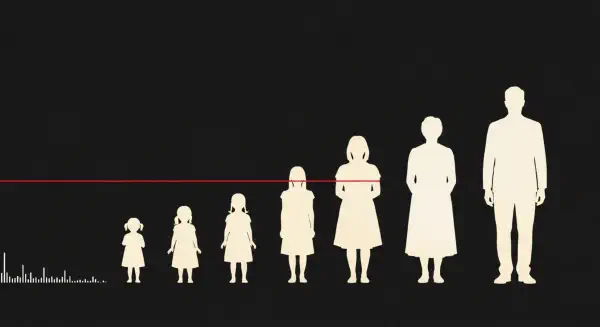
Rwanda killed 800,000 people in 100 days. Gaza has killed more than 75,000 in 2.5 years. The numbers are not the same — but the Casualty Rate metric reveals that the mechanism is. This post introduces the velocity of killing as the field's most urgent missing variable.
On January 5, 2025, the Lancet estimated that 75,200 people had been violently killed in Gaza since October 7, 2023. The UCDP ranked that conflict eighth in its 2024 deadliest table. Both numbers are correct. The problem is what they hide.
UCDP v25.1 covers armed conflict through 2024. Supplemented with verified data from 2025 and 2026, it tells a story the optimists of 2002 did not foresee: the S-curve has reversed, and the mechanisms they trusted have proven insufficient.
In 2002, the most comprehensive armed conflict dataset ever built said war was in decline. SIPRI agreed. The UN agreed. The evidence was genuinely compelling — which is what makes what came next so important to understand.
This three-part series examines how the United States turned democracy from a political principle into the moral packaging of imperial power. It traces the machinery beneath that language—institutions, law, finance, and force—and shows how these structures sustained hierarchy while preserving the image of universal order. It concludes by arguing that Trump did not create this contradiction, but exposed it by openly consuming the very myth America once sold to the world.