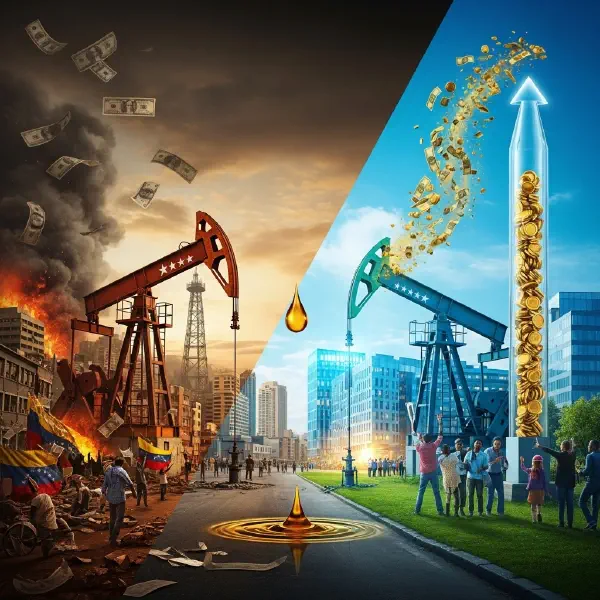
Most oil-rich nations suffer economic decline, corruption, and political instability. Norway did the opposite. Here's the counterintuitive economics of why natural wealth usually destroys nations – and the specific policies that made Norway the exception.
Every oil-rich nation faces the same dilemma: be friendly to attract investment, or be tough to capture value. Norway chose both – and became the world's most successful petrostate. Here's how they did it.
Military spending looks like a black hole for taxpayer money. But economic analysis of the Swedish Gripen jet reveals a counter-intuitive truth: the civilian spillovers were so valuable they paid for the entire program – and then some.
Examines how digital platforms follow a predictable three-stage decay lifecycle from user-centric value creation to shareholder extraction, using Google's internal DOJ memos as the primary evidentiary case.
A two-part forensic analysis of enshittification — the structural decay of digital platforms — tracing its mechanism, its institutional enablers, and the legal scaffolding that makes perpetual extraction possible.
Examines how digital platforms follow a predictable three-stage decay lifecycle from user-centric value creation to shareholder extraction, using Google's internal DOJ memos as the primary evidentiary case.
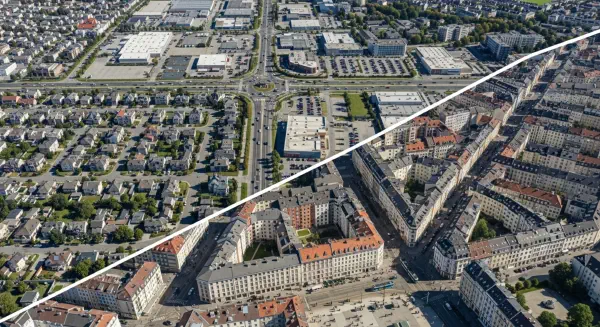
Most climate policy focuses on what we burn. The Density Dividend examines where we live — and demonstrates that the layout of cities generates carbon obligations that technology cannot easily fix. The Urban Carbon Leverage Factor reveals the structural carbon cost of urban form choices made decades before any car was manufactured or any power plant was built.