↓ Skip to main content

Policy and Critique

The Displacement Economy – Part 3: Statelessness as Inheritance

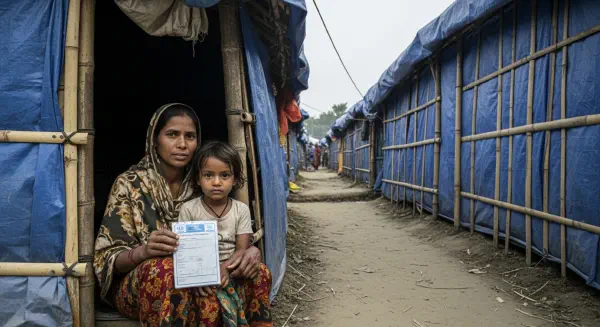
A child born in Cox's Bazar to Rohingya parents in 2018 is eight years old in 2026. She has never been a citizen of any country. She will not become one unless a political decision is made by a government that has already decided she does not exist. This is not an edge case. It is a category with at least ten million members.

The Displacement Economy – Part 2: The Host Country Burden Index

In 2024, Germany received more political credit for hosting Ukrainian refugees than any country in the world. Lebanon, which hosts a refugee population comprising more than 25% of its total population and has done so for over a decade, received a fraction of that attention. A single index reveals why the arithmetic of generosity is almost entirely wrong.

The Displacement Economy – Part 1: The 20-Year Exile

In 1992, UNHCR opened a camp in northern Kenya for Somali refugees fleeing civil war. It was designed as a temporary measure. In March 2026, it is still operating. The data on protracted displacement tells a story that the word 'temporary' was never equipped to describe.

The Scarcity Paradox – Part 3: The Geopolitical Mandate: Managing Supply Chains in a Decarbonized World

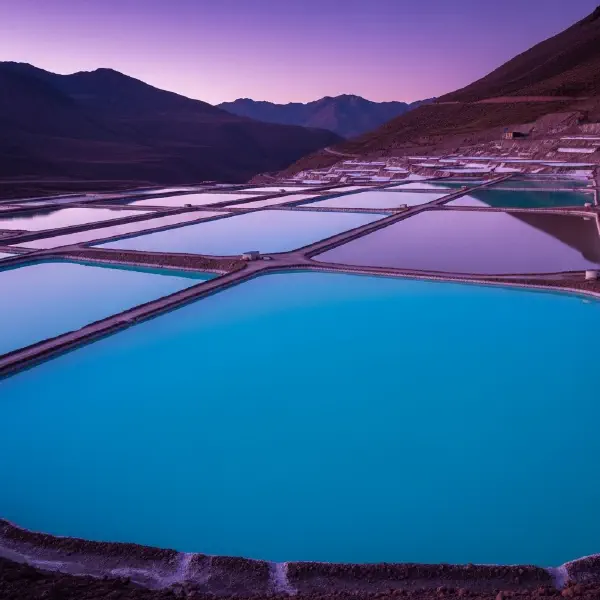
The geography of the periodic table is the new geography of power. In the 20th century, geopolitics was governed by the distribution of hydrocarbons; in the 21st, it is governed by the concentration of critical elements.