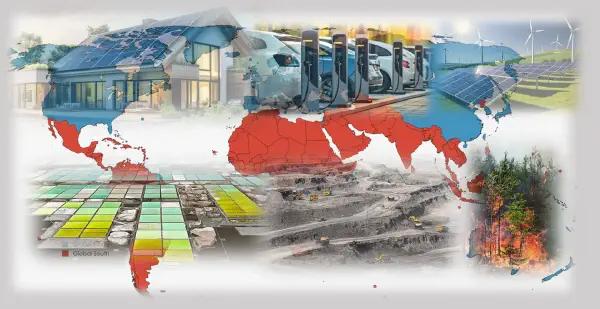
The global shift toward a post-carbon economy is functionally a new phase of imperialism, where the ecological costs of renewable energy are externalized onto the Global South. This analysis examines the historical parallels between fossil fuel extraction and the emerging mineral economy, revealing how the 'green transition' reproduces colonial dependencies while exacerbating environmental destruction. We explore the devastating material demands of technologies like electric vehicles and batteries, the weaponization of lithium and rare earth minerals in geopolitical conflicts, and the systematic silencing of indigenous and marginalized communities whose lands are sacrificed for the sake of planetary salvation.
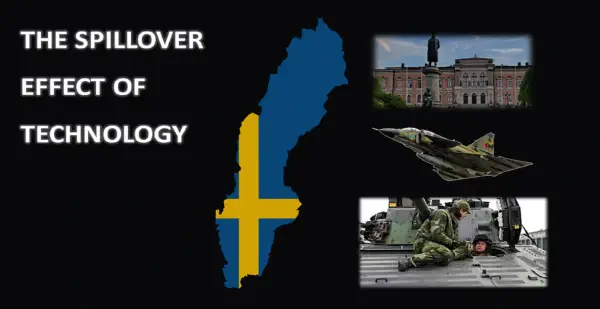
Why knowledge spillovers, not natural resources, determine which economies sustain durable prosperity, and what Sweden's industrial history reveals about the institutions that make the difference.
The military-industrial complex did not merely survive the Cold War. It metamorphosed into a global system of software dependencies, bilateral legal frameworks, and maintenance contracts that bind sovereign nations to exporters for decades after the last shot is fired.
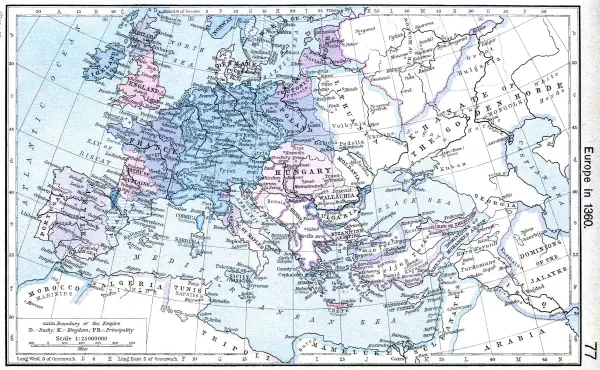
In 900 AD, western Europe was poorer, more violent, and more backward than China, India, or the Muslim Middle East. By 1914, Europeans controlled 84 percent of the world's land surface.