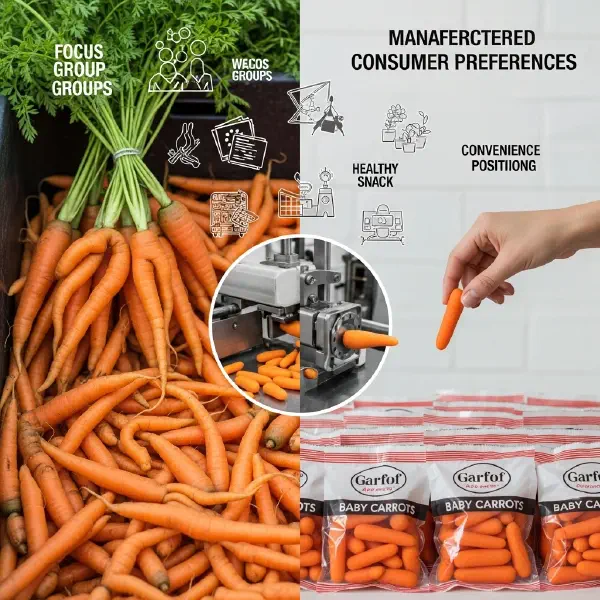
Economics assumes consumers know what they want. But the baby carrot industry created a want that didn't exist. Preferences aren't given—they're manufactured.
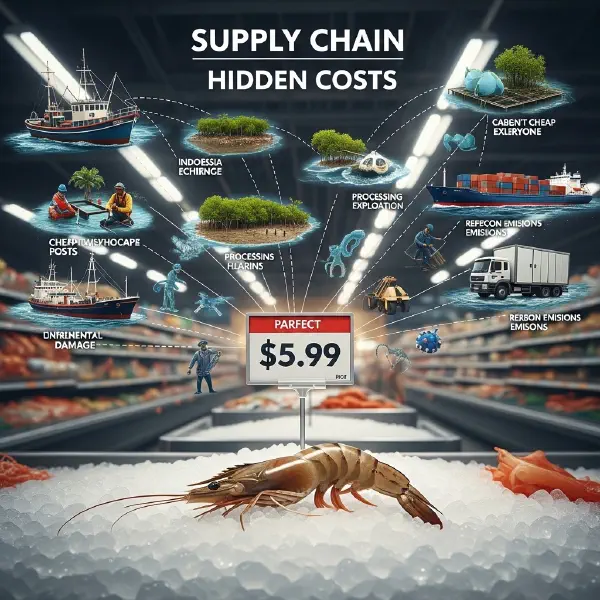
Cheap prawns in your grocery store hide a supply chain that spans continents, exploits workers, and destroys ecosystems. The price you pay doesn't include the real costs.
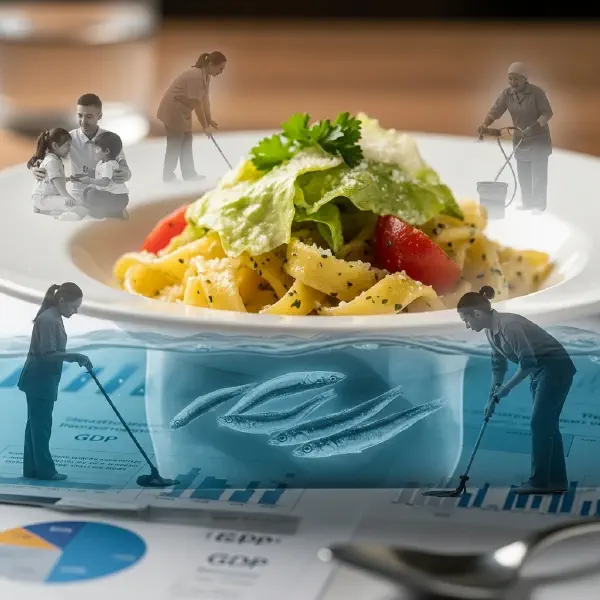
Anchovies in a dish add flavor you can't quite identify. Care work in the economy does the same—invisible, unquantified, but essential. What happens when we notice what we've been missing?
Economists love imagining Robinson Crusoe on an island with coconuts. But this thought experiment reveals more about economics' limitations than about how real economies work.
Okra traveled from Africa to America in slave ships. Its journey reveals how slavery and colonialism created economic structures that persist centuries later—and why some countries struggle to escape poverty.
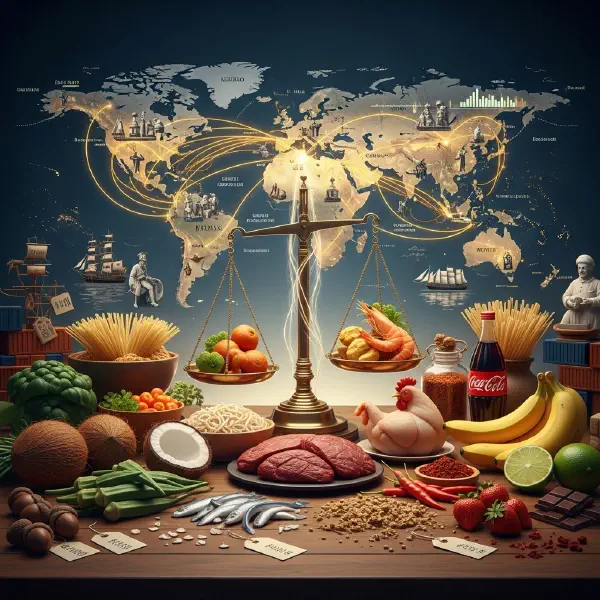
What your dinner plate reveals about markets, power, and the future of work. A series exploring how everyday foods expose the hidden forces shaping our economy—from the care economy to corporate power, from automation to trade wars.
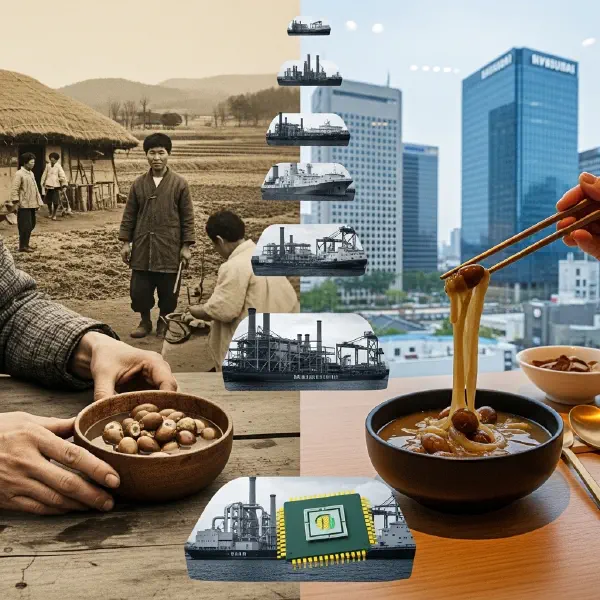
In the 1960s, Koreans ate acorns to survive. Today, South Korea is the world's 10th largest economy. The acorn's journey from famine food to nostalgic delicacy reveals how nations actually develop—and it's not the story economists usually tell.