The Swarm Imperative - Part 1: The Intelligence of the Swarm: Lessons from Ants, Brains, and the Internet29 May 2025·514 words·3 minsHistory and Critical Analysis Swarm Intelligence Ant Colonies Decentralized Networks Internet Resistance Systems Thinking Social Dynamics Policy and Critique Military and LogisticsExploring the principles of swarm intelligence and their application to human networks and resistance.
The Epomis Protocol - Part 4: From Bengal to Beyond: The Modern Legacy of Bait-and-Switch Imperialism28 May 2025·652 words·4 minsHistory and Critical Analysis Modern Imperialism Debt Trap Diplomacy Security Alliances Epomis Protocol Systems Thinking Military and Logistics Policy and Critique Social DynamicsExamining the modern metamorphoses of the Epomis Protocol in debt-trap diplomacy, security alliances, and economic reforms.
The Epomis Protocol - Part 3: The Mechanics of Entrapment: Debt, Dependence, and the Doctrine of Lapse27 May 2025·625 words·3 minsHistory and Critical Analysis Doctrine of Lapse Debt Trap British India Annexation Systems Thinking Military and Logistics Policy and Critique Social DynamicsExploring the debt spiral and Doctrine of Lapse as mechanisms for completing the Epomis Protocol in British India.
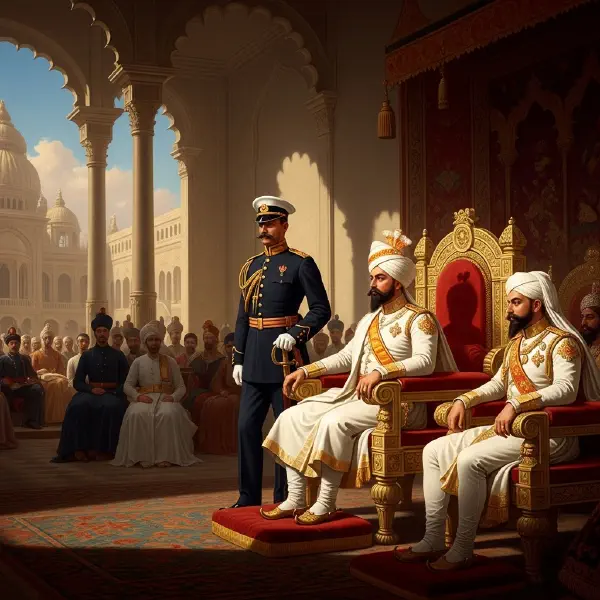
The Epomis Protocol - Part 2: The Subsidiary Alliances: Britain's "Protection" Racket in India26 May 2025·591 words·3 minsHistory and Critical Analysis Subsidiary Alliances British India Entrapment Imperialism Systems Thinking Military and Logistics Policy and Critique Social DynamicsExamining the British Subsidiary Alliances in India as a perfected form of the Epomis Protocol for imperial entrapment.
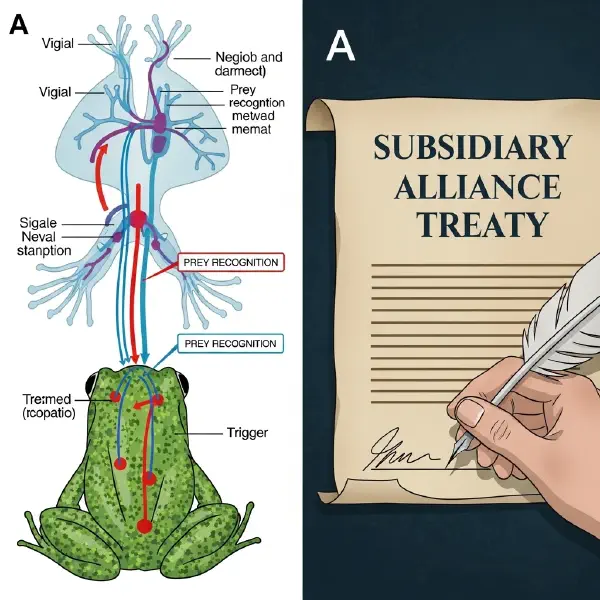
The Epomis Protocol: Deceptive Entrapment and Aggression Baiting25 May 2025·322 words·2 minsHistory and Critical Analysis Epomis Protocol Subsidiary Alliances British India Imperialism Entrapment Systems Thinking Military and Logistics Policy and Critique Social DynamicsA deep dive into the Epomis beetle's strategy of baiting predators into traps as a model for imperial entrapment, examining the British Subsidiary Alliances in India.
The Epomis Protocol - Part 1: The Predator's Trap: How the Epomis Beetle Turns Attack into Capture25 May 2025·795 words·4 minsHistory and Critical Analysis Epomis Beetle Entrapment Biological Analogies Imperialism Systems Thinking Military and Logistics Policy and Critique Social DynamicsExploring the Epomis beetle's strategy of baiting predators into traps as a biological model for imperial entrapment.
The Glyptapanteles Gambit - Part 4: The Guardian's Legacy: Fragmented Terrains and the Modern Mercenary Playbook16 May 2025·732 words·4 minsHistory and Critical Analysis Modern Warfare Mercenaries Cold-War Geopolitics Systems Thinking Military and Logistics Policy and Critique Social DynamicsExploring the lasting impact of proxy strategies from Kongo to modern conflicts and privatized warfare.
The Glyptapanteles Gambit - Part 3: The Feedback Loop of Blood: How Proxy Warfare Consumed Its Own Host15 May 2025·631 words·3 minsHistory and Critical Analysis Proxy Warfare Feedback Loops Sovereignty Warlords Systems Thinking Military and Logistics Policy and Critique Social DynamicsAnalyzing how proxy warfare in Kongo created self-destructive feedback loops that eroded sovereignty and resources.
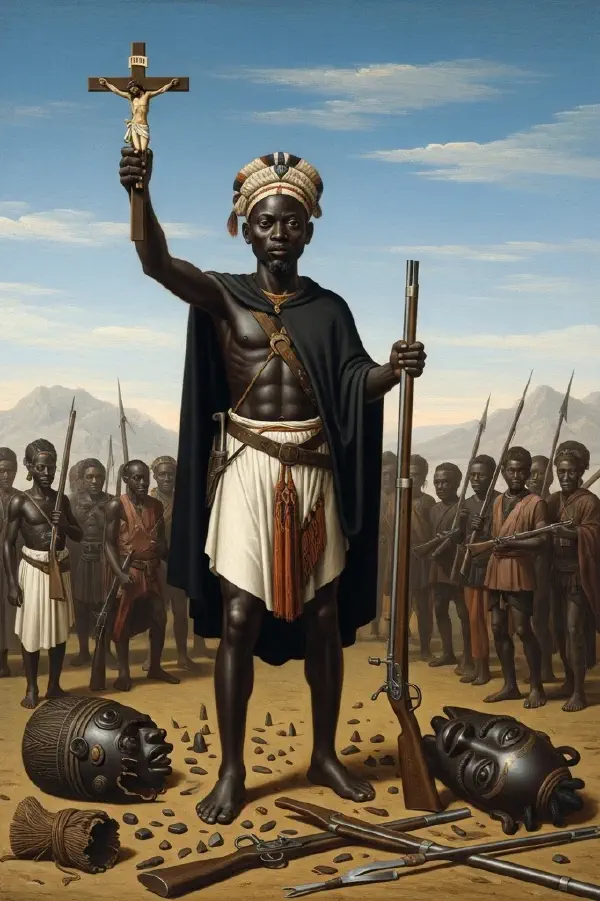
The Glyptapanteles Gambit - Part 2: The Kongo Conversion: Portuguese Muskets, Christian Rivals, and the Market for Loyalty14 May 2025·803 words·4 minsHistory and Critical Analysis Colonialism Africa Slave Trade Portuguese Empire Systems Thinking Military and Logistics Policy and Critique Social DynamicsExamining how Portuguese muskets and Christianity created dependent factions in the Kingdom of Kongo that defended the slave trade.
The Glyptapanteles Gambit: Proxy Armies and Client States13 May 2025·424 words·2 minsHistory and Critical Analysis Parasitism Geopolitics Proxy Warfare History Colonialism Systems Thinking Military and Logistics Policy and Critique Social DynamicsA historical exploration of how parasitic mechanisms in biology mirror geopolitical strategies of proxy armies and client states.