The open-plan office is often presented as the embodiment of modern organizational virtues, promising collaboration, creativity, and egalitarianism. This design, however, frequently delivers the opposite results, cultivating distraction, anxiety, and a debilitating pressure to appear productive. The shift away from ...
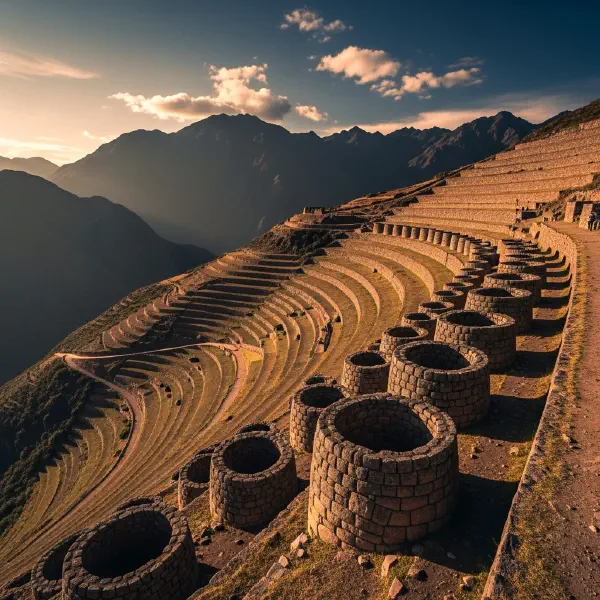
The Inca qullqa system of state-run storage facilities created a sophisticated supply chain that sustained millions across the Andean empire's challenging terrain.
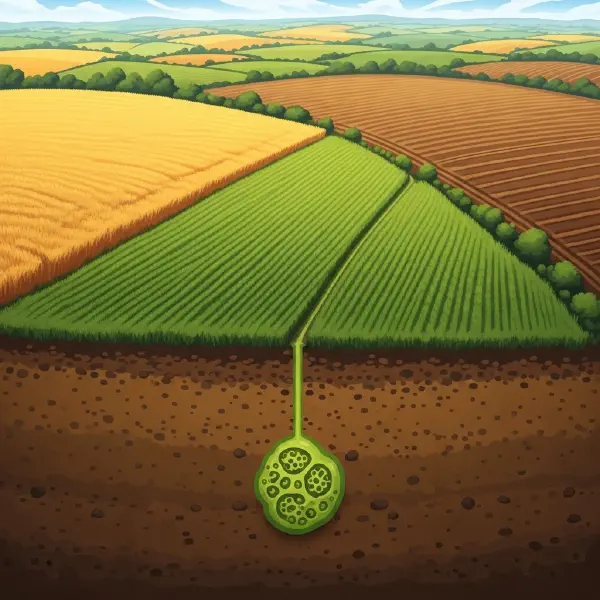
The three-field crop rotation system revolutionized medieval farming by maximizing land productivity while maintaining soil fertility through nitrogen-fixing legumes.
Exploring the agricultural innovations and systems that transformed societies from subsistence farming to empire-building, from medieval plows to Inca storage networks.
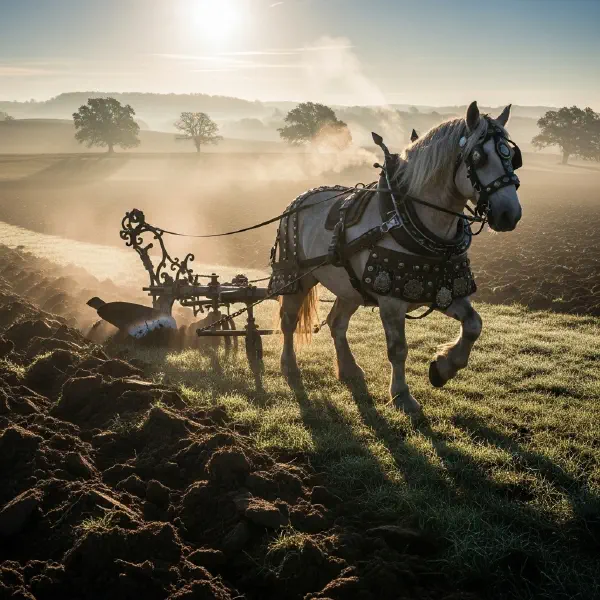
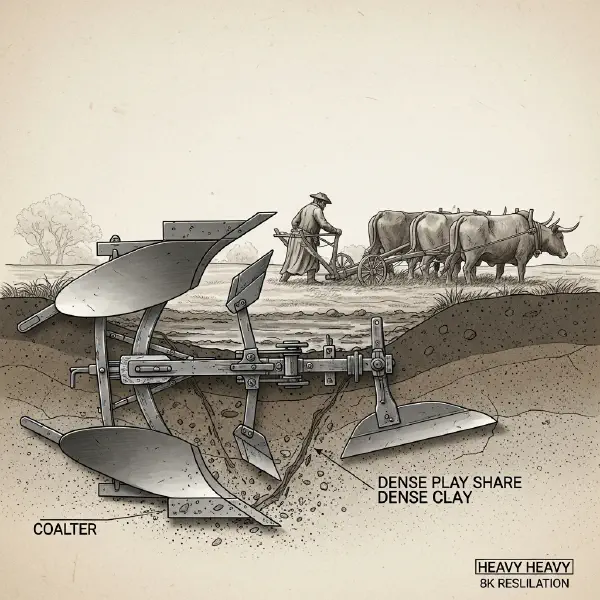
The heavy plow and padded horse collar revolutionized medieval European agriculture, unlocking the potential of northern Europe's dense clay soils and enabling surplus production that built complex societies.
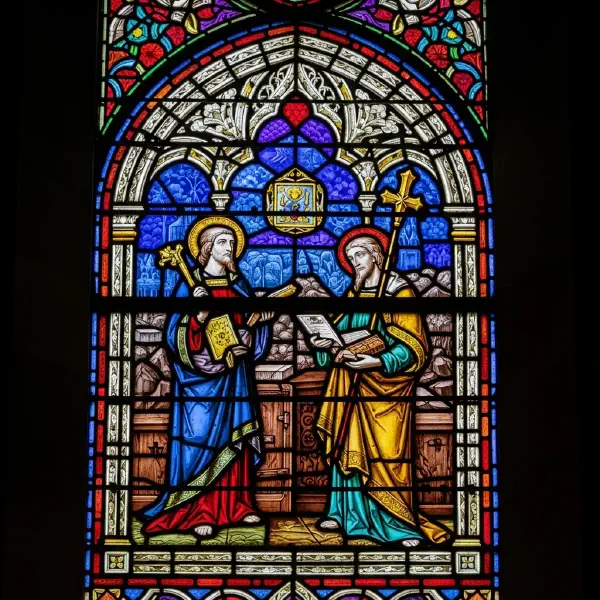
Stained glass combined chemical engineering with narrative art, creating permanent jewel-toned windows that served as visual sermons for medieval congregations.
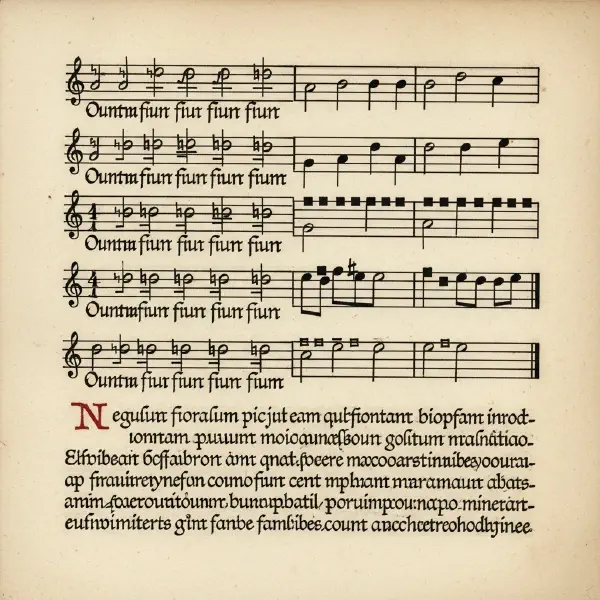
Musical notation transformed ephemeral sound into standardized written form, enabling accurate reproduction and creating a unified European musical tradition.
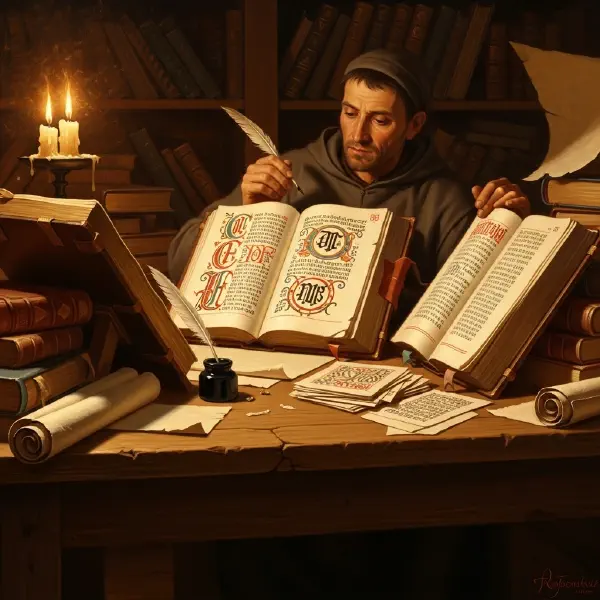
The codex revolutionized information management by enabling rapid reference and cross-comparison, transforming monastic scriptoria into efficient data centers for preserving knowledge.