Exploring the agricultural innovations and systems that transformed societies from subsistence farming to empire-building, from medieval plows to Inca storage networks.
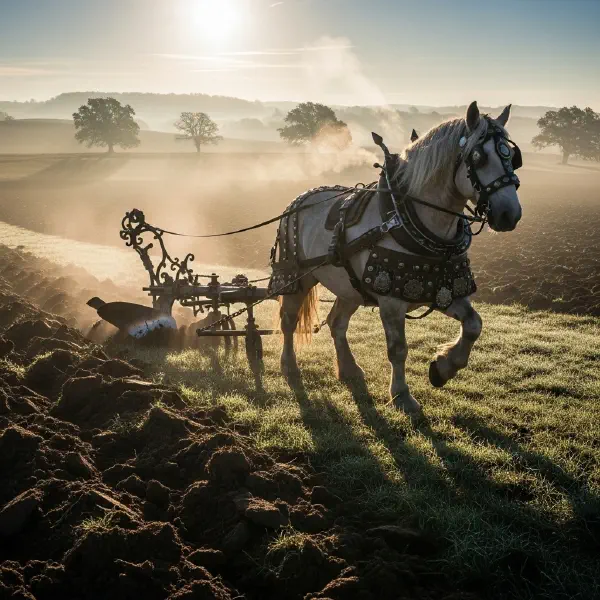
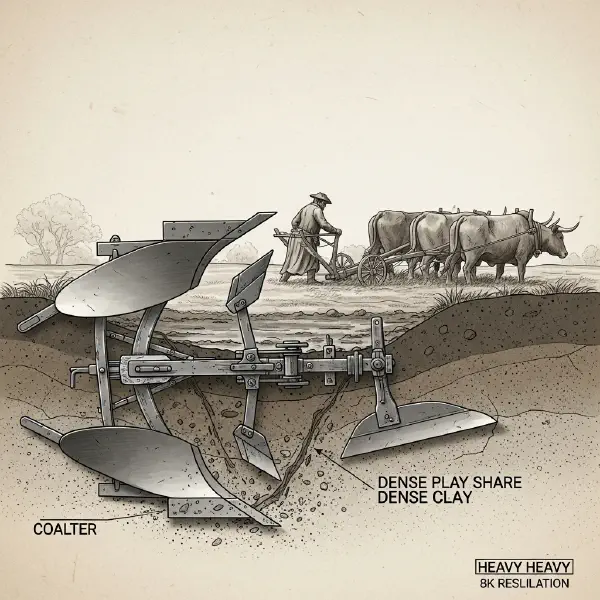
The heavy plow and padded horse collar revolutionized medieval European agriculture, unlocking the potential of northern Europe's dense clay soils and enabling surplus production that built complex societies.
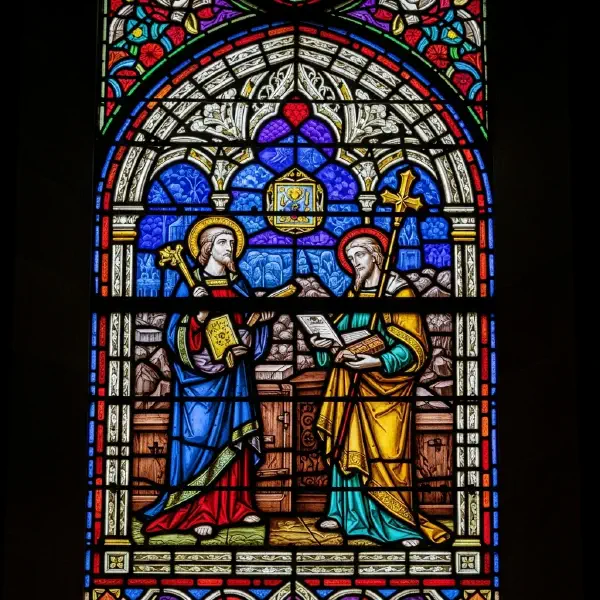
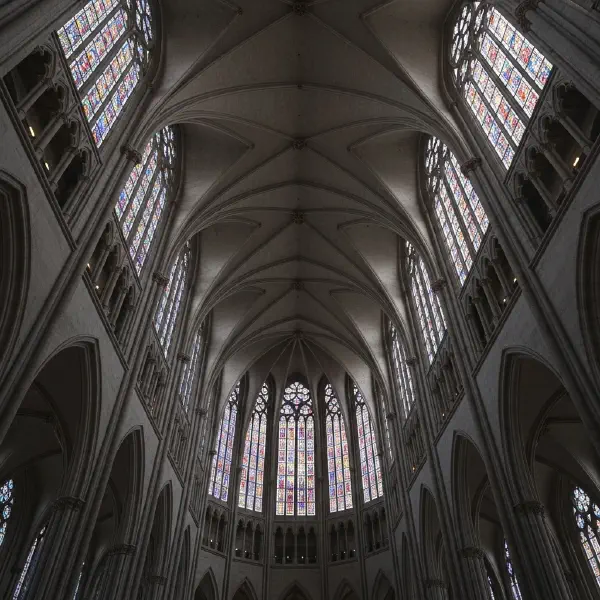
Stained glass combined chemical engineering with narrative art, creating permanent jewel-toned windows that served as visual sermons for medieval congregations.
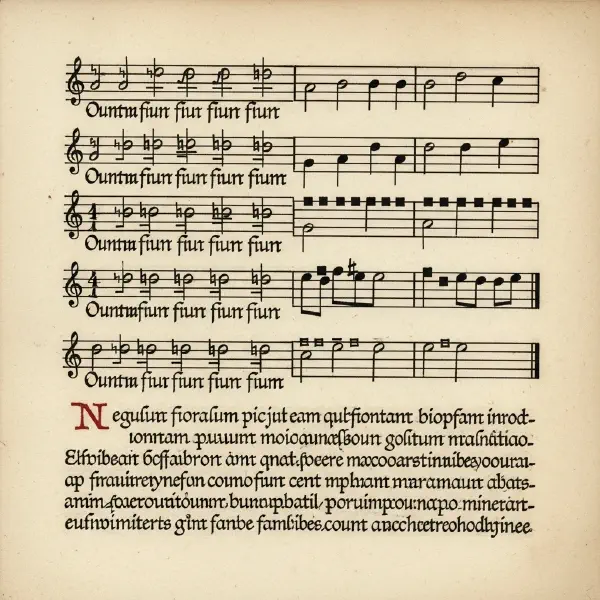
Musical notation transformed ephemeral sound into standardized written form, enabling accurate reproduction and creating a unified European musical tradition.
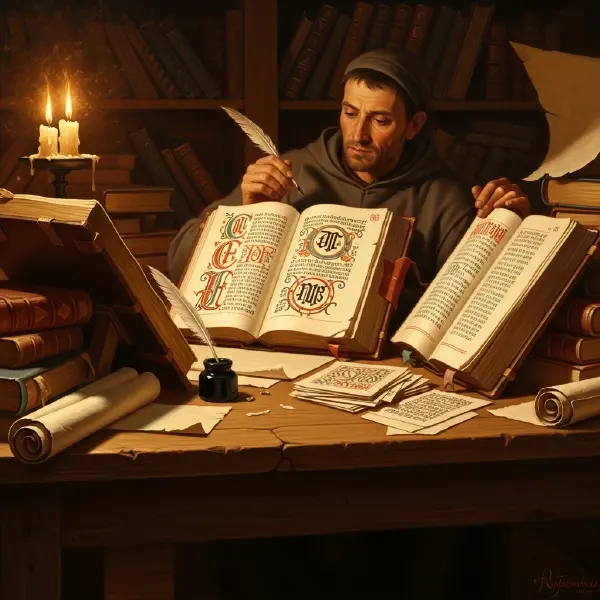
The codex revolutionized information management by enabling rapid reference and cross-comparison, transforming monastic scriptoria into efficient data centers for preserving knowledge.
The tread wheel crane harnessed human power through gear ratios, enabling small crews to lift massive stones and revolutionize cathedral construction logistics.
Exploring the engineering innovations that transformed medieval architecture, from rib vaults to stained glass, revealing how structural ingenuity built Europe's cathedrals.
The rib vault revolutionized Gothic architecture by channeling roof loads precisely, enabling soaring heights and expansive stained glass windows that transformed cathedral interiors.
Examining how the formal end of empire left intact its underlying financial, legal, and cultural frameworks that continue to shape global inequalities today.