Systems Thinking

The Geoengineering Ledger – Part 4: The Governance Gap

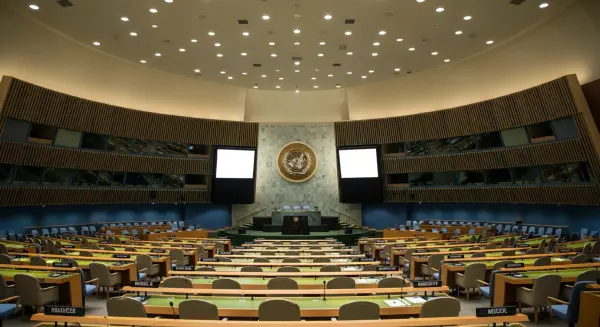
Surveys the complete absence of international governance for climate geoengineering: no treaty, no authorising institution, no compensation framework — despite the US National Academies recommending a research programme in 2021.

The Geoengineering Ledger – Part 3: Whose Monsoon Is It?

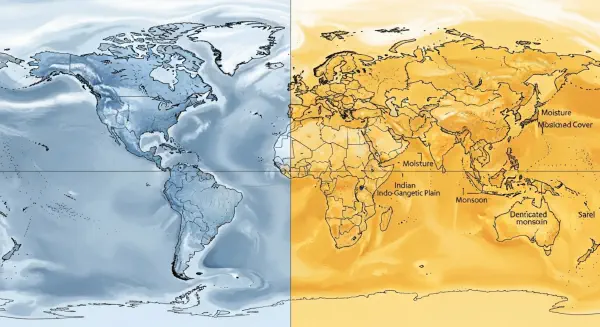
Documents modelling evidence that northern-hemisphere SAI reduces African and Asian monsoon rainfall by 5–10%, affecting the food security of 2.4 billion people in countries that are not among those most likely to initiate deployment.

The Geoengineering Ledger – Part 2: The Moral Hazard Machine

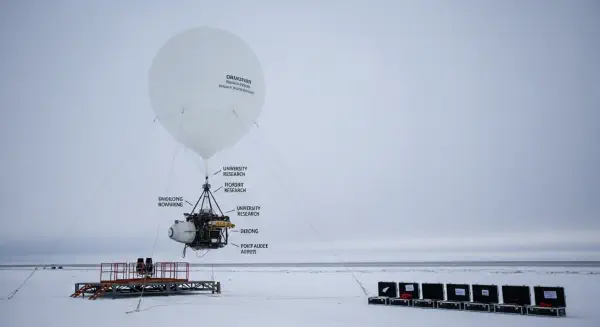
Examines the SCoPEx cancellation and the Saami Council objection as a case study in the governance vacuum, demonstrating that no existing institution has the authority to authorise, regulate, or compensate for the effects of deliberate climate intervention.

The Geoengineering Ledger – Part 1: The Emergency Lever

Uses the 1991 Pinatubo eruption as a natural analogue to introduce stratospheric aerosol injection, establishing the Intervention Leverage Index and the asymmetry between its cooling capacity and its governance requirements.

The Measurement Apparatus – Part 4: Designing for Real-World Performance

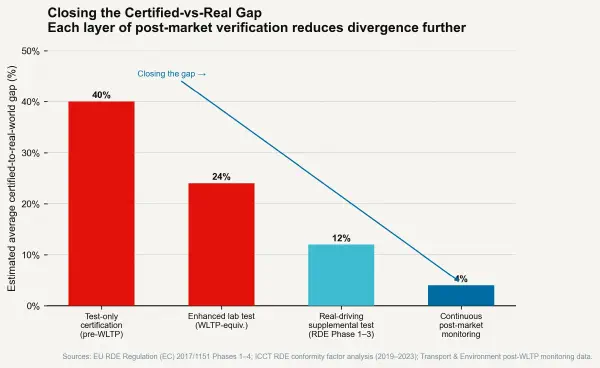
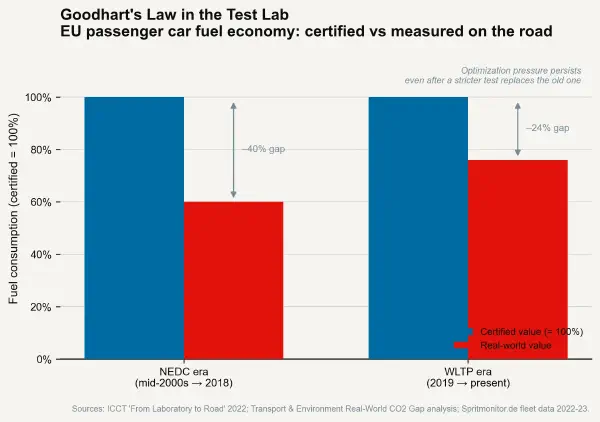
Examines closed-loop certification, post-market surveillance, real-driving emissions regulations, and outcome-based contracting as the structural fixes for MPDI — and what separates regulators that apply them from those that don't.

The Measurement Apparatus – Part 2: The Test Cycle as Fiction

Documents systematic real-world performance gaps in automotive WLTP, energy performance labels, nutritional content measurement, and academic research metrics — all exhibiting MPDI that the measurement apparatus cannot close.